A cluttered desk doesn’t just look messy – it directly impacts how you think, focus, and work. Whether you’re in a corporate office or working from home, an organised desk is essential for improving efficiency, reducing stress, and maintaining consistent productivity.
With more professionals searching for desk organisation ideas, workspace organisation solutions, and office desk accessories in Australia, creating a structured and functional workspace has become a key driver of performance.
Why Desk Organisation Matters More Than Ever
An unorganised workspace creates unnecessary distractions and slows down workflow. Studies show that clutter can reduce focus, increase stress, and waste valuable time searching for items.
On the other hand, a well-organised desk helps:
- Improve time management and efficiency
- Reduce visual distractions and mental fatigue
- Create a more professional and productive environment
- Support better daily work habits
Businesses and remote workers alike are increasingly investing in workspace organisation systems and office desk accessories to improve performance.
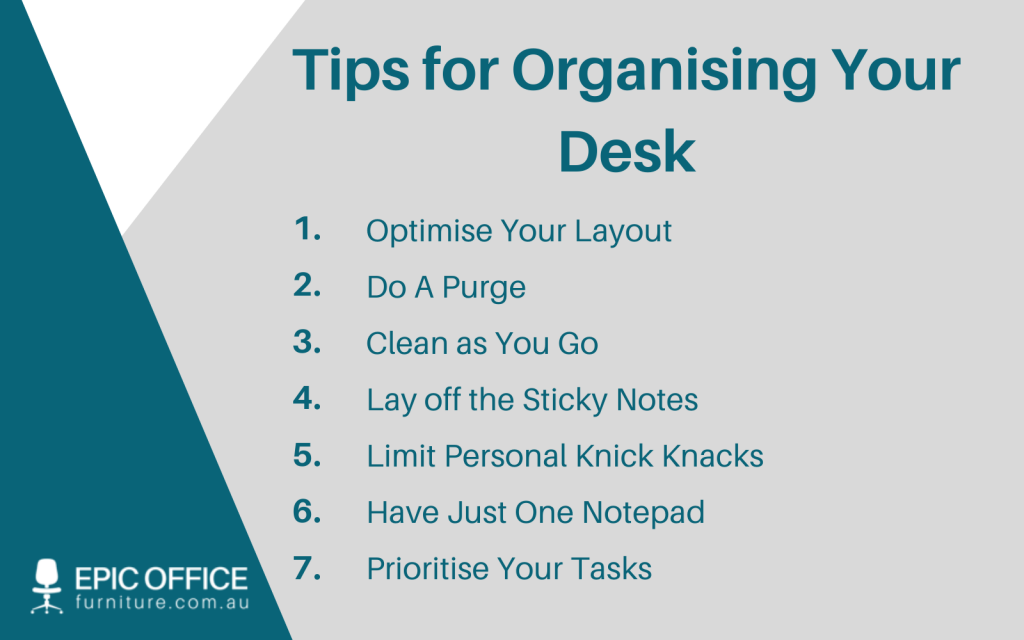
1. Optimise Your Desk Layout for Efficiency
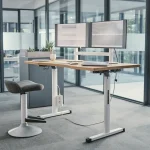
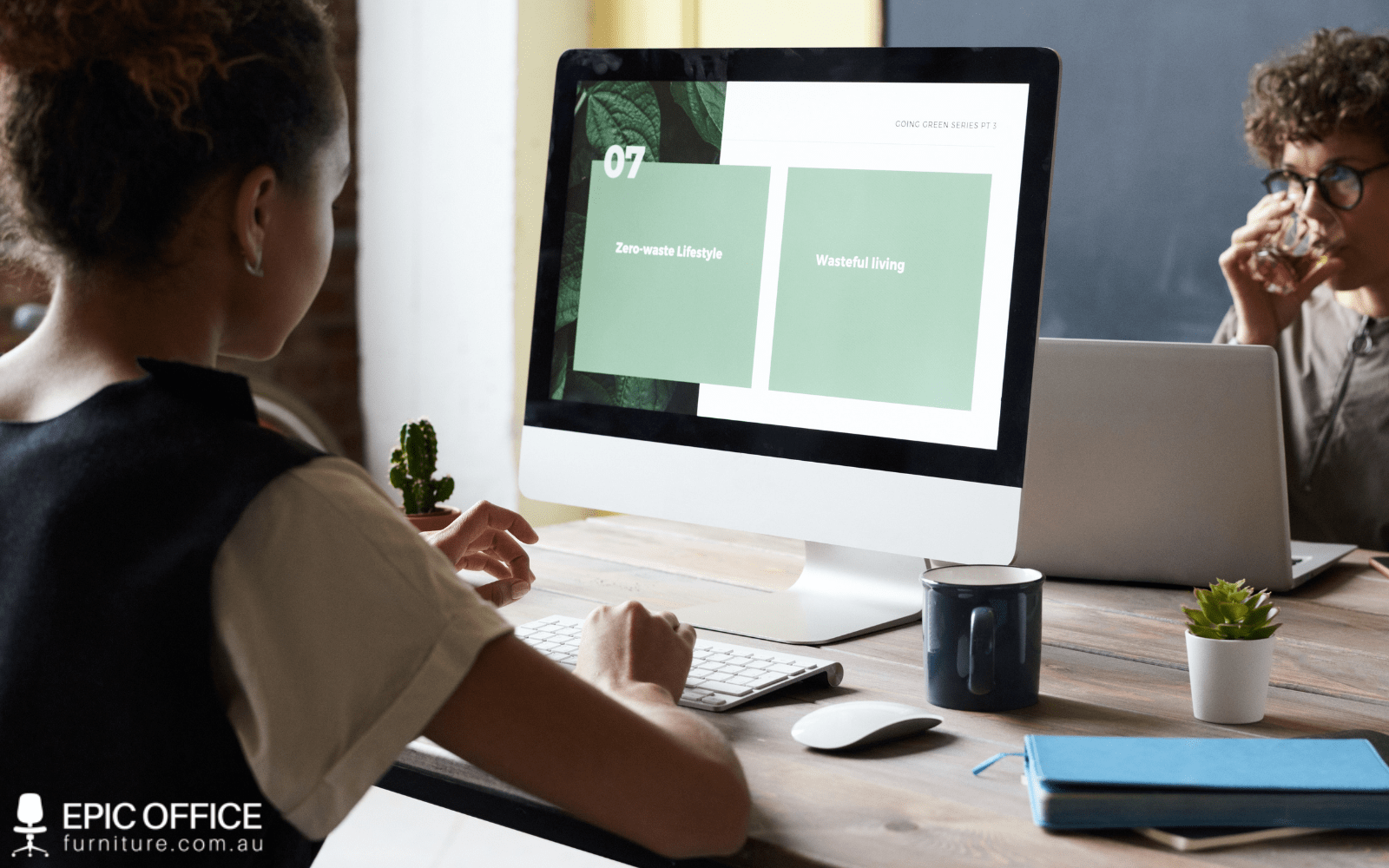
Start by setting up your desk in a way that supports how you work. Your screen should be positioned directly in front of you, with frequently used items within easy reach.
This aligns with high-search intent topics like ergonomic desk setup and workspace layout optimisation, which focus on reducing strain while improving workflow.
2. Declutter and Start Fresh
Before organising, clear everything off your desk and remove anything you don’t use regularly. This “reset” makes it easier to build a clean and functional workspace.
Clutter not only takes up space – it also impacts your ability to concentrate and complete tasks efficiently.
3. Create Dedicated Zones
One of the most effective desk organisation strategies is to assign zones for different tasks—such as work, storage, and personal items.
This approach is widely used in modern office organisation systems and productivity-focused workspace design, helping you:
- Avoid unnecessary clutter build-up
- Keep essential items within reach
- Maintain a structured workflow
4. Use Desk Organisers & Storage Solutions
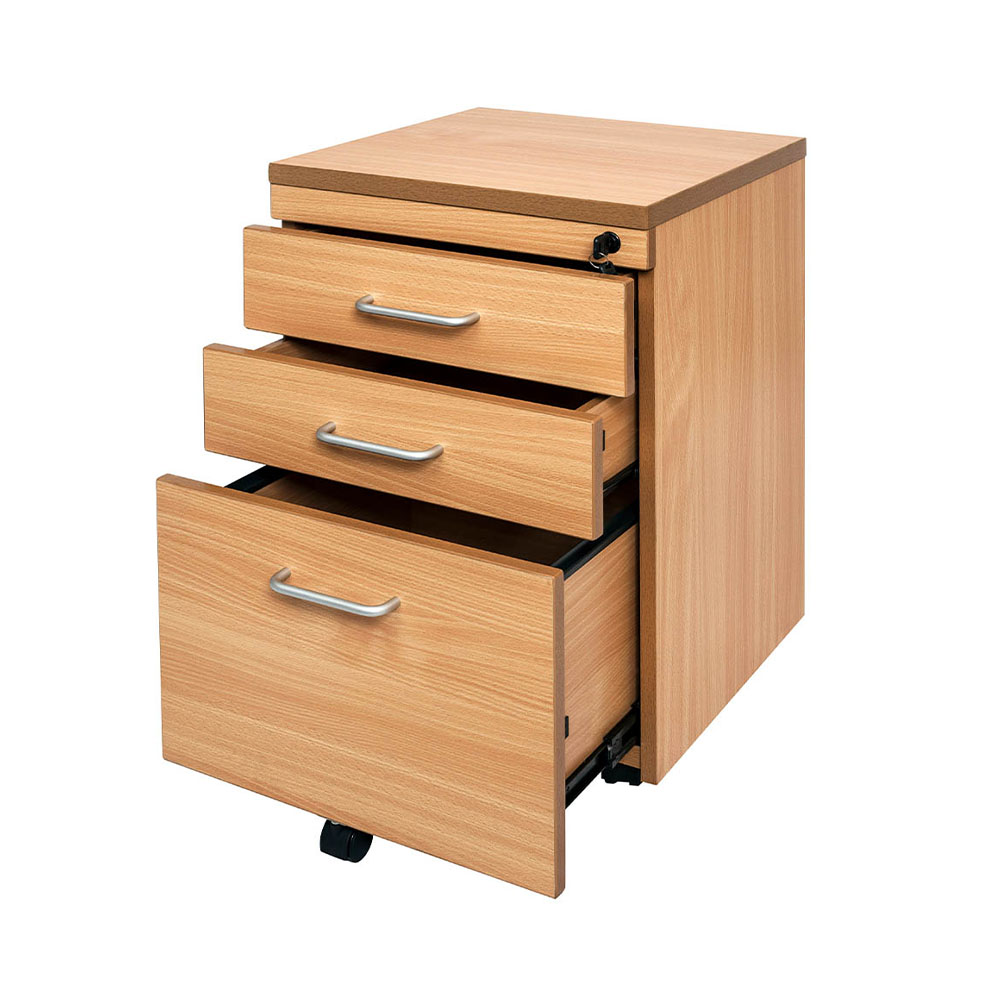
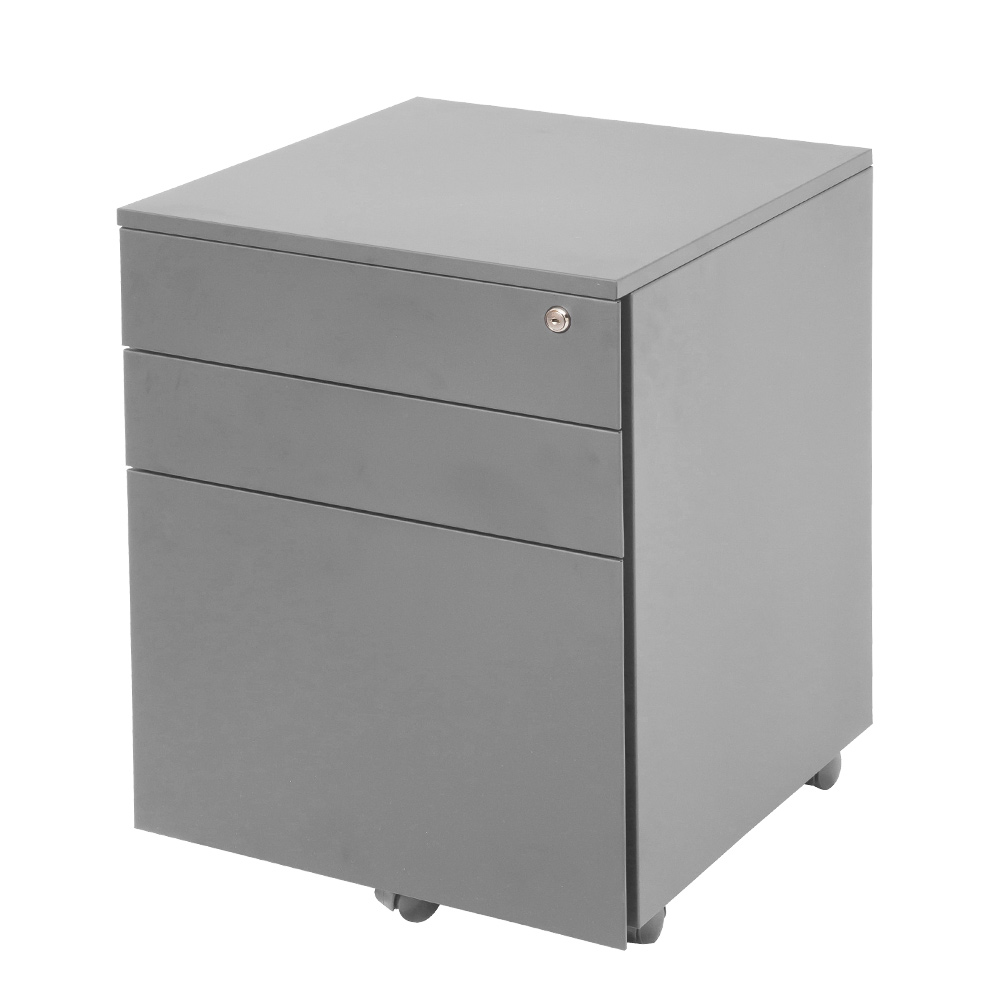
Desk organisers, drawer inserts, and trays are essential for keeping small items under control. Grouping similar items together makes it easier to find what you need quickly.
High-intent searches like desk organisers Australia, office storage solutions, and workspace accessories highlight the growing demand for practical organisation tools.
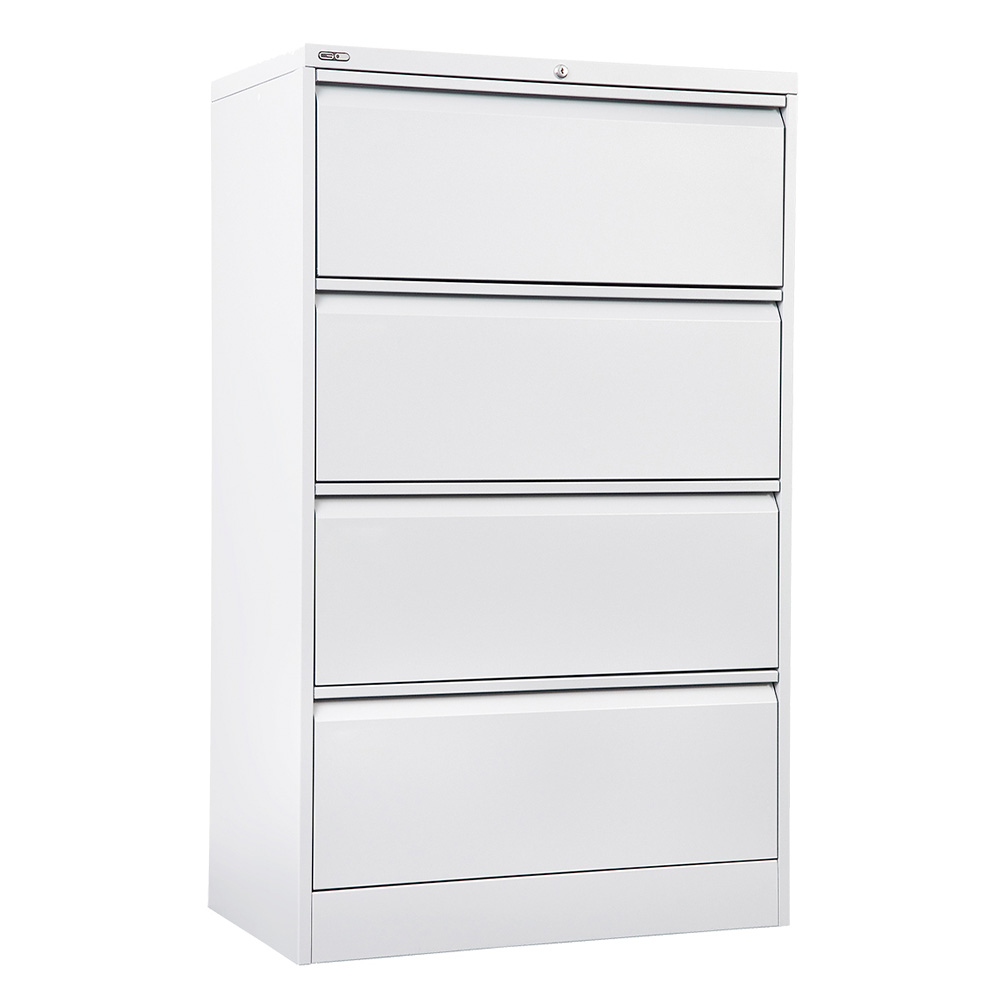
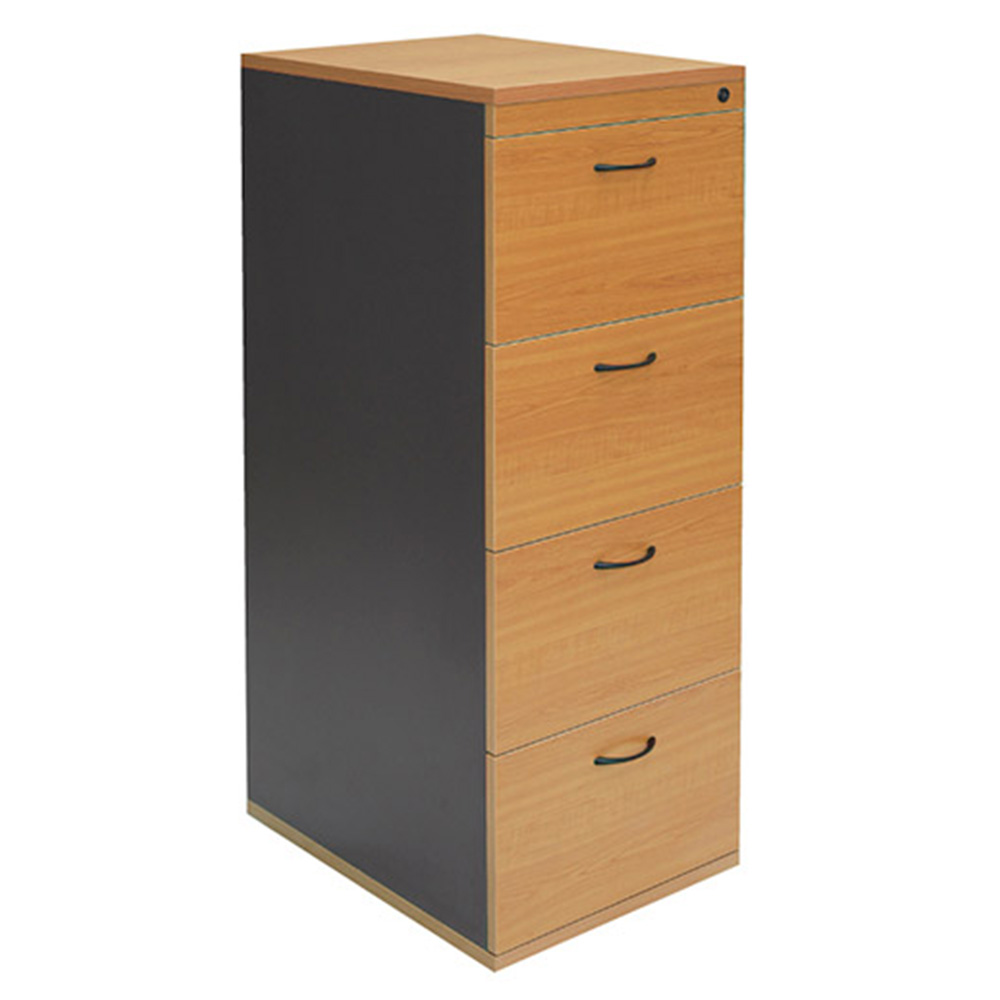
5. Implement a Filing System
Paper clutter is one of the biggest productivity killers. Without a proper filing system, documents quickly pile up and become difficult to manage.
Using filing cabinets, document trays, and labelled folders ensures:
- A cleaner, more professional workspace
- Easy access to important files
- Reduced time spent searching
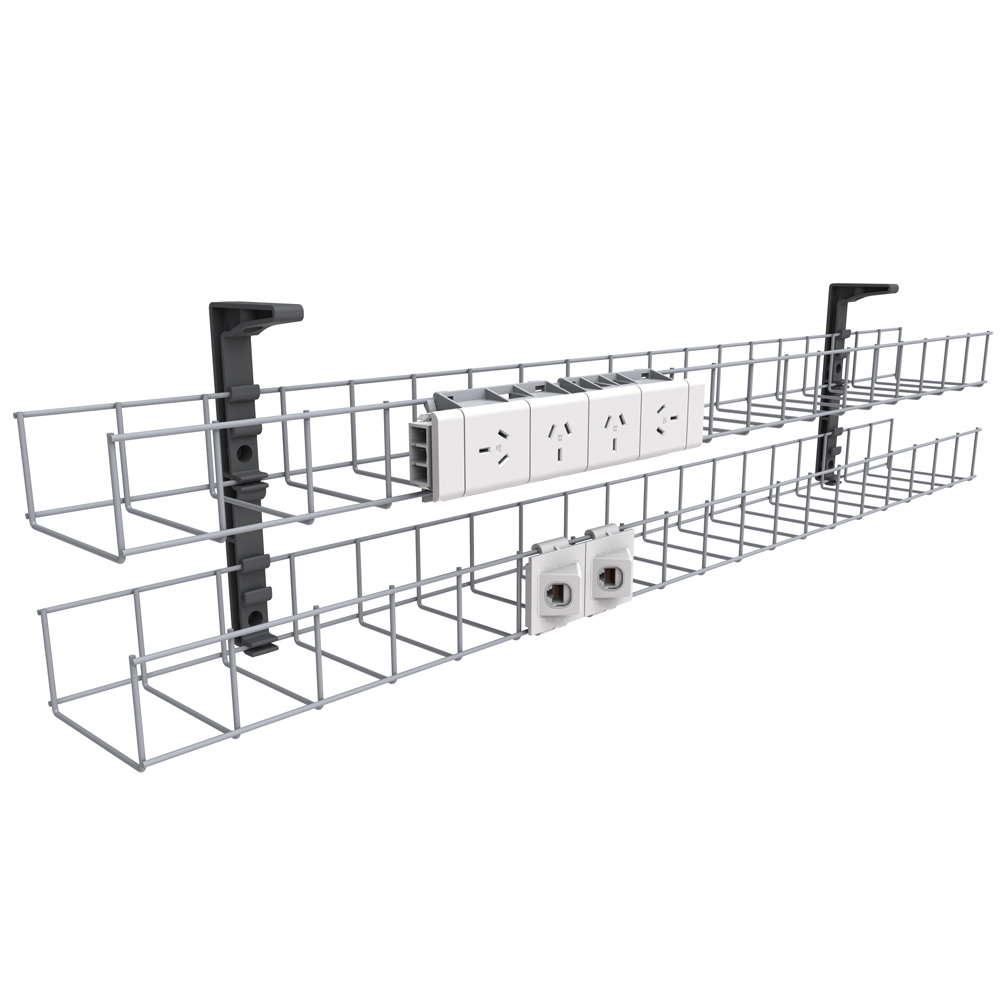
6. Manage Cables and Technology
Loose cables and unused devices can quickly make your desk feel chaotic. Cable management solutions help create a cleaner, more streamlined setup.
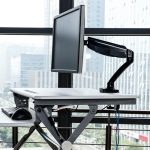
This is why many businesses are investing in cable management systems, monitor arms, and integrated desk solutions to maintain a tidy and functional workspace.
7. Minimise Distractions
While personal items can make your workspace feel more comfortable, too many can become distracting. Keep only a few meaningful items on display and store the rest away.
A clean, minimal workspace supports better focus and improved productivity.
8. Organise Your Digital Workspace Too
Desk organisation doesn’t stop at physical items. A cluttered desktop, overflowing inbox, and disorganised files can be just as disruptive.
Organising your digital workspace helps:
- Maintain better task management
- Improve workflow efficiency
- Reduce time spent searching for files
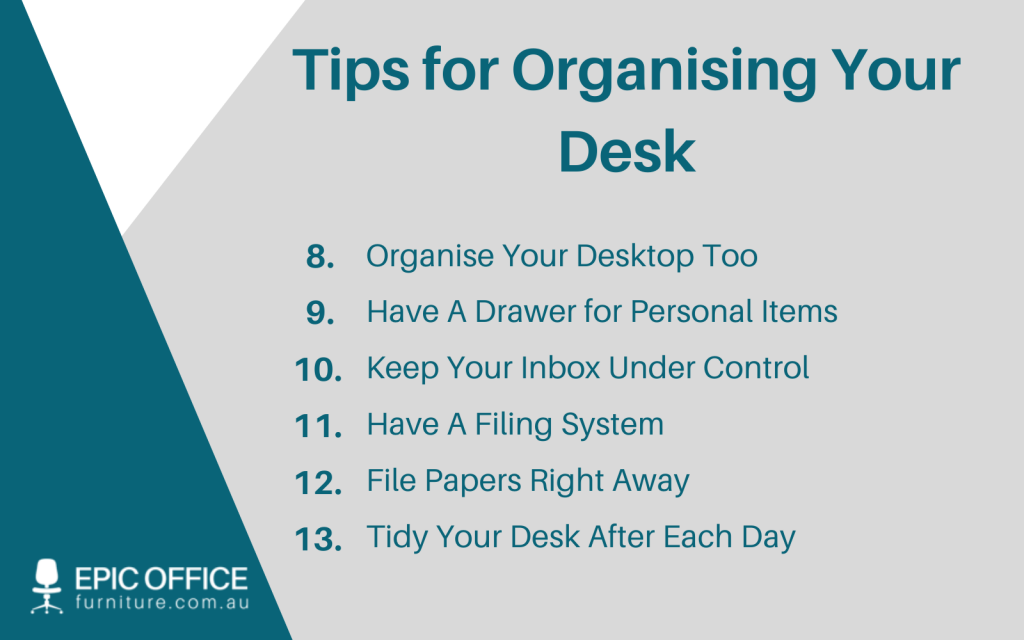
9. Build Daily Organisation Habits
The key to maintaining an organised desk isn’t just setting it up—it’s keeping it that way.
Simple habits like putting items back after use and tidying your desk at the end of each day can make a significant difference.
Consistency is what turns organisation into long-term productivity.
10. Prioritise Tasks for Better Workflow
An organised desk should support an organised workflow. Prioritising tasks helps you focus on what matters most and reduces last-minute stress.
Breaking tasks into categories – urgent, important, and low priority – helps create a more structured and efficient workday.
Transform Your Workspace for Better Results
Organising your desk is one of the simplest ways to improve productivity, reduce stress, and create a more efficient work environment.
By combining smart workspace design, practical storage solutions, and ergonomic desk accessories, you can build a workspace that supports how you work – not slows you down.
Whether you’re upgrading a home office or planning a large commercial fit-out, the right organisation strategy can have a lasting impact on performance.