

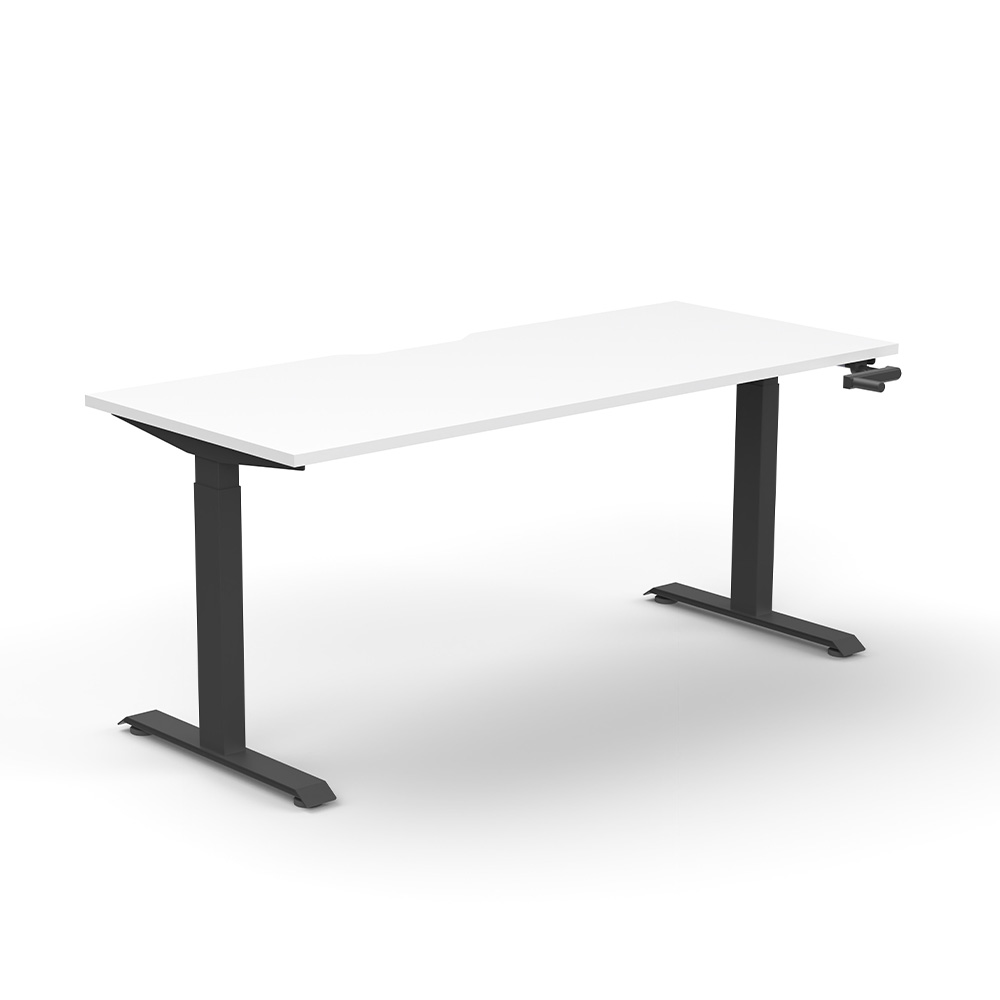
Standing desks have become a major feature in modern workplaces as businesses increasingly focus on ergonomics, employee wellbeing, and productivity optimisation. As demand grows for height-adjustable desks and ergonomic office furniture in Australia, more organisations are recognising the long-term value of sit-stand workstations.
But what are the real benefits of a standing desk – and are they worth the investment?
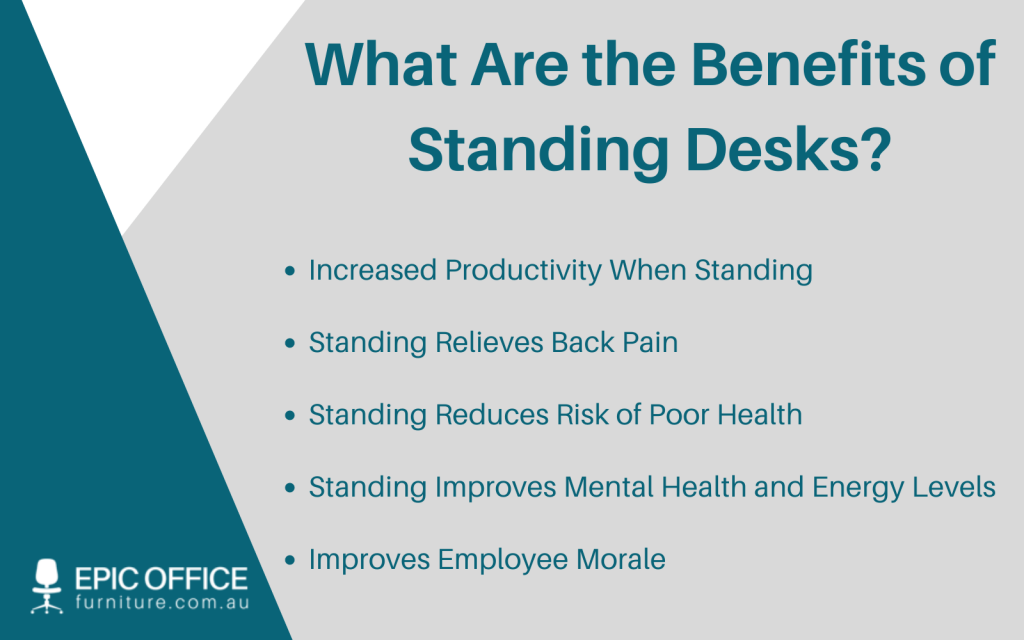
1. Improved Productivity and Focus
One of the most commonly reported benefits of standing desks is improved productivity. Alternating between sitting and standing can help reduce fatigue and maintain energy levels throughout the workday.
Research suggests that standing desks may improve alertness, engagement, and task efficiency, particularly during repetitive or focused work tasks.
By reducing discomfort and encouraging movement, employees are able to:
- Stay more focused for longer periods
- Reduce mid-afternoon energy slumps
- Improve overall work output
2. Reduced Back and Neck Pain
One of the strongest drivers of standing desk adoption is relief from musculoskeletal discomfort, particularly in the lower back, neck, and shoulders.
Studies show that using sit-stand desks can help reduce back pain and muscle fatigue in office workers over time.
This is especially important in modern office environments where employees often sit for extended periods.
Key benefits include:
- Reduced lower back strain
- Improved spinal alignment
- Less neck and shoulder tension
- Lower risk of long-term postural issues
3. Encourages Better Posture and Movement
Standing desks encourage users to move more frequently throughout the day, which helps break up long periods of static sitting.
Health guidelines recommend reducing prolonged sitting and incorporating regular movement breaks to support musculoskeletal health and overall wellbeing.
When used correctly, standing desks help promote:
- More dynamic posture changes
- Reduced stiffness and joint pressure
- Increased daily movement habits
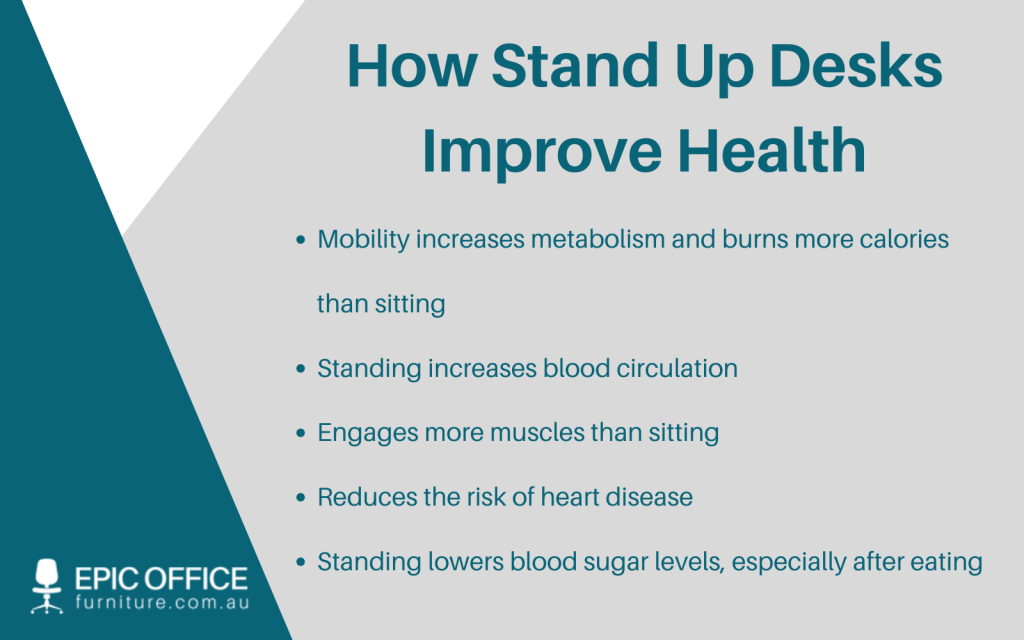
4. Supports Better Overall Health
Reducing sedentary time is strongly linked to improved long-term health outcomes. Excessive sitting has been associated with increased risks of chronic conditions, while breaking up sitting time can help improve metabolic and cardiovascular health.
Standing desks contribute to:
- Improved circulation
- Better energy regulation
- Reduced sedentary behaviour
- Healthier workplace habits overall
This is why many organisations now include sit-stand desks as part of broader workplace wellbeing and ergonomic strategies.
5. Increased Energy Levels Throughout the Day
Many users report feeling more energised when using a standing desk, particularly when alternating between sitting and standing.
Standing promotes greater physical engagement compared to sitting, which can help reduce feelings of fatigue and improve mental alertness during work tasks.
This can lead to:
- More consistent energy levels across the day
- Less afternoon tiredness
- Improved motivation
6. Encourages a More Active Work Routine
Standing desks naturally encourage more movement throughout the day, which is a key factor in reducing the negative effects of prolonged sitting.
Experts recommend regular breaks from sitting – often every 30 minutes – to support circulation and reduce physical strain.
A sit-stand setup helps users:
- Build healthier long-term habits
- Change posture regularly
- Incorporate micro-movements into the workday
7. Complements Modern Hybrid Work Environments
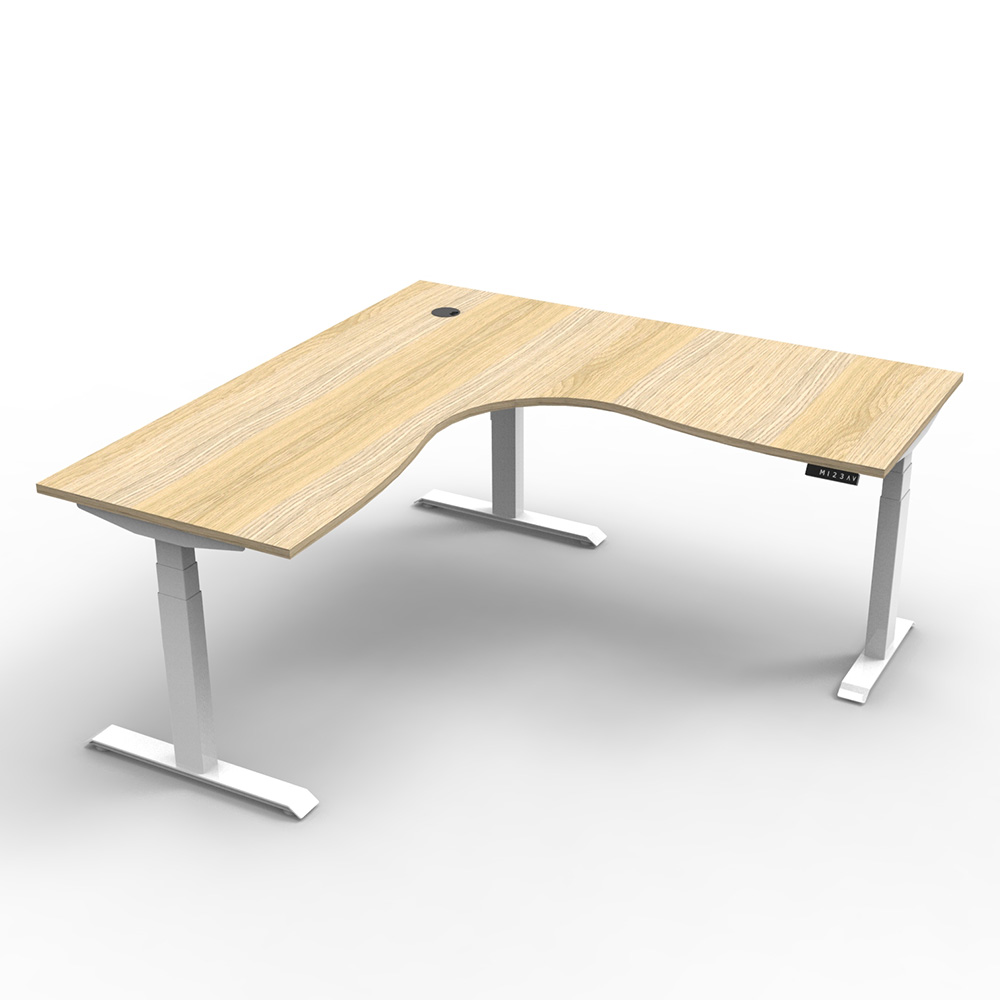
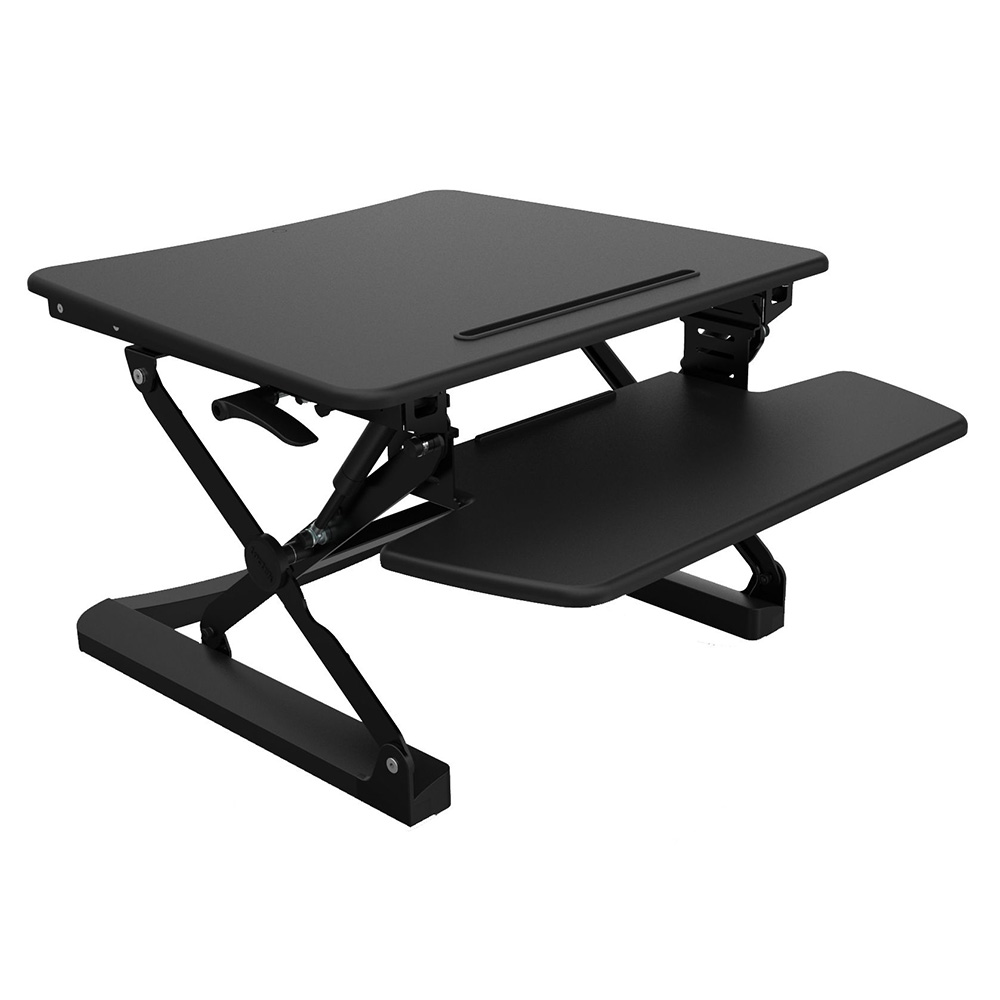
With hybrid and flexible working now standard, standing desks are becoming essential in both office and home setups.
Adjustable workstations allow users to:
- Adapt their setup to different tasks
- Support multiple users in shared environments
- Maintain ergonomic consistency across locations
This makes them a key component of modern commercial office fit-outs and home office upgrades.
Are Standing Desks Worth It?
Standing desks are not designed to replace sitting entirely – but to reduce prolonged static posture.
The most effective approach is to alternate between sitting, standing, and moving throughout the day, rather than staying in one position for long periods.
For most users, the optimal setup includes:
- Movement breaks throughout the day
- Regular sit-stand transitions
- Proper ergonomic desk and monitor height
The benefits of a standing desk go beyond comfort – they support productivity, posture, energy levels, and long-term workplace health.
As businesses continue investing in ergonomic office furniture and modern workspace solutions, sit-stand desks are becoming a standard feature in high-performance environments.
Whether upgrading a single workstation or planning a full office fit-out, standing desks offer a simple but powerful way to improve how people work every day.



Nice article, increasing health realted issues at work is one of the primary concern that a company should look upon,from pandemic to homebase and now back to regular work that seems to be undeneable fact that workplace must create a reactive solution and a good standing desk can help your workforce balance work and healthy life.