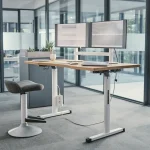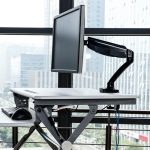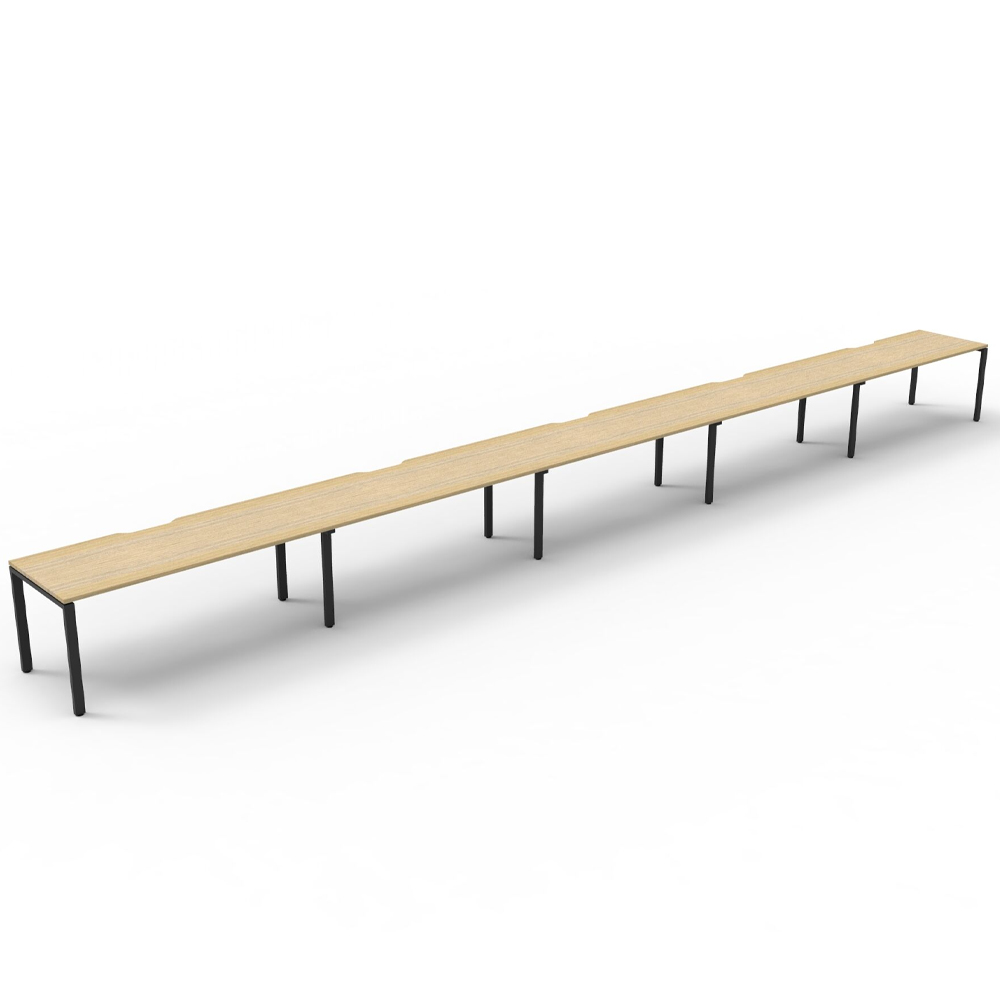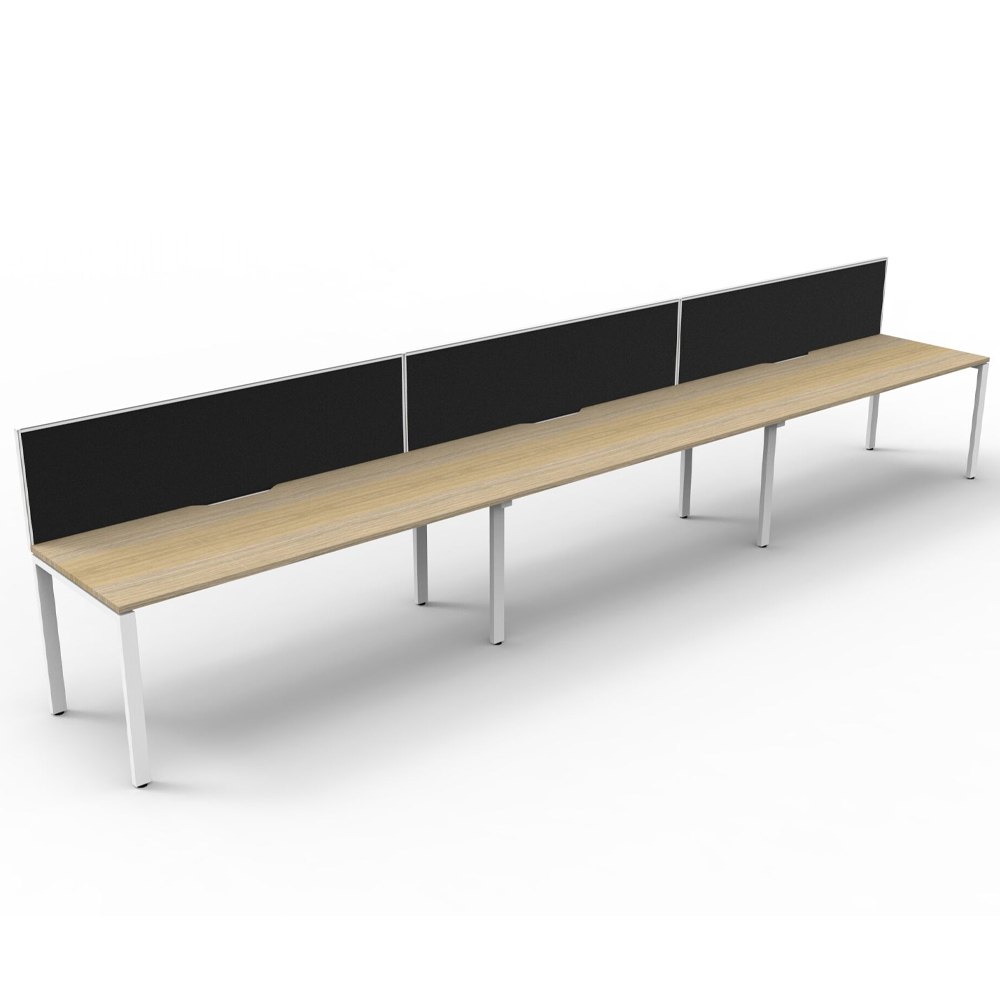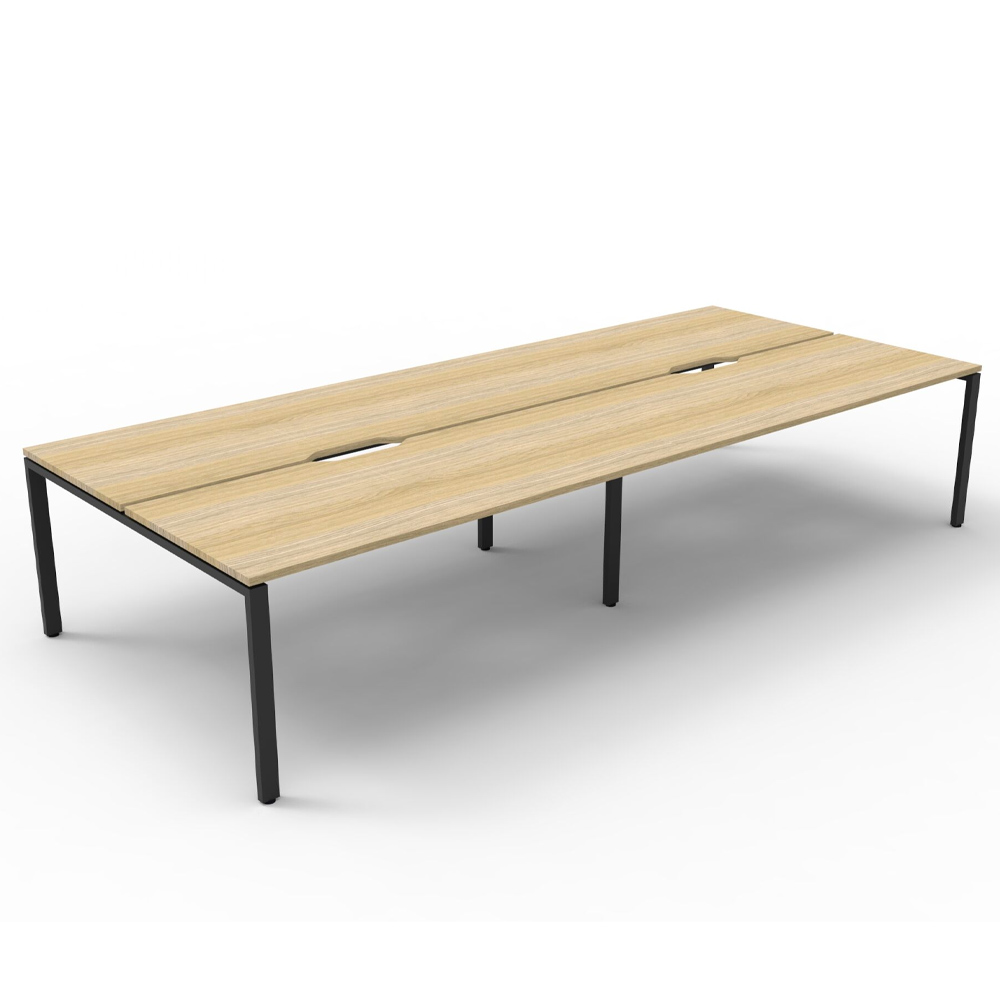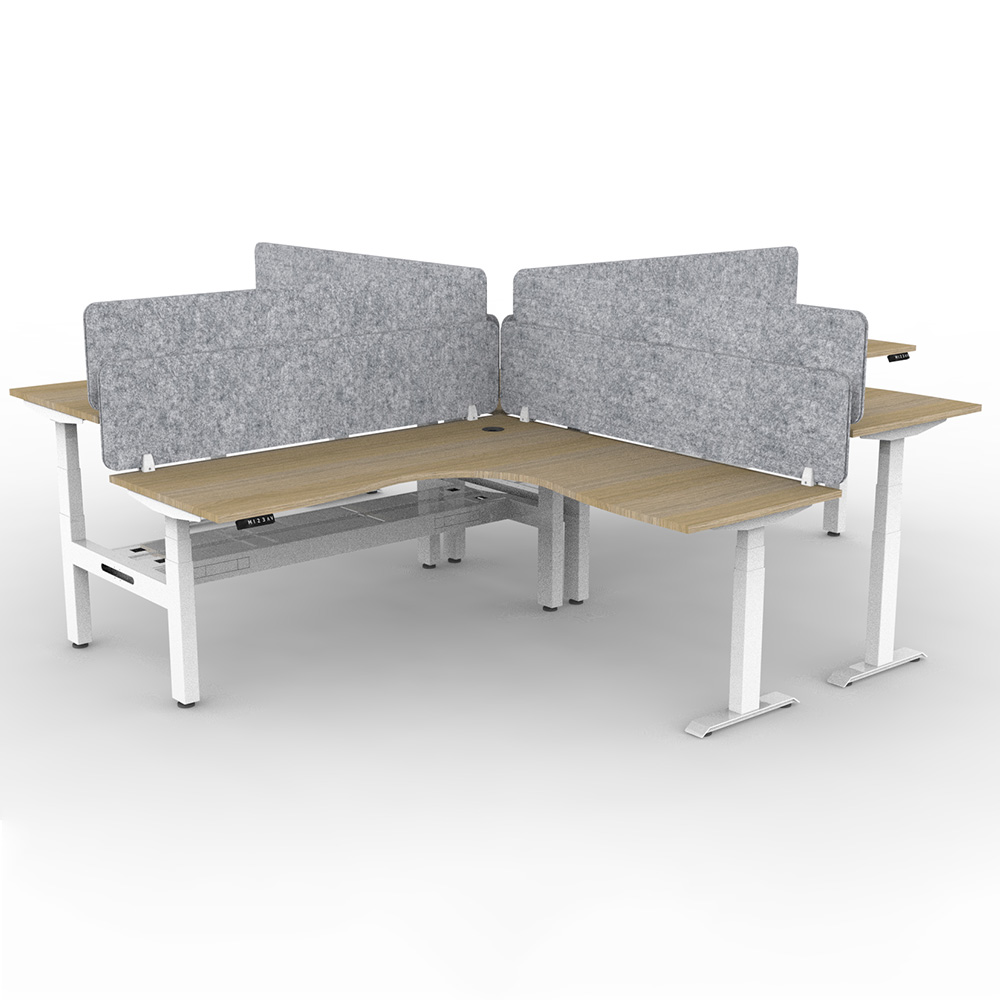

Modern office design is no longer just about filling space with desks – it’s about creating a high-performance environment that supports collaboration, productivity, and efficient workflow. One of the most effective solutions for achieving this is the use of large office workstations in commercial workplaces.
As more businesses search for open-plan office furniture, modular workstation systems, and commercial office fit-outs in Australia, large workstation setups have become a core component of modern workspace design.
Why Large Office Workstations Are Used in Modern Workplaces?
Today’s workplaces are shifting toward flexible, collaborative environments rather than traditional segmented office layouts. Large office workstations support this shift by enabling multiple employees to work in shared, structured spaces while still maintaining organisation and efficiency.
These workstation systems are commonly used in:
- Corporate offices and headquarters
- Creative and marketing agencies
- Call centres and operations teams
- Start-up and scaling businesses
Research into workplace design shows that well-structured open-plan environments can improve communication, productivity, and employee comfort when properly designed with space and function in mind.
The Benefits of Large Office Workstations
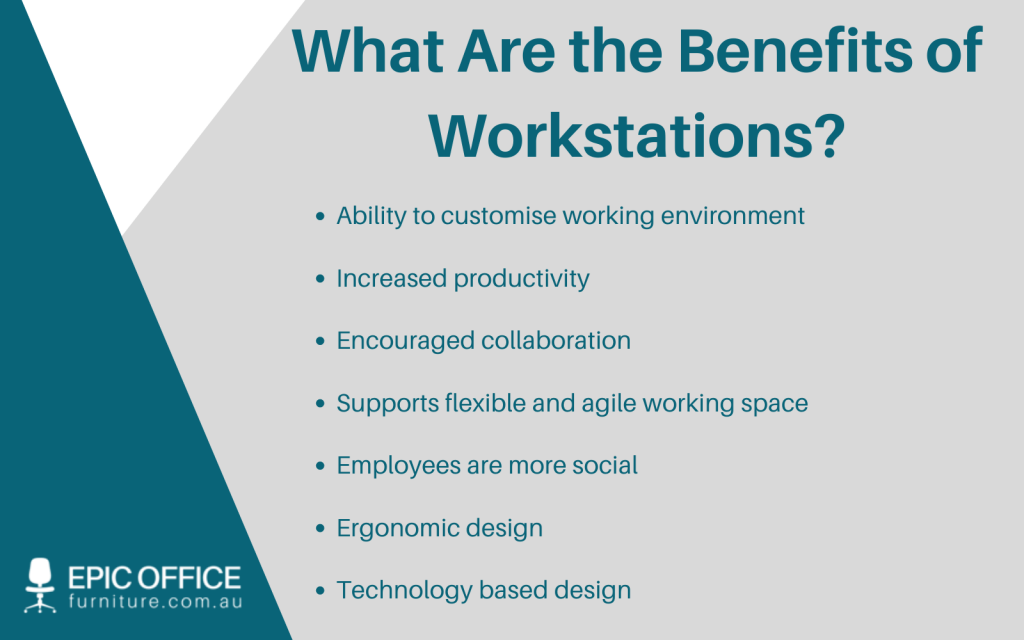
1. Improved Collaboration and Team Communication
One of the strongest advantages of large office workstations is the way they support collaboration.
By placing employees in shared workstation clusters, teams can:
- Share ideas more easily
- Communicate without scheduling meetings
- Work together on tasks in real time
- Improve project turnaround speed
This reflects a major trend in modern office workstation design, where collaboration is prioritised over isolation. Shared layouts naturally encourage interaction, making them ideal for fast-paced or creative industries.
2. Better Use of Office Space
Large workstation systems are designed to maximise floor space efficiency. Instead of multiple standalone desks, businesses can consolidate teams into structured layouts such as:
- Back-to-back workstations
- Bench-style desks
- Multi-user pods (4, 6, 8+ users)
This approach helps businesses:
- Reduce wasted space
- Improve floorplan flow
- Increase seating capacity
- Maintain clear walkways and zones
Workstation systems are specifically designed to optimise layout efficiency while supporting scalable team growth.
3. Increased Workplace Productivity
Large office workstations improve productivity by creating a structured and accessible working environment. Employees benefit from:
- Immediate access to tools and equipment
- Reduced time spent moving between departments
- Easier communication with colleagues
- Streamlined daily workflows
When designed correctly, workstation layouts help remove friction from everyday tasks, allowing teams to operate more efficiently.
4. Flexible and Scalable Office Design
Modern businesses need office layouts that can grow and adapt. Large workstation systems are highly flexible, making them ideal for evolving teams.
Key advantages include:
- Easy reconfiguration as teams expand
- Modular components that can be added or removed
- Compatibility with accessories like screens and cable management
- Adaptability for hybrid working environments
This scalability is a key reason workstation systems are widely used in commercial office fit-outs and corporate refurbishments.
5. Enhanced Communication and Workplace Culture
Unlike isolated desk setups, large workstation environments naturally encourage social interaction.
This leads to:
- Stronger team relationships
- Faster problem-solving
- Improved workplace morale
- Greater sense of connection between staff
By removing physical barriers, workstation layouts help create a more unified and collaborative workplace culture.
6. Ergonomics and Employee Comfort
Modern workstation systems are designed with ergonomics in mind, supporting:
- Adjustable seating and monitor positioning
- Proper posture alignment
- Integrated cable management for clean workspaces
- Optional privacy screens for balance between focus and collaboration
Ergonomic design is a key factor in reducing workplace strain and improving long-term employee wellbeing, especially in environments where staff spend extended hours at their desks.
7. Technology Integration and Workflow Efficiency
Large office workstations are built to support modern technology-driven workplaces.
They commonly include:
- Built-in cable management systems
- Power and data integration
- Monitor arm compatibility
- Shared device connectivity options
This ensures teams can work efficiently without clutter or technical limitations slowing them down.
Who Should Use Large Office Workstations?
Large workstation systems are best suited to organisations that require:
- High levels of collaboration
- Shared workflows and communication
- Scalable office layouts
- Efficient use of commercial space
They are particularly effective for growing businesses that want to balance team connectivity with structured workspace organisation.
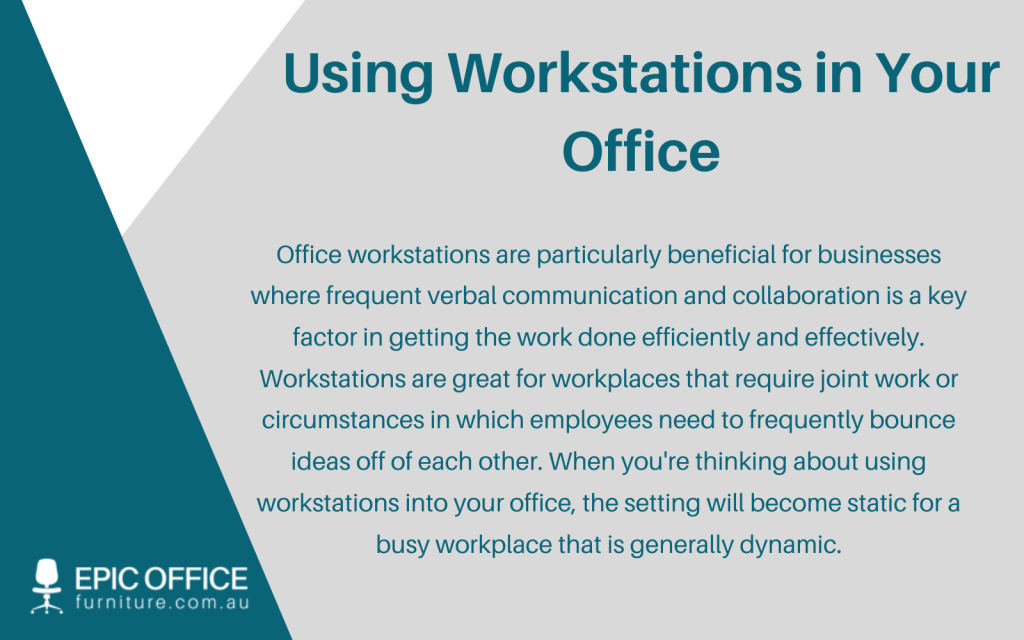
The Role of Workstations in Modern Office Design
Workstations are now a core part of modern office fit-out strategy, helping businesses achieve a balance between:
- Collaboration and individual focus
- Space efficiency and comfort
- Structure and flexibility
When designed correctly, they contribute directly to better performance, improved workflow, and a more professional workplace environment.