
“Productivity is never an accident. It is always the result of a commitment to excellence, intelligent planning, and focused effort.” – Paul J. Meyer
Creating a productive office is not about working harder – it’s about designing an environment that supports focus, efficiency, and employee wellbeing. A well-structured workplace can significantly improve workflow, reduce distractions, and increase overall performance. With growing interest in office productivity, workplace design, and ergonomic office solutions, businesses are increasingly focusing on how their environment impacts daily output.
While no office can guarantee perfect productivity at all times, there are proven strategies that can help create a workspace that encourages better performance and smoother workflows.
One of the most important factors in building a productive office is lighting. Adequate lighting is essential for maintaining focus and reducing eye strain throughout the workday. Natural light, in particular, has been shown to improve energy levels and boost productivity, making it one of the most valuable elements in any workspace. Where natural light is limited, artificial lighting should be carefully planned to ensure all work areas are well-lit and suitable for the tasks being performed.
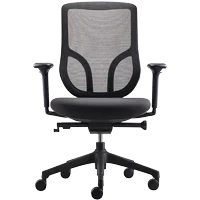
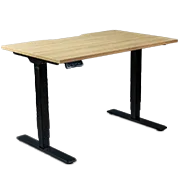
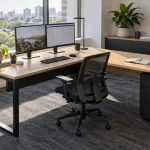
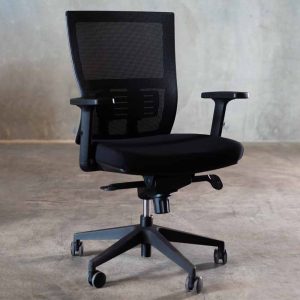
Another key factor is ergonomic office furniture. Uncomfortable seating and poorly designed workstations can quickly lead to fatigue, discomfort, and reduced motivation. Ergonomic chairs, adjustable desks, and properly designed workstations help employees maintain correct posture and work comfortably for extended periods. When employees are physically supported, they are more likely to stay focused, engaged, and productive throughout the day.
Air quality and temperature control also play a major role in workplace performance. A comfortable working environment helps employees maintain concentration and reduces distractions caused by heat, cold, or poor ventilation. Ensuring consistent airflow and maintaining a comfortable temperature can have a noticeable impact on both wellbeing and productivity levels.
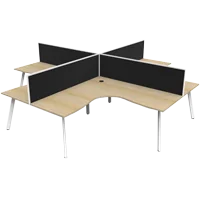
Noise management is another critical aspect of a productive office. Excessive noise or frequent interruptions can significantly disrupt workflow and reduce efficiency. Designing office layouts that separate noisy areas such as printers, break rooms, and communal spaces from focused work zones can help minimise distractions. Acoustic solutions such as partitions and screens can also be used to create quieter, more focused environments.
Office arrangement and layout planning are equally important. A well-designed layout ensures that employees can move easily through the space, access shared resources without disruption, and work in areas suited to their tasks. Whether using open-plan workstations, collaborative zones, or private spaces, the layout should always support the way people actually work rather than forcing them to adapt to the space.
Creating a productive office is about far more than simply adding desks and chairs to a workspace. Modern office environments are designed to improve focus, collaboration, comfort, and efficiency while supporting employee wellbeing and long-term business growth.
Whether you’re designing a new workspace, upgrading an existing office, or planning a complete office furniture fitout, the right layout and furniture choices can significantly influence workplace productivity, workflow, and staff satisfaction.
1. Start with ergonomic office furniture that supports long-term comfort and posture. Employees spend thousands of hours seated throughout their careers, making high-quality ergonomic office chairs one of the most important investments for any productive workspace. Adjustable seating helps reduce fatigue, improve posture, and support focused work throughout the day. Commercial seating options like the Cascade Ergonomic Mesh Office Chair are specifically designed for long-term daily use in busy office environments.
2. Incorporate flexible workstation layouts that encourage both collaboration and focused work. Modern businesses are increasingly moving towards adaptable office layouts that can support changing team sizes, hybrid work arrangements, and evolving workflow requirements. Flexible desking systems and collaborative furniture solutions are becoming essential components of modern office design.
3. Introduce movement into the workplace wherever possible. Sitting for extended periods can contribute to fatigue and discomfort, which is why many businesses are now integrating standing desks into their office environments. Products like the Boost+ Height Adjustable Electric Desk and Halo+ Sit-Stand Desks encourage healthier movement throughout the day while supporting productivity and concentration.
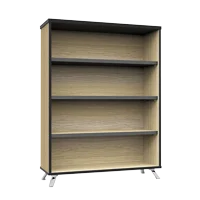
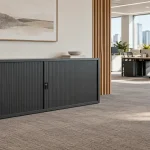
4. Prioritise storage and organisation to reduce visual clutter and improve workflow efficiency. Clean, organised workspaces can help employees stay focused while creating a more professional environment for staff and visitors alike. Functional solutions like office credenzas, office shelving, and office cupboards can dramatically improve workspace usability without compromising aesthetics.
5. Design collaborative areas that support communication and teamwork. Modern offices are no longer built entirely around individual desks — breakout areas, meeting spaces, and flexible seating zones now play a major role in workplace productivity. Acoustic furniture and collaborative solutions like the B.Quiet Meeting Booth can help create more effective and comfortable shared work environments.
6. Consider lighting, airflow, and overall workplace comfort when designing your office layout. Furniture placement can influence how natural light moves through a workspace while also affecting noise levels, accessibility, and employee interaction. Well-planned office environments often feel more open, efficient, and productive while creating a stronger impression for both staff and visitors.
7. Invest in commercial-quality furniture designed for long-term durability and performance. High-quality office furniture not only lasts longer but also creates a stronger professional impression. Businesses investing in ergonomic workstations, standing desks, and complete commercial office fitouts often see long-term benefits in productivity, workplace presentation, and employee wellbeing.
Productive offices are built around people. By combining ergonomic furniture, flexible layouts, collaborative spaces, and thoughtful workplace design, businesses can create environments that support both employee wellbeing and operational efficiency.
Whether you’re upgrading a small home office or planning a large commercial workspace, investing in quality office furniture can have a lasting impact on comfort, workflow, and overall business performance. You can also explore our guide on how long to stand at a standing desk or learn more about the advantages of using a standing desk to further improve workplace ergonomics and productivity.