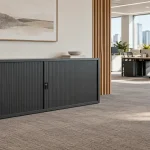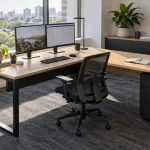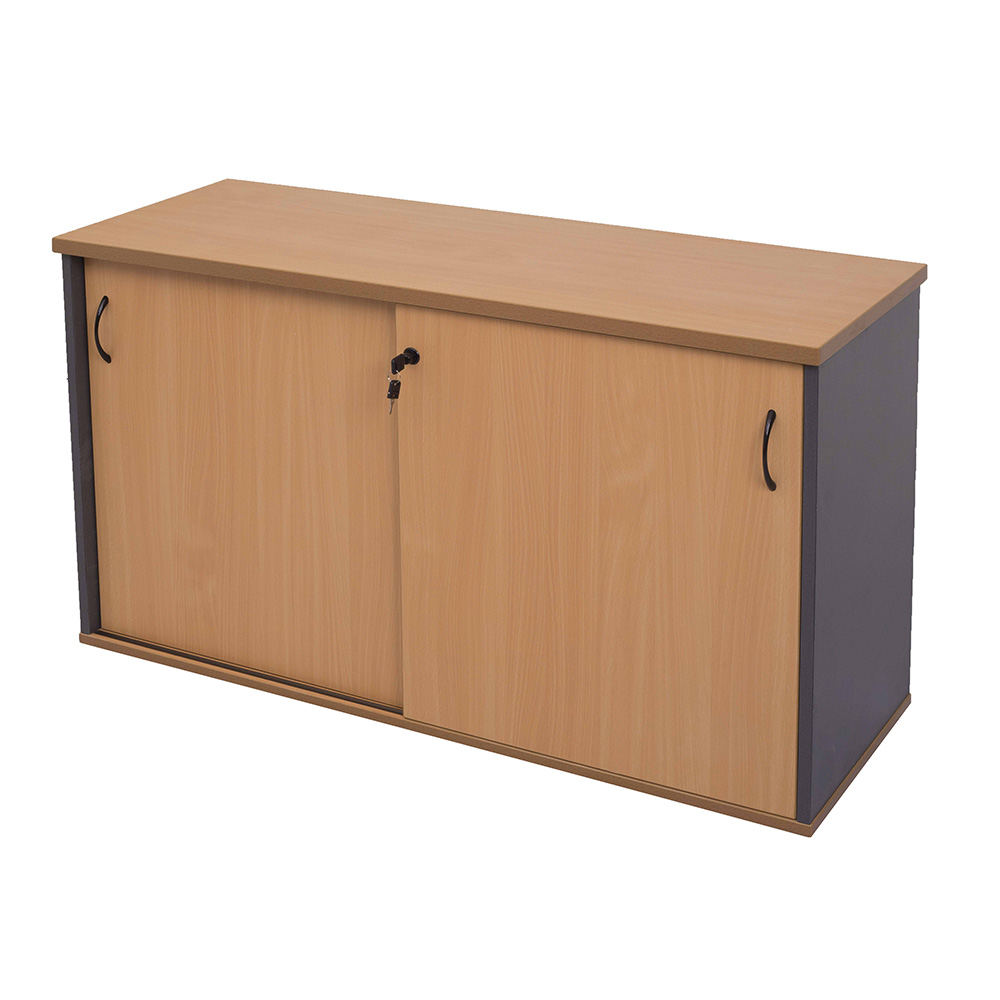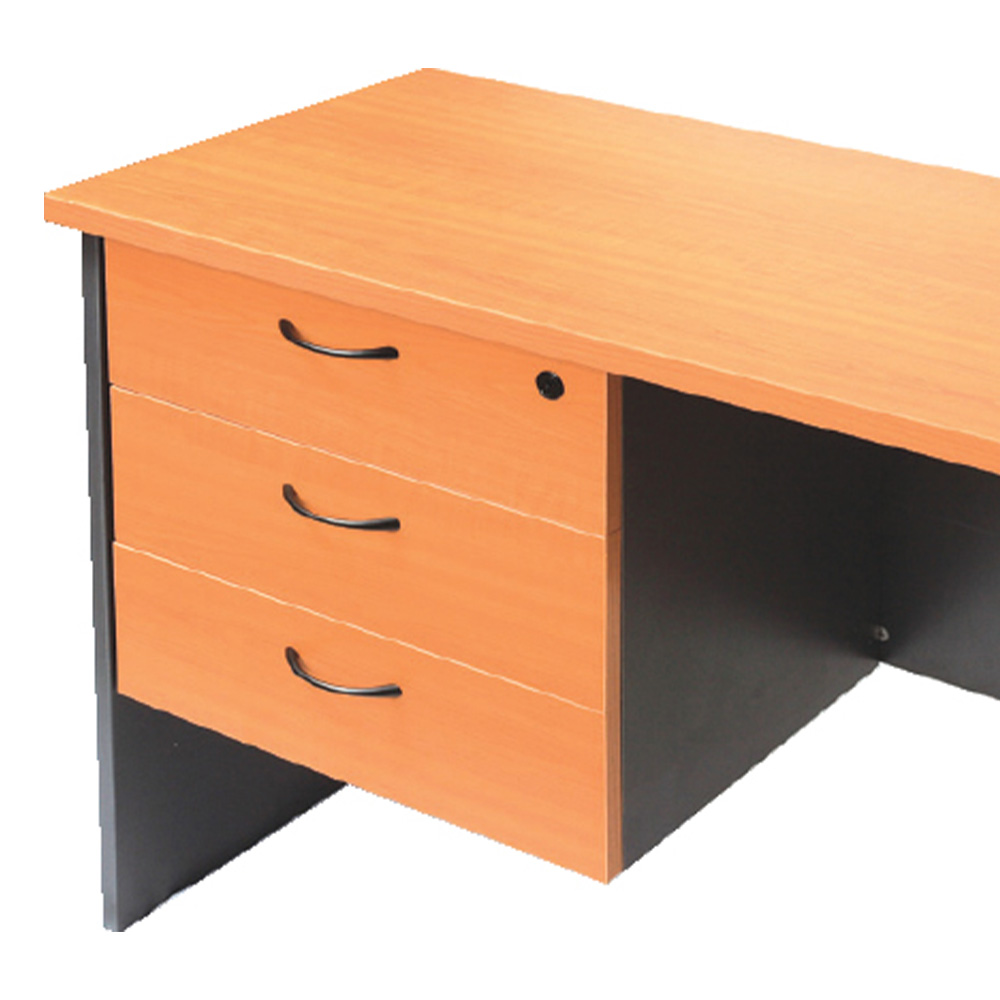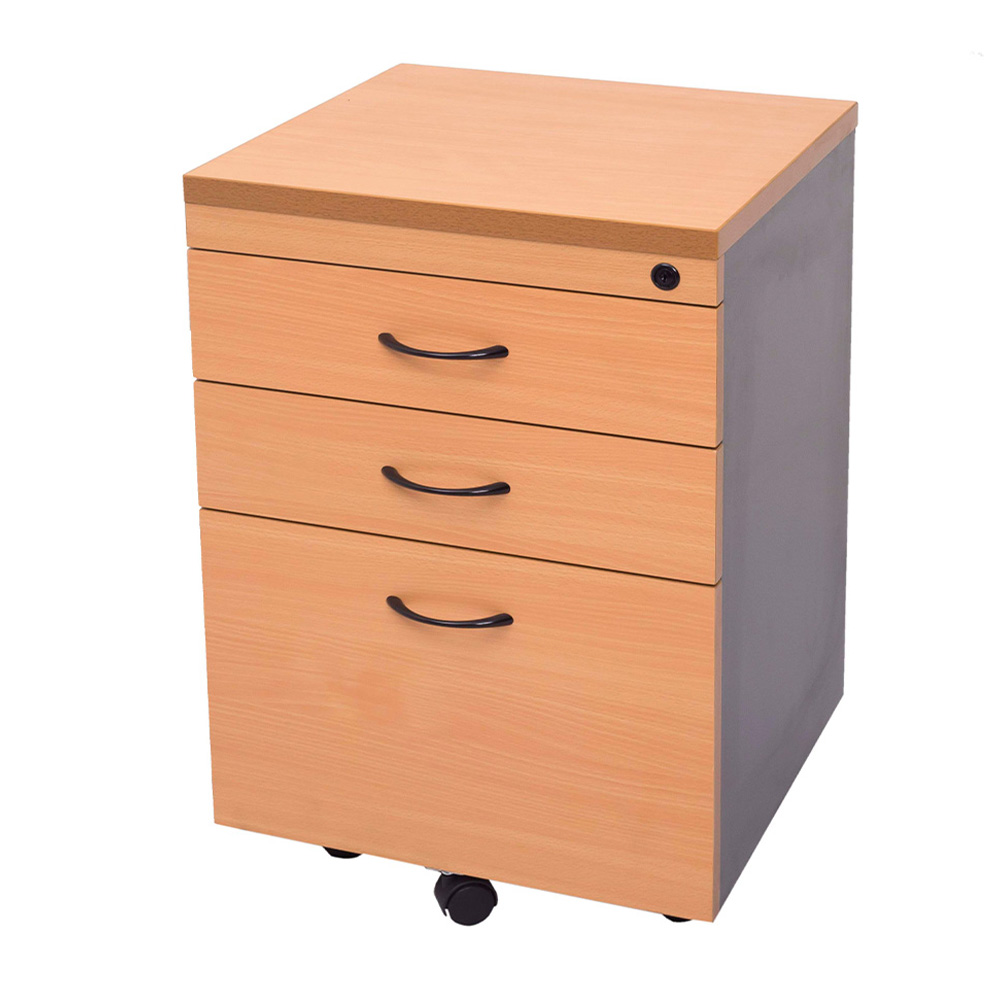
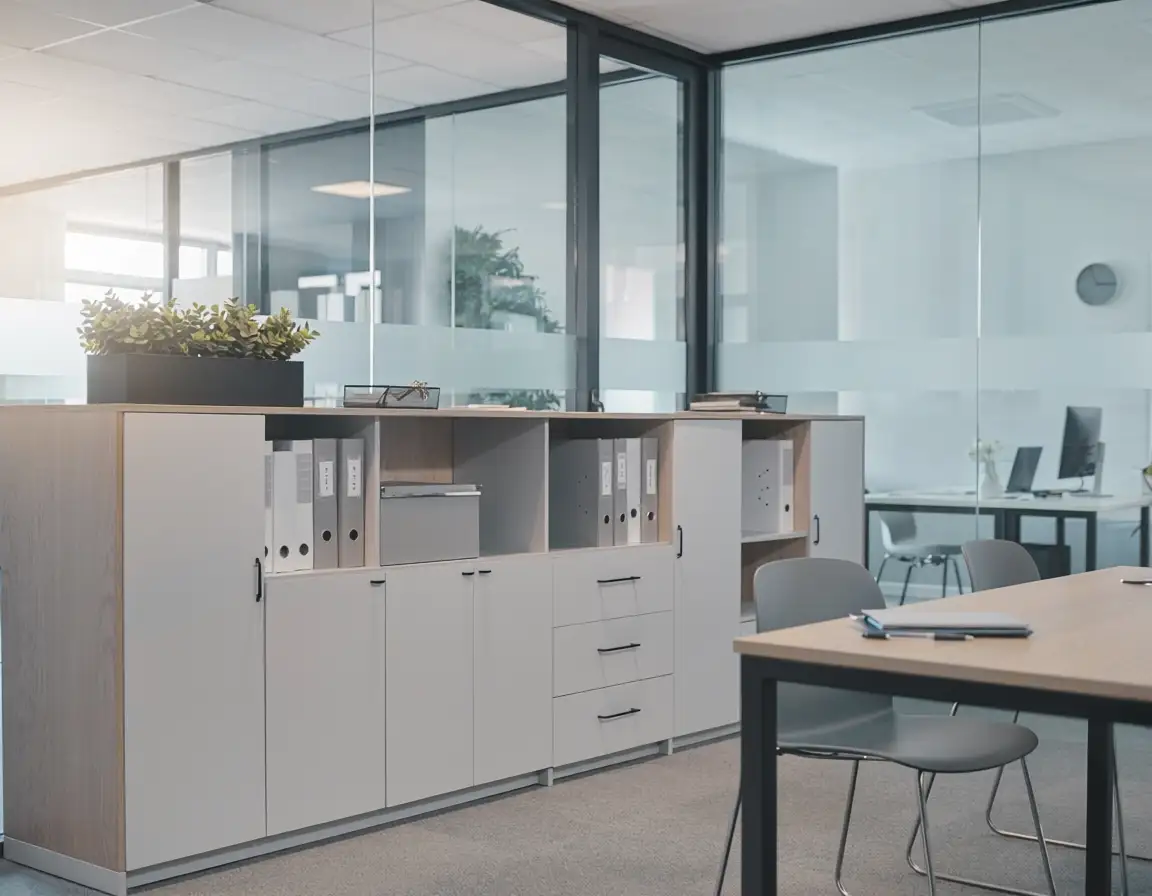
Choosing the right storage furniture is an important part of creating an organised, productive and professional workplace. While desks and seating often receive the most attention during office planning, effective storage solutions help businesses manage documents, supplies, equipment and daily operational requirements more efficiently. The right office storage cabinets and cupboards can improve workplace organisation, reduce clutter and create a cleaner environment that supports employee productivity and business growth.
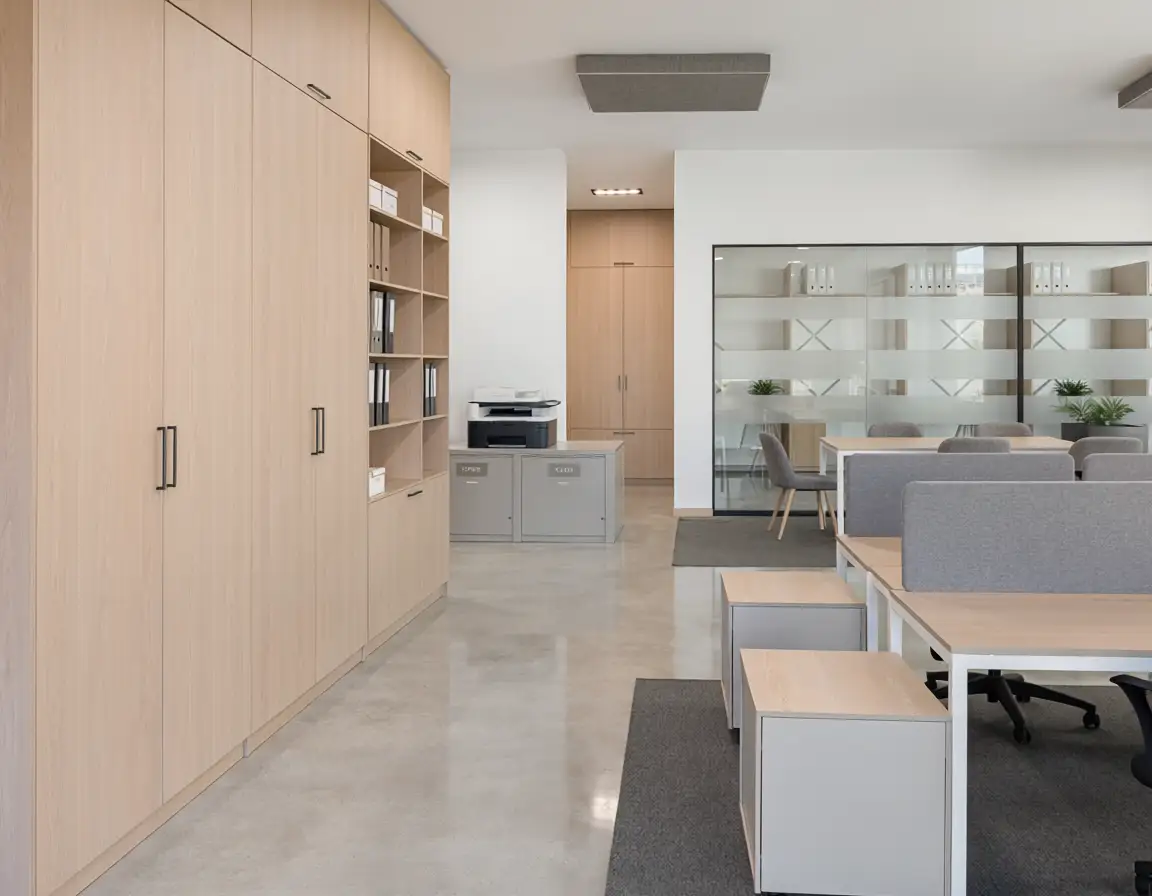
Every workplace has unique storage requirements. A small office may need compact storage for documents and stationery, while larger organisations often require secure storage systems capable of supporting multiple departments. Understanding your business needs before purchasing storage furniture can help ensure you select solutions that deliver long-term value and functionality.
1. Start by Assessing What Needs to Be Stored
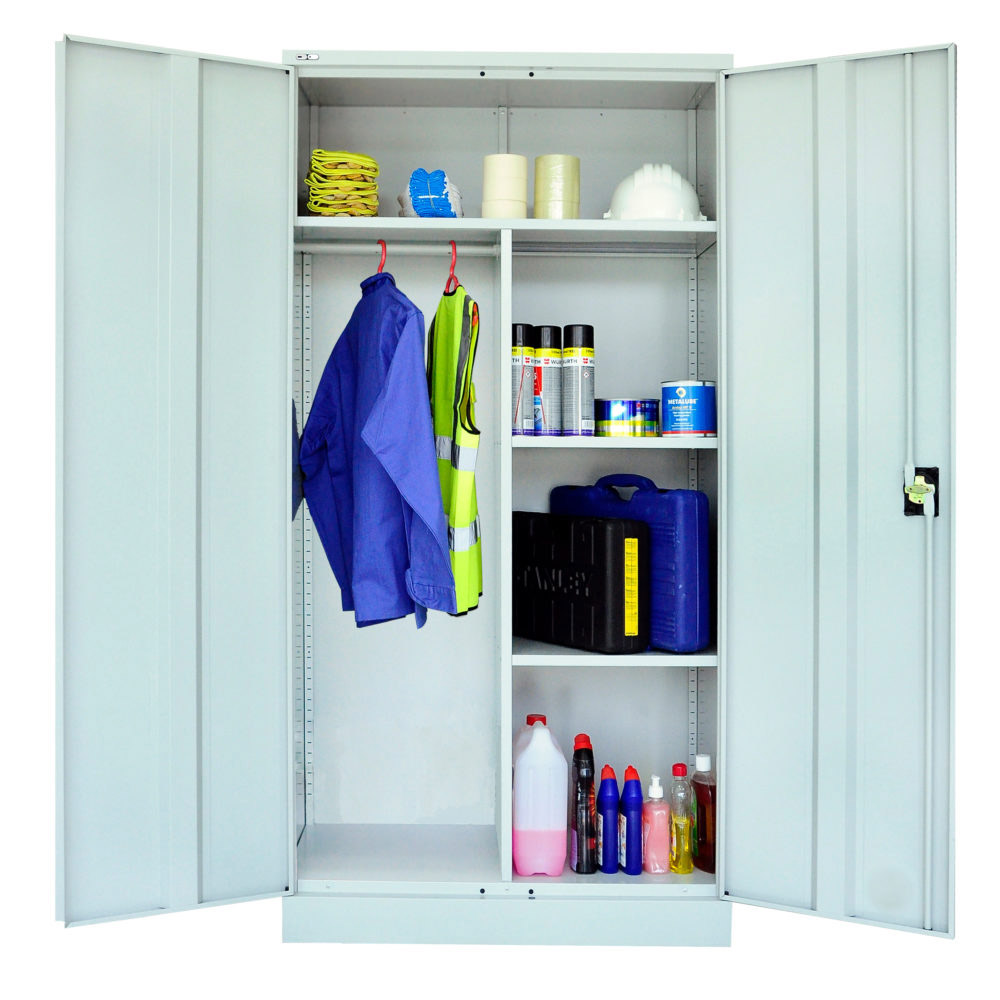
Before selecting storage cabinets, consider exactly what items require storage. Documents, office supplies, technology equipment, archived records and employee resources all have different storage requirements. Understanding storage volumes and access frequency helps determine the most suitable cabinet size, configuration and security features.
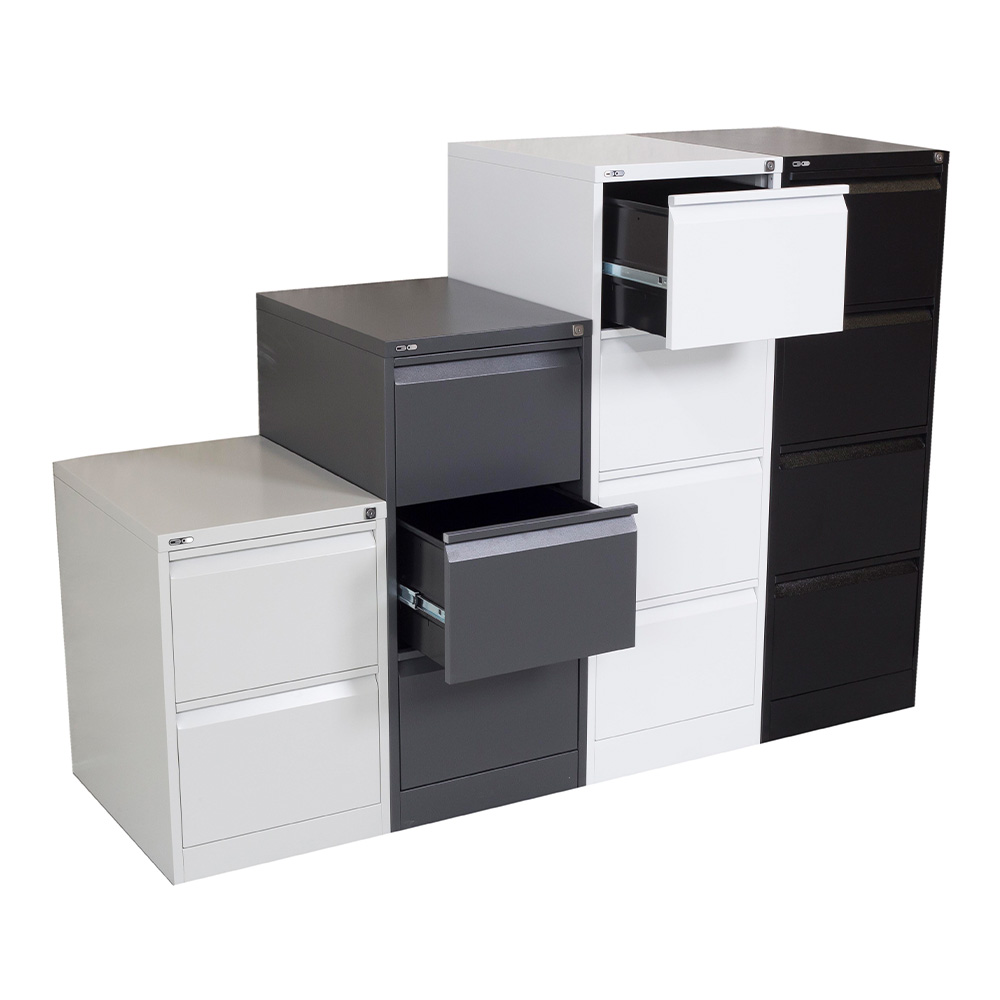
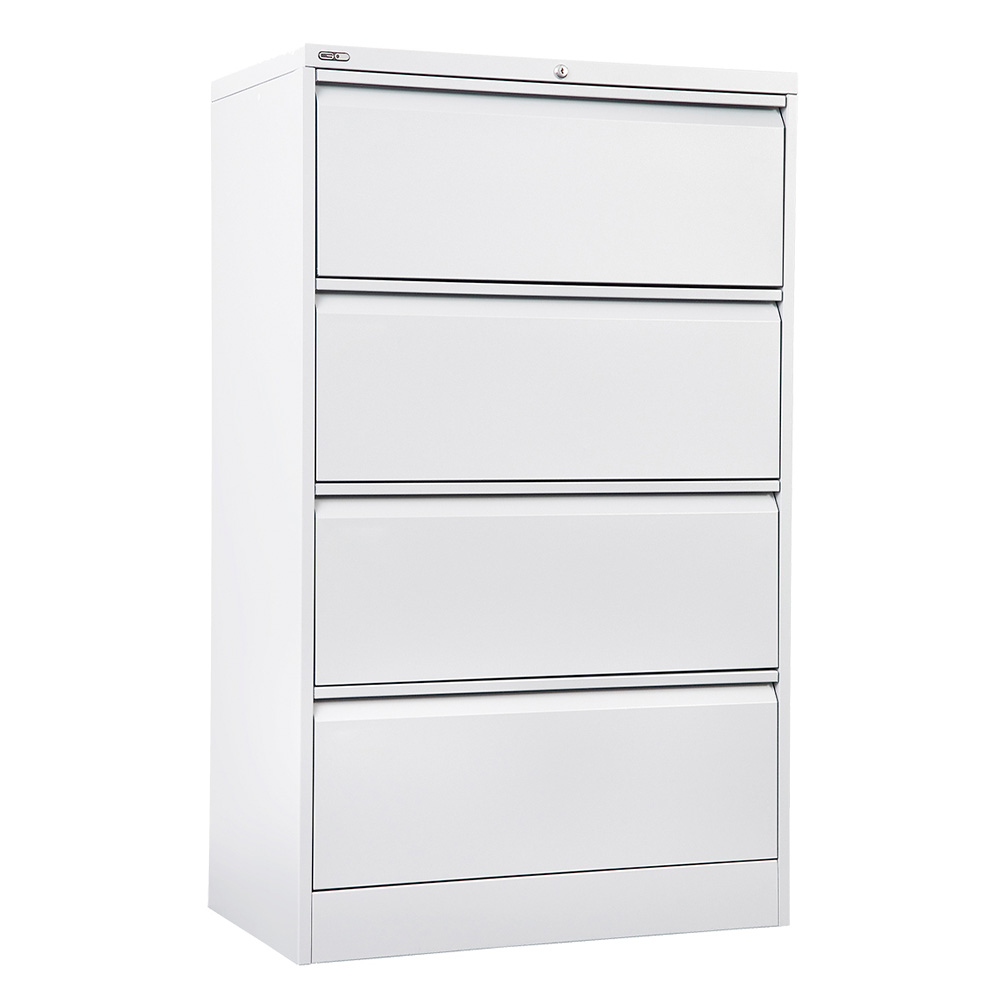
Businesses that manage large quantities of paperwork may also benefit from integrating dedicated filing cabinets alongside general-purpose storage cupboards to create a more comprehensive document management system.
2. Consider Workplace Layout and Available Space
Storage furniture should complement your office layout rather than create obstacles. Evaluate available floor space, traffic flow and workstation placement before selecting cabinet sizes. In many modern workplaces, efficient use of vertical space allows businesses to increase storage capacity without reducing valuable work areas.
Well-planned storage contributes to a cleaner and more organised office environment while helping maximise available workspace.
3. Determine Security Requirements
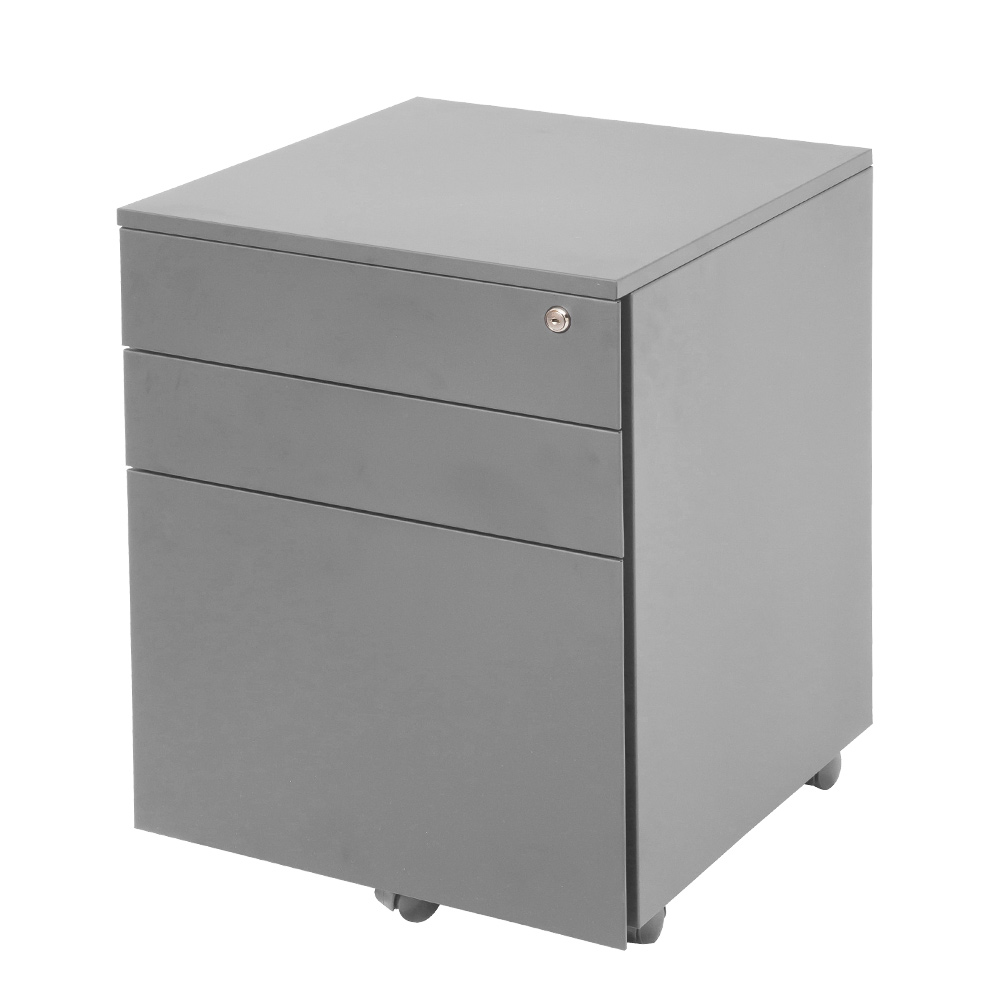
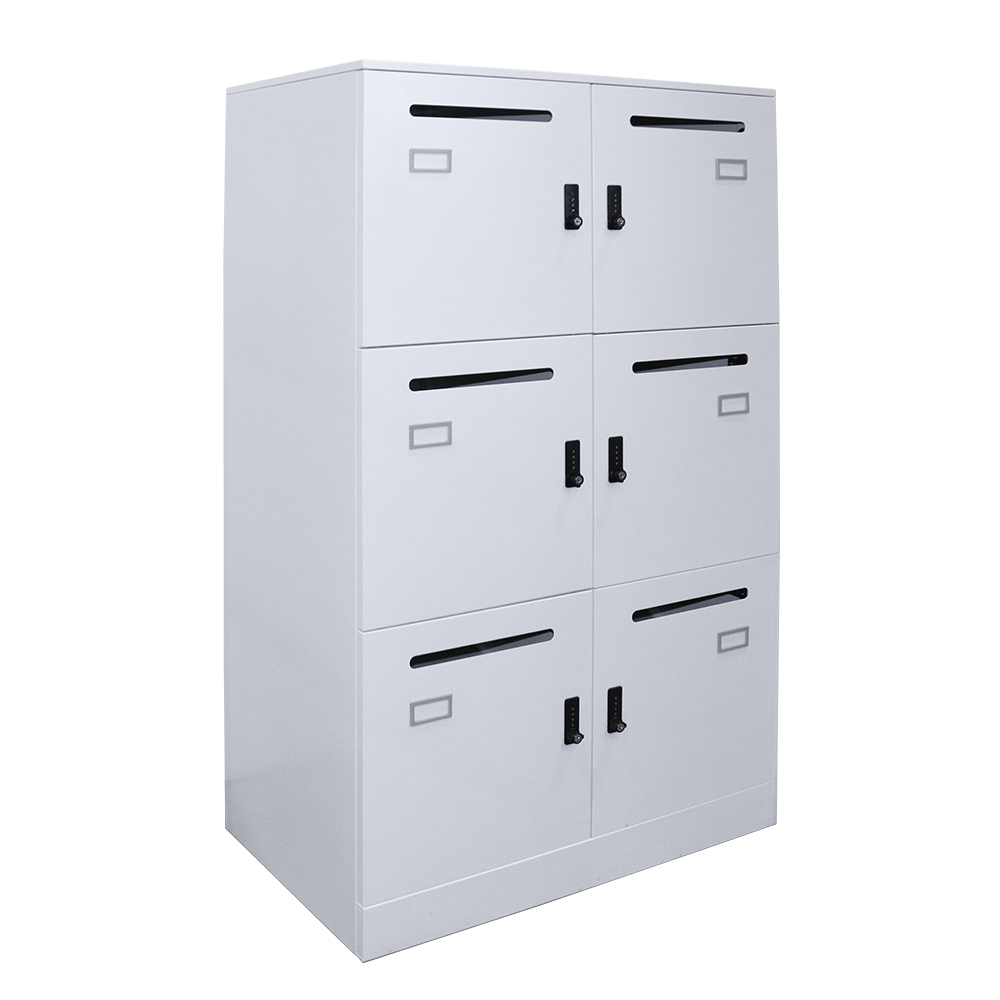
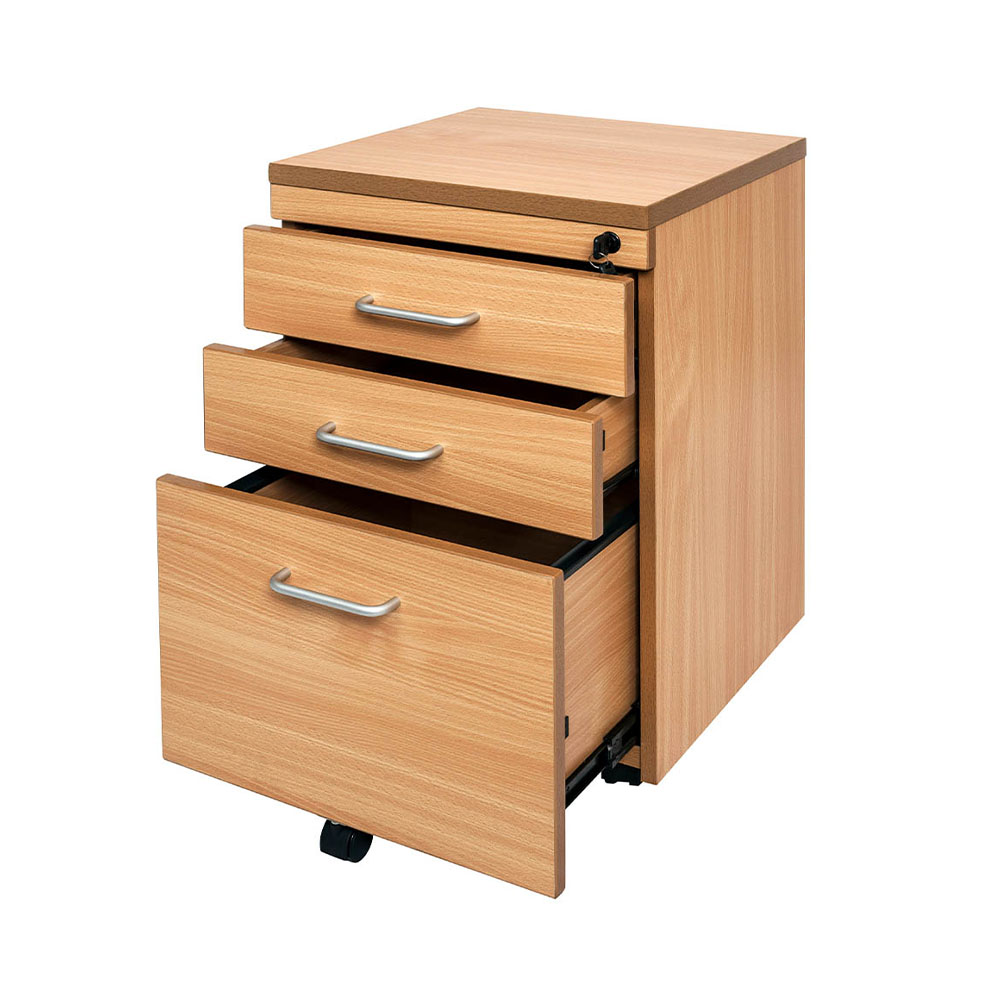
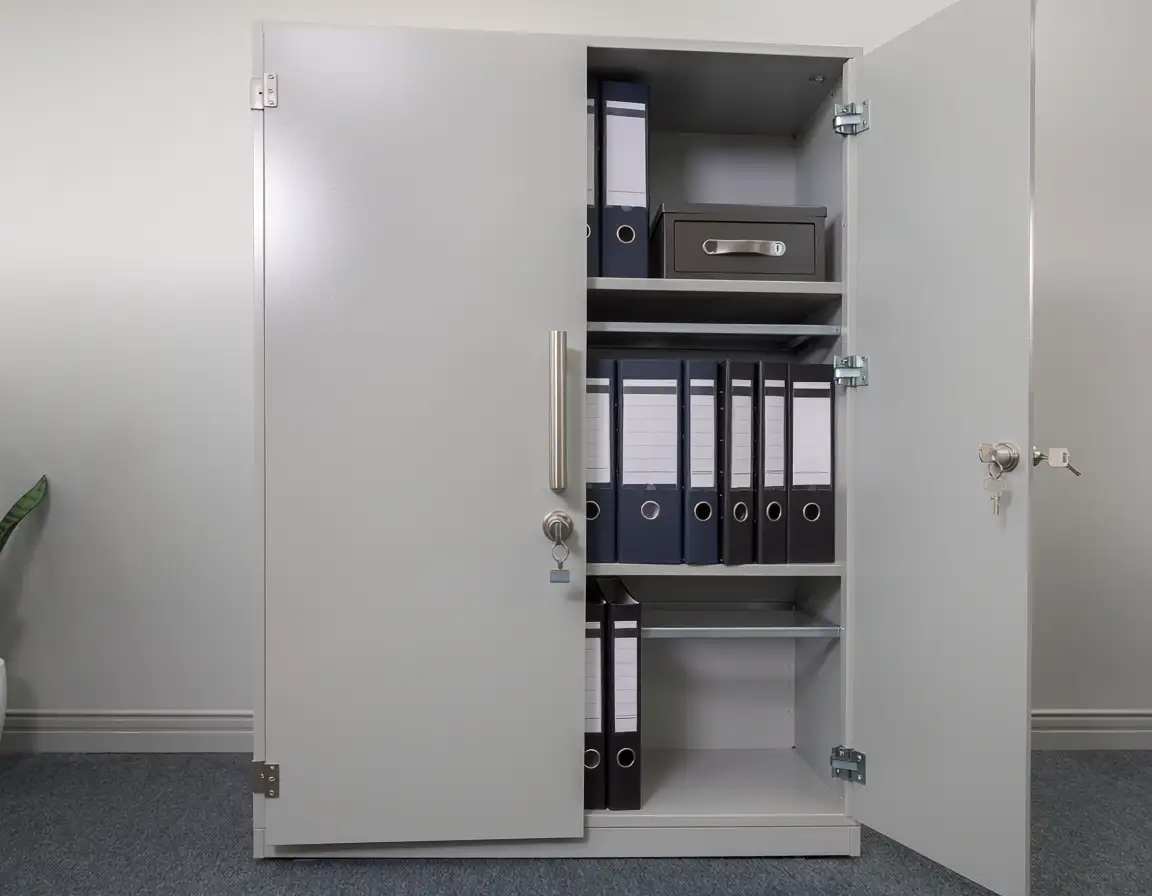
Many businesses store confidential information, valuable equipment or sensitive records that require secure storage. Lockable storage cabinets help protect workplace assets while supporting privacy and compliance obligations. Industries such as healthcare, education, legal services, finance and government often place a particularly high priority on secure document storage.
Choosing lockable storage solutions can provide additional peace of mind while helping reduce the risk of unauthorised access.
4. Think About Accessibility and Workflow
Frequently used materials should remain easy to access without disrupting workflow. Storage furniture should support day-to-day operations by allowing employees to quickly retrieve resources while maintaining organised workspaces. Items used less frequently can be stored in larger cupboards or archive storage areas to free up prime workspace.
A well-designed storage strategy improves efficiency by reducing time spent searching for documents, equipment and office supplies.
5. Plan for Future Business Growth
Storage requirements often increase as businesses expand. Selecting scalable storage solutions allows organisations to accommodate future growth without requiring a complete replacement of existing furniture. Modular storage systems and flexible workplace storage strategies help support changing operational requirements while protecting long-term investment.
Businesses planning future expansion should consider how storage furniture will integrate with broader workplace development plans.
6. Balance Open and Enclosed Storage
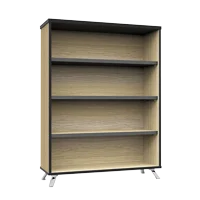
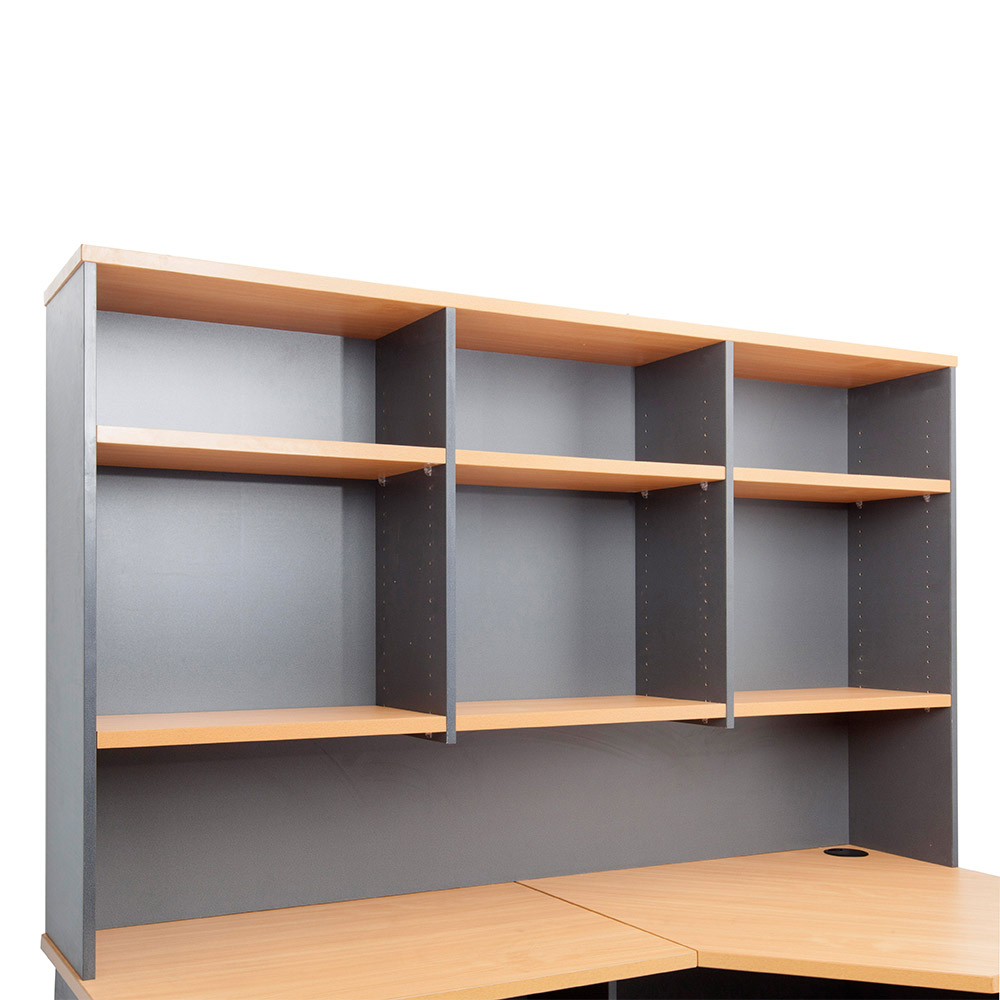
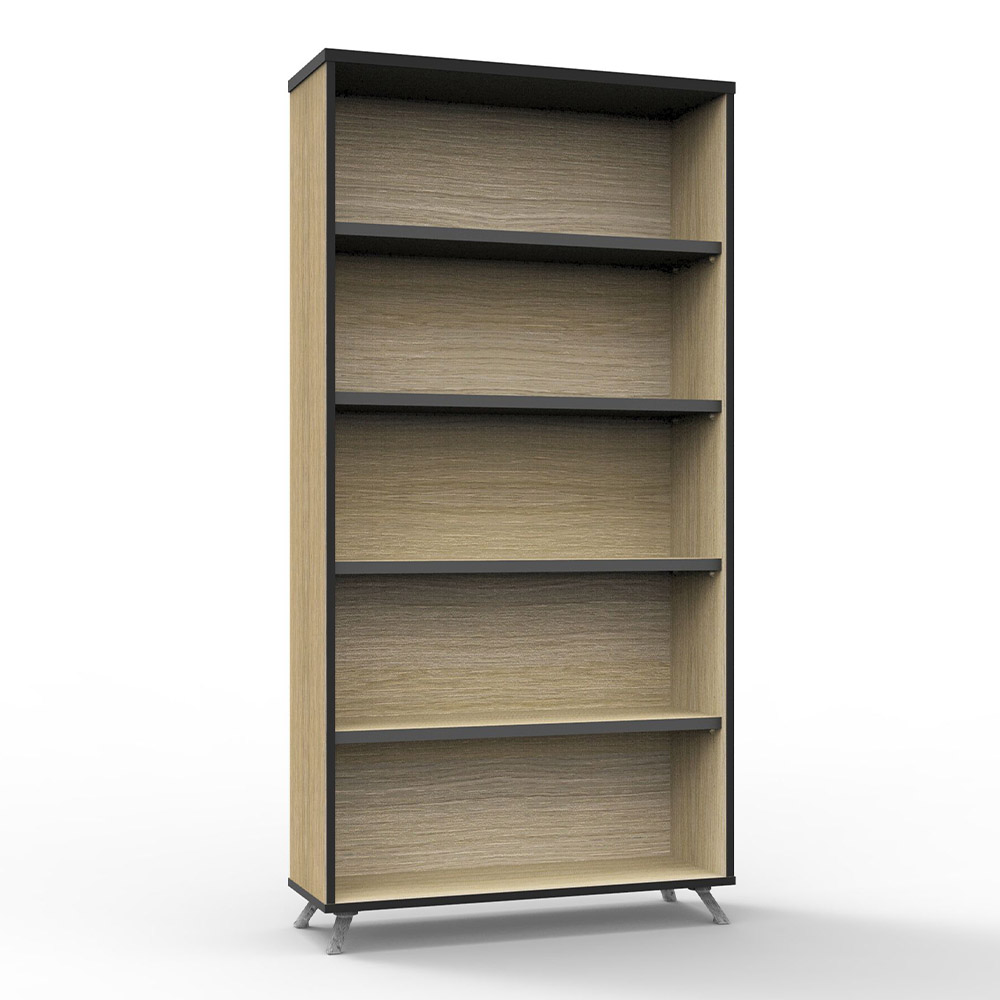
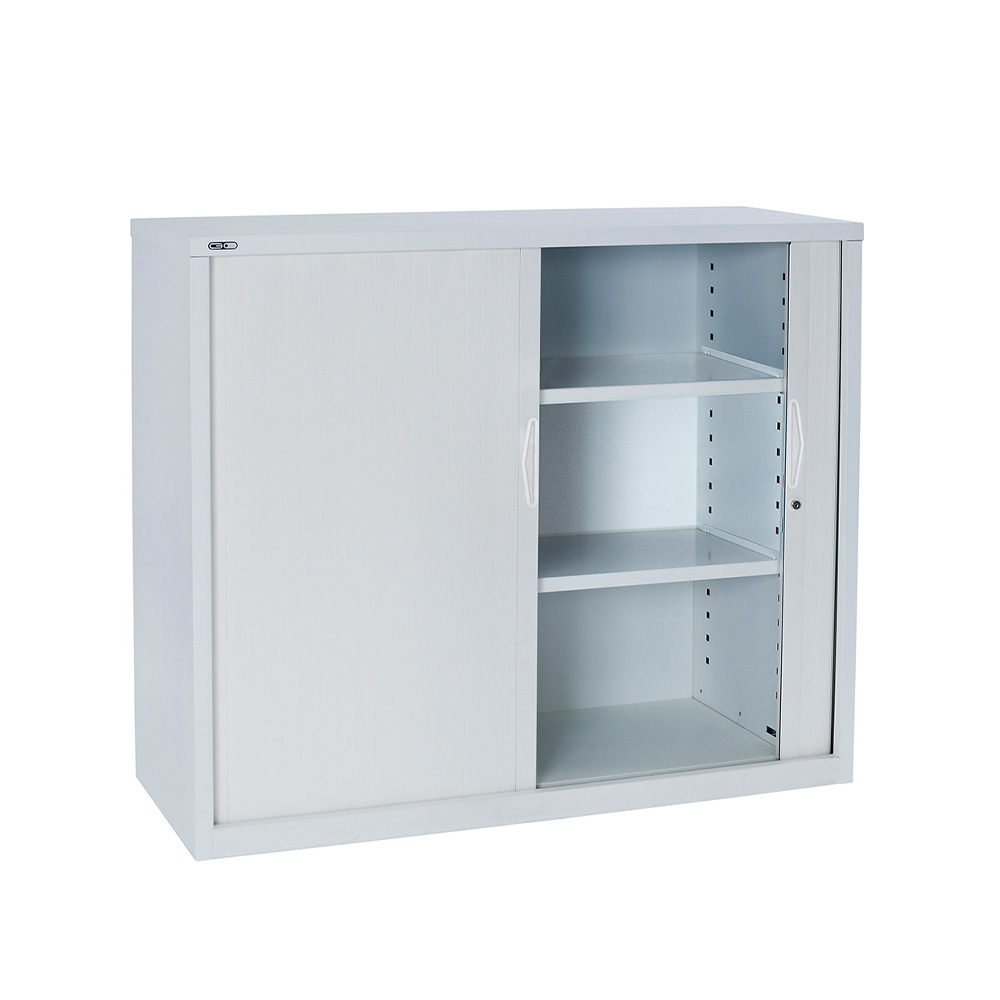
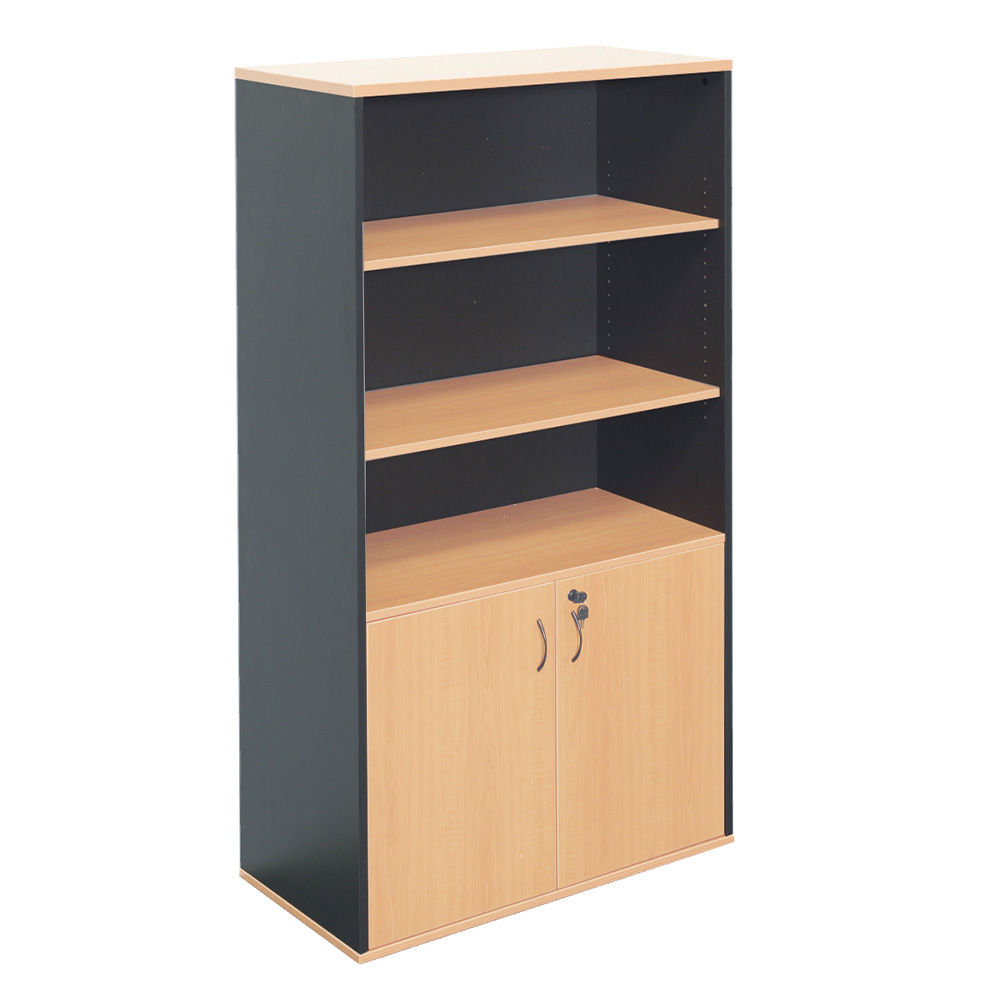
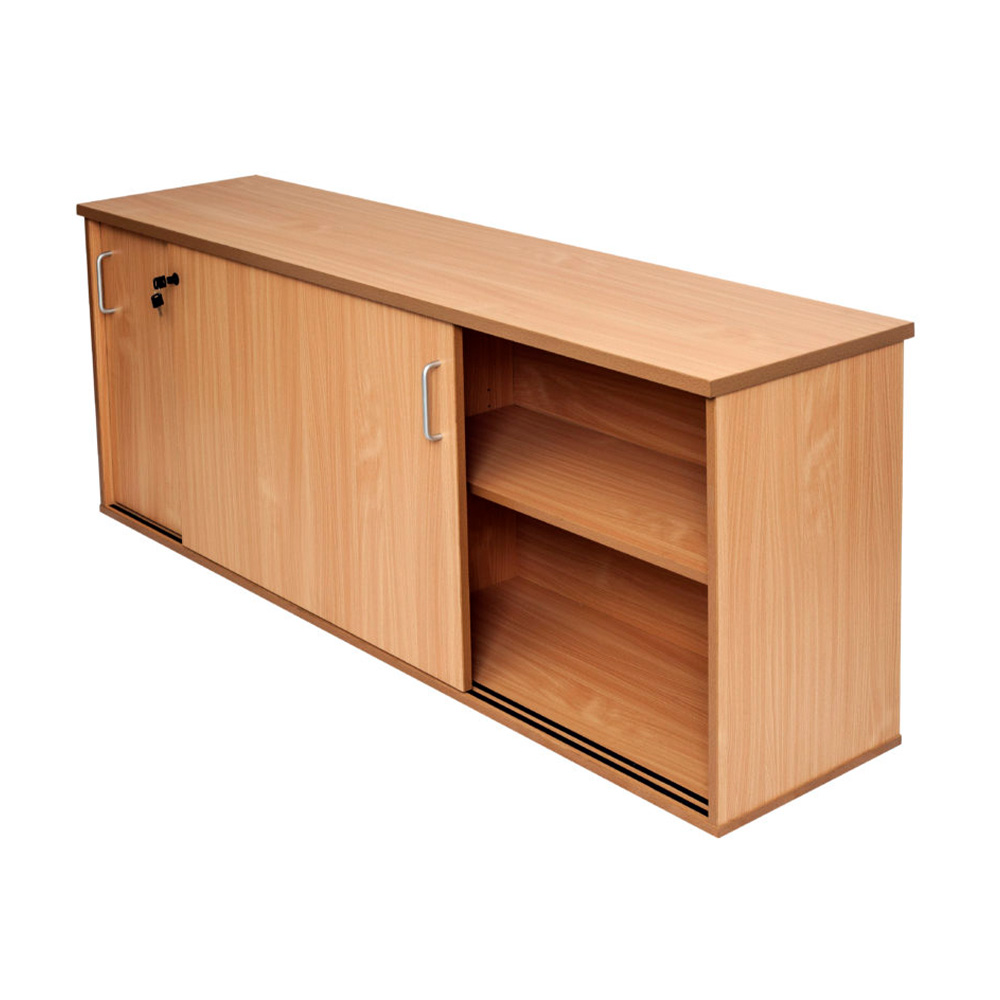
Many workplaces benefit from combining enclosed cabinets with open storage solutions. While cupboards help reduce visual clutter and conceal less attractive items, open bookcases and shelving provide easy access to frequently used materials and collaborative resources.
A balanced storage approach allows businesses to maintain organisation while supporting accessibility and workplace functionality.
7. Support Hybrid and Flexible Work Environments
Modern workplaces increasingly incorporate flexible work arrangements, shared workstations and collaborative spaces. Storage solutions should support these evolving workplace models by providing centralised access to resources while maintaining organisation and security.
Many businesses combine storage cabinets with secure office lockers to support hybrid working environments and flexible seating arrangements.
8. Integrate Storage into Office Fitout Planning
One of the most common mistakes during workplace design is underestimating storage requirements. Organisations undertaking office fitout projects often achieve better outcomes when storage planning is incorporated from the beginning. Considering storage alongside workstation layouts, meeting rooms and collaboration areas helps create a more efficient and future-ready workplace.
9. Focus on Quality and Durability
Commercial office furniture is subjected to daily use, making durability an important consideration. Investing in quality storage cabinets can reduce maintenance requirements, improve longevity and deliver better long-term value. Commercial-grade storage solutions are designed to withstand demanding workplace environments while maintaining their appearance and functionality over time.
Frequently Asked Questions
What should I store in office cabinets?
Office cabinets are ideal for documents, office supplies, technology equipment, archives and workplace resources that need to remain organised and accessible.
Are lockable office cabinets necessary?
Businesses storing confidential information, valuable equipment or sensitive records often benefit from lockable storage solutions.
How much office storage do I need?
Storage requirements depend on workforce size, document volumes, operational needs and future growth plans. Planning for expansion is generally recommended.
What is the difference between cupboards and filing cabinets?
Cupboards provide versatile storage for a wide range of items, while filing cabinets are specifically designed for document organisation and retrieval.
Can storage cabinets improve workplace productivity?
Yes. Organised workplaces reduce clutter, improve efficiency and make it easier for employees to locate resources when needed.
Should storage be included during office fitout planning?
Absolutely. Storage is a critical component of workplace functionality and should be considered during the earliest stages of office design.
The right storage furniture can transform workplace organisation, improve productivity and support future growth. Whether you’re upgrading an existing workspace or planning a new fitout, investing in quality office storage solutions helps create a more efficient, organised and professional business environment.