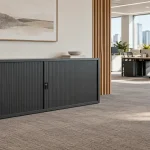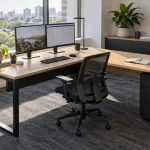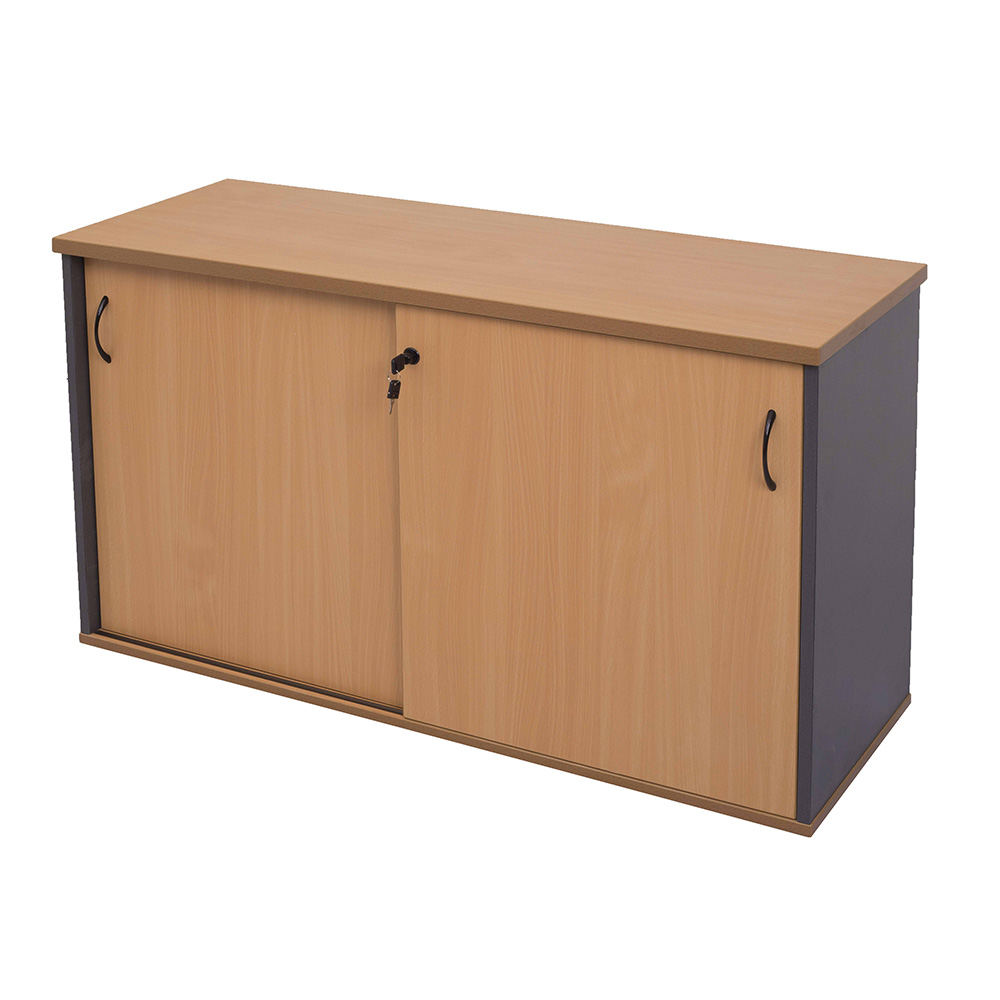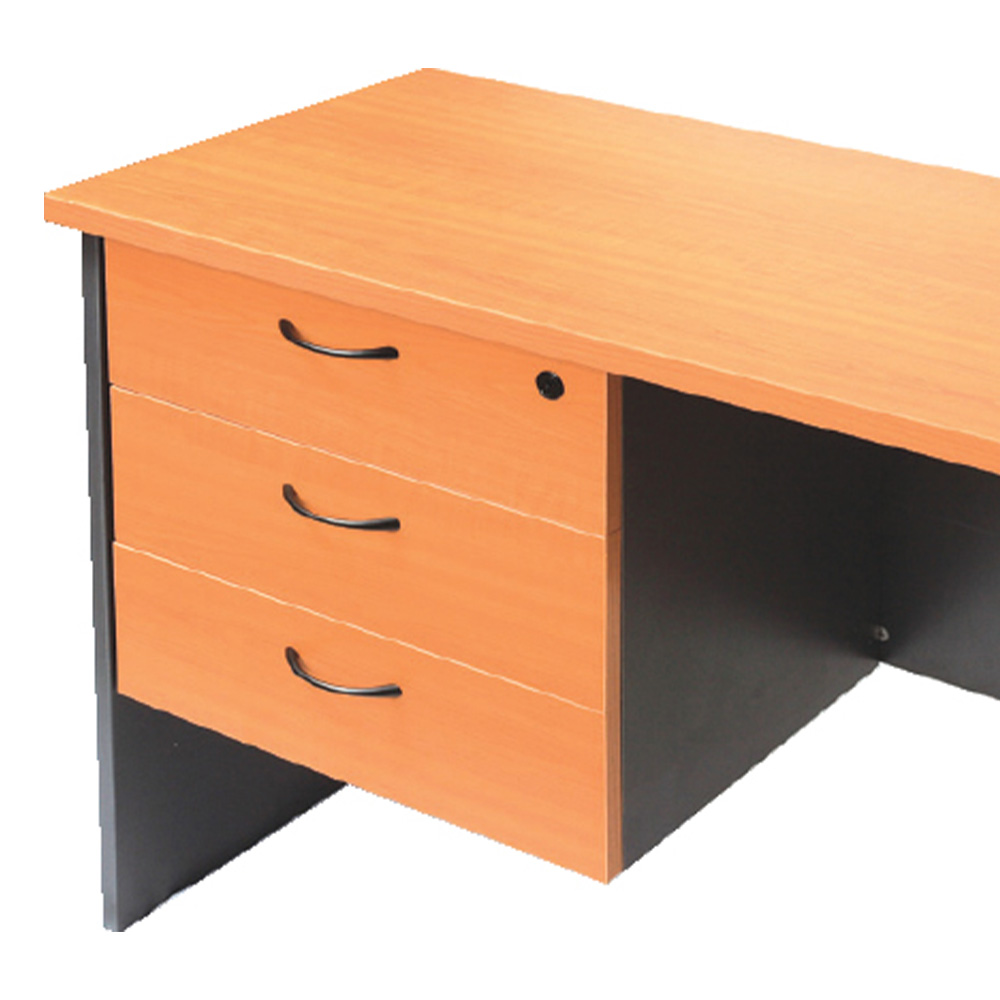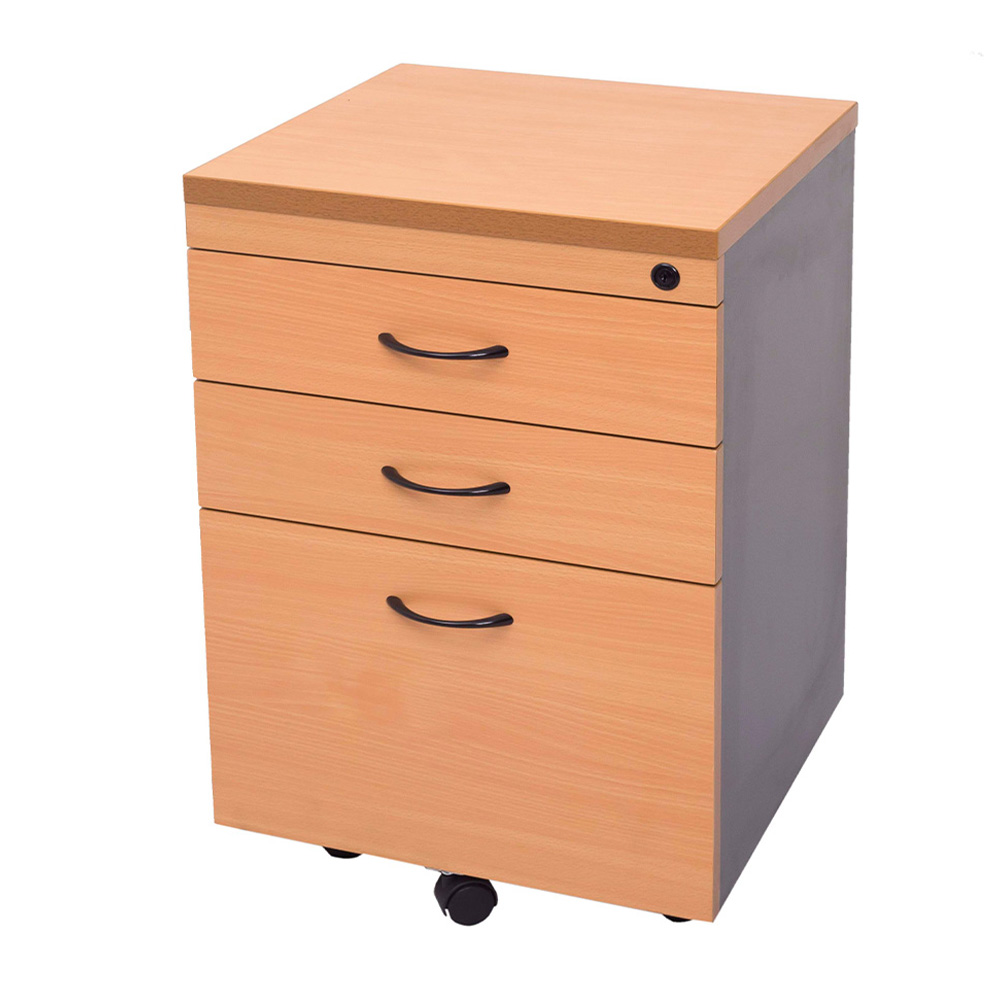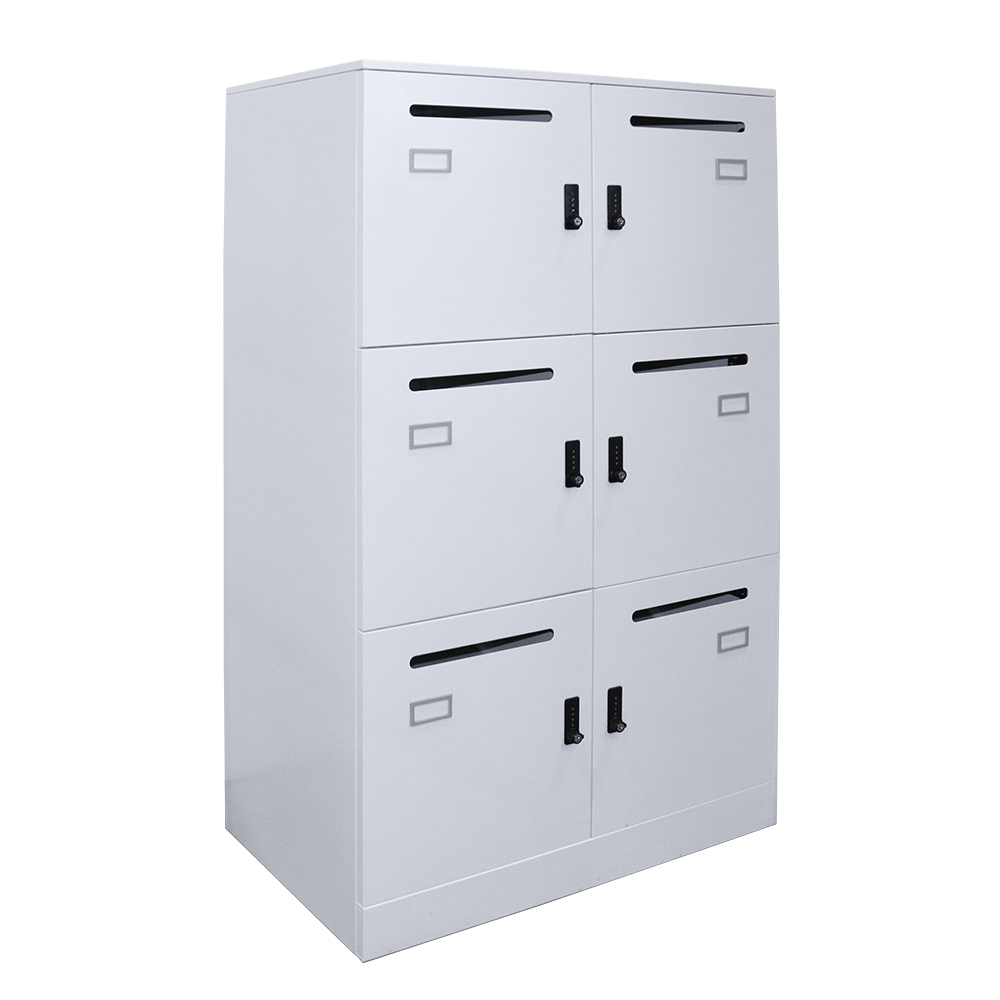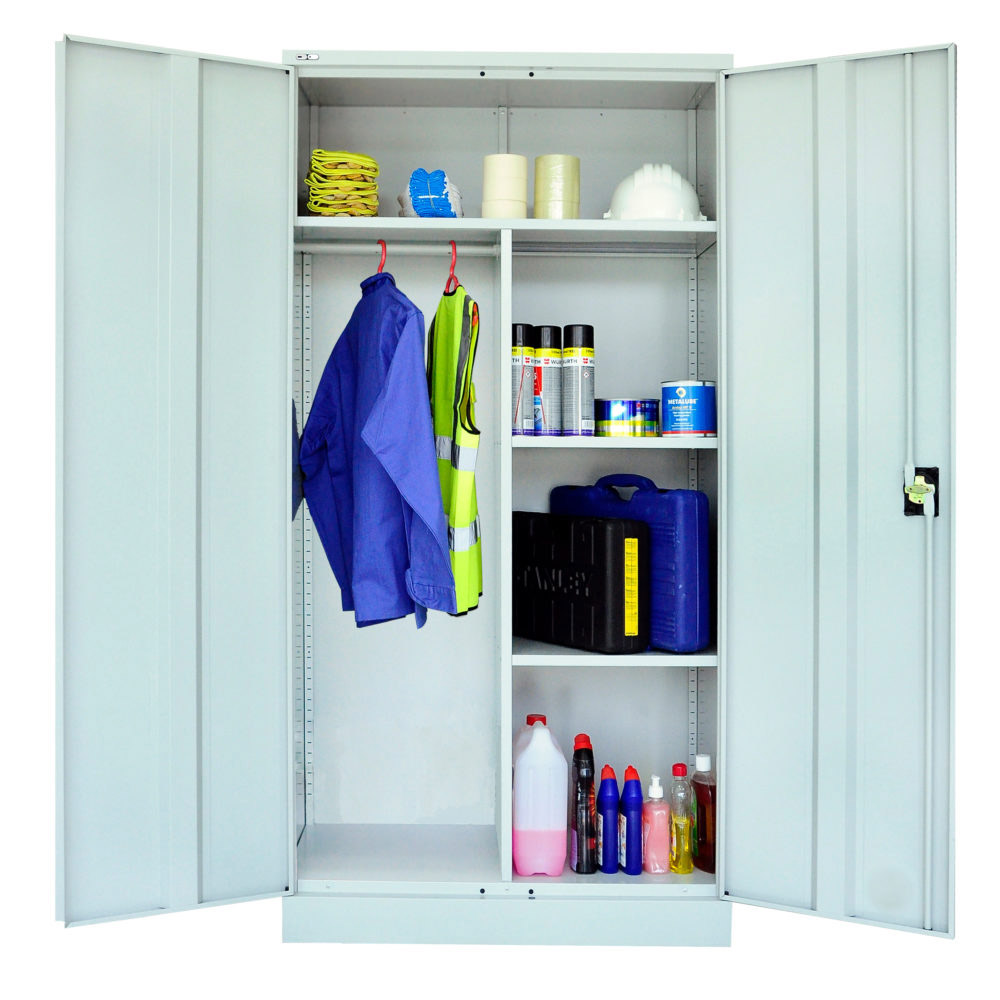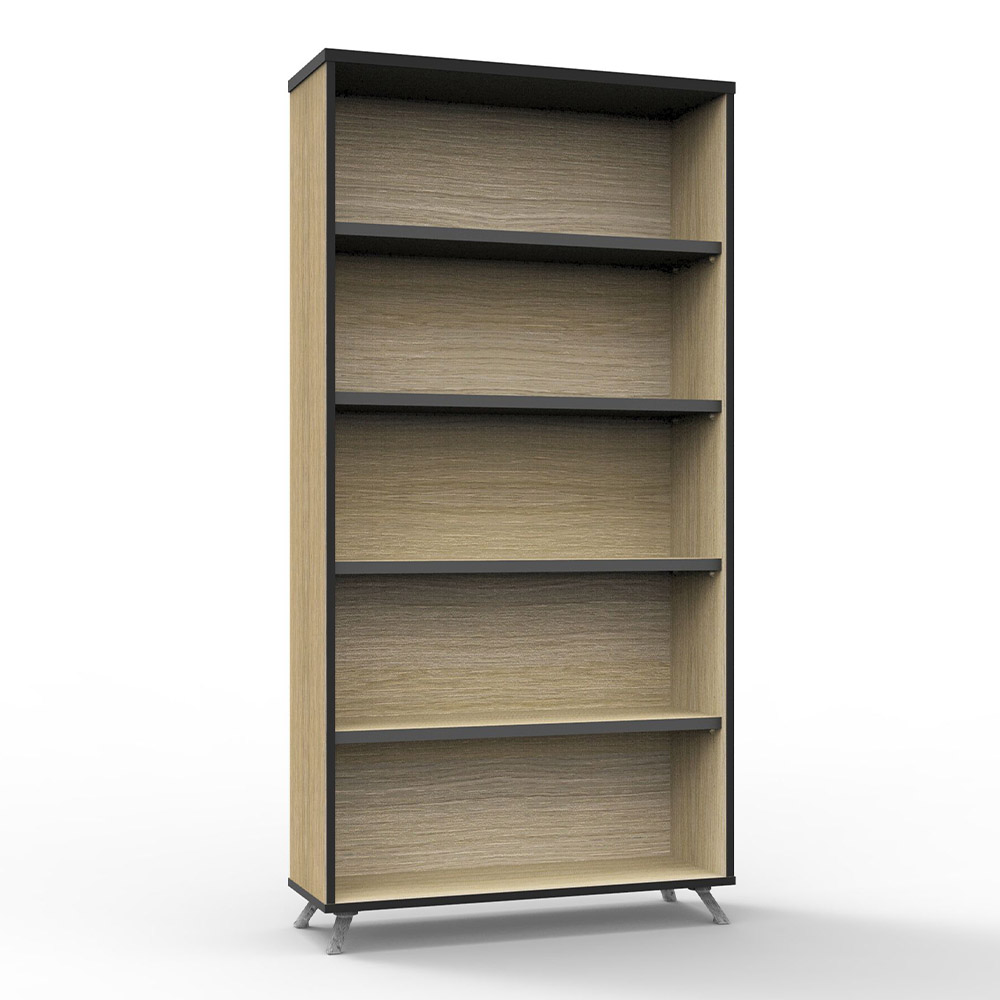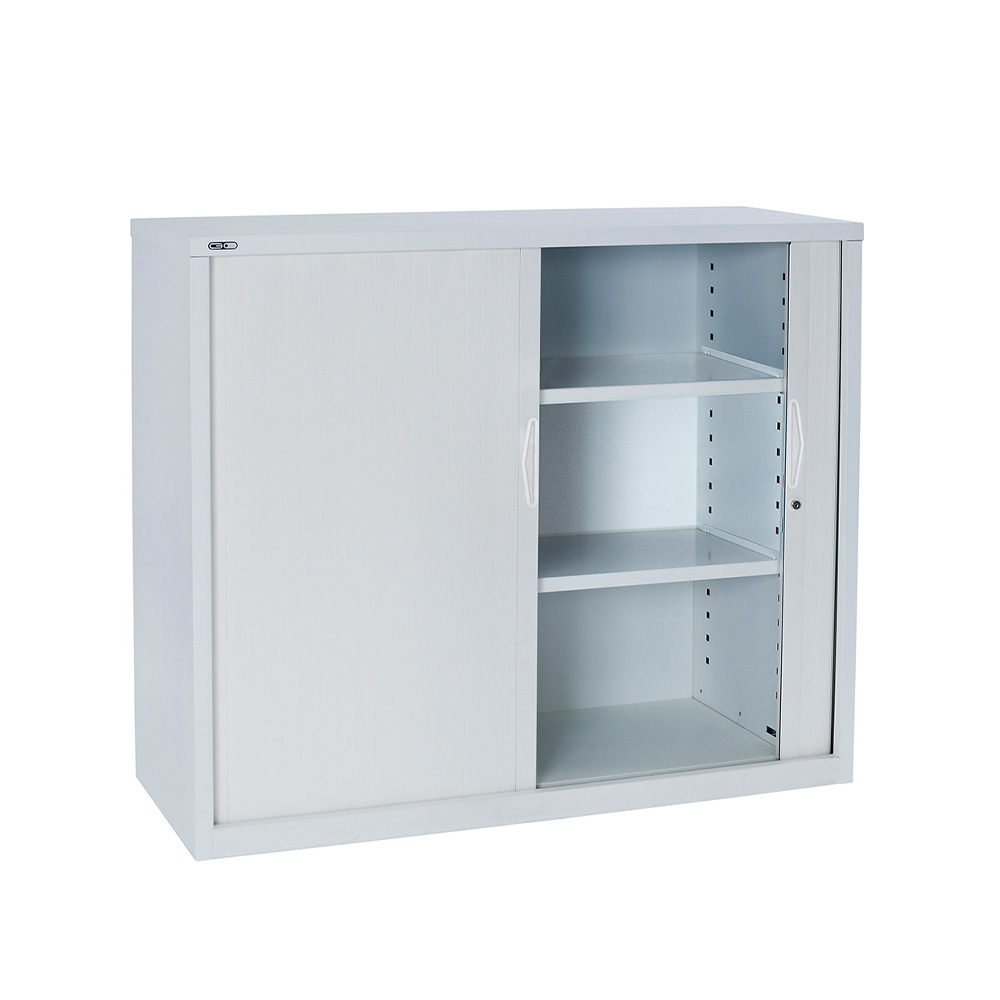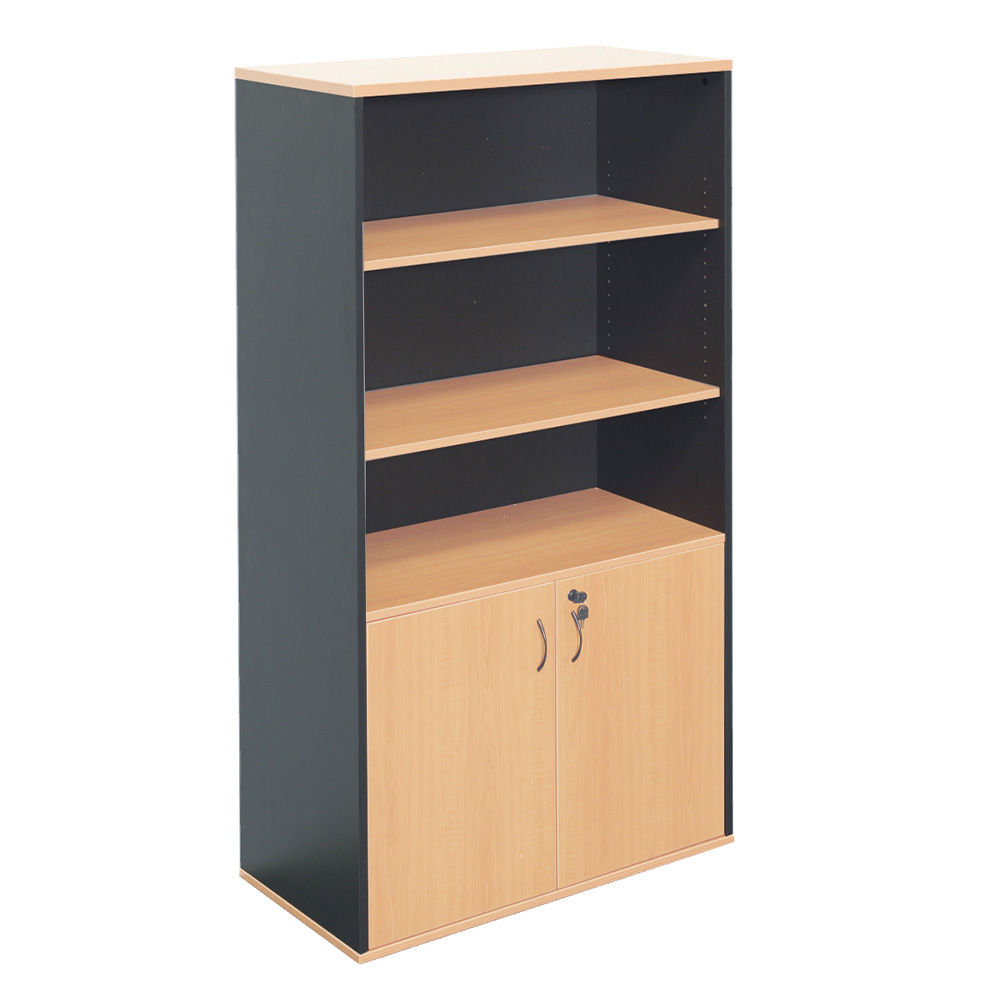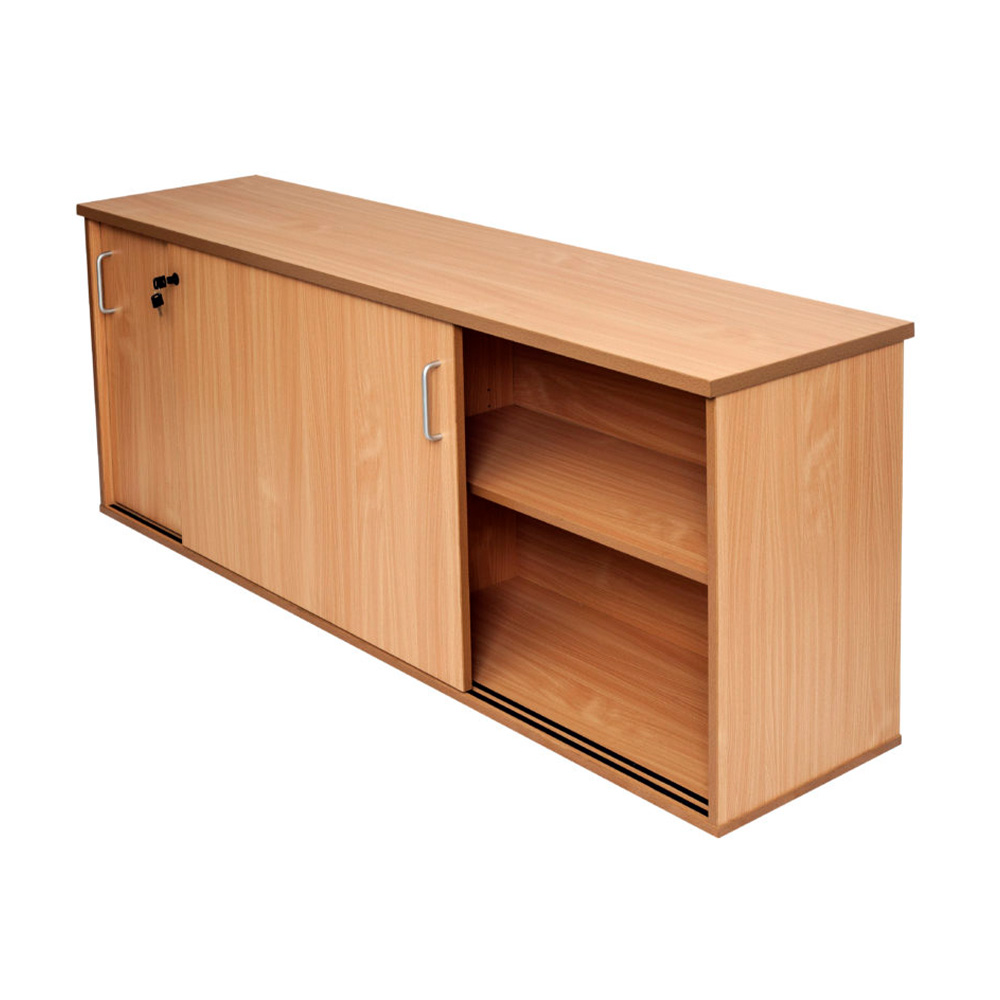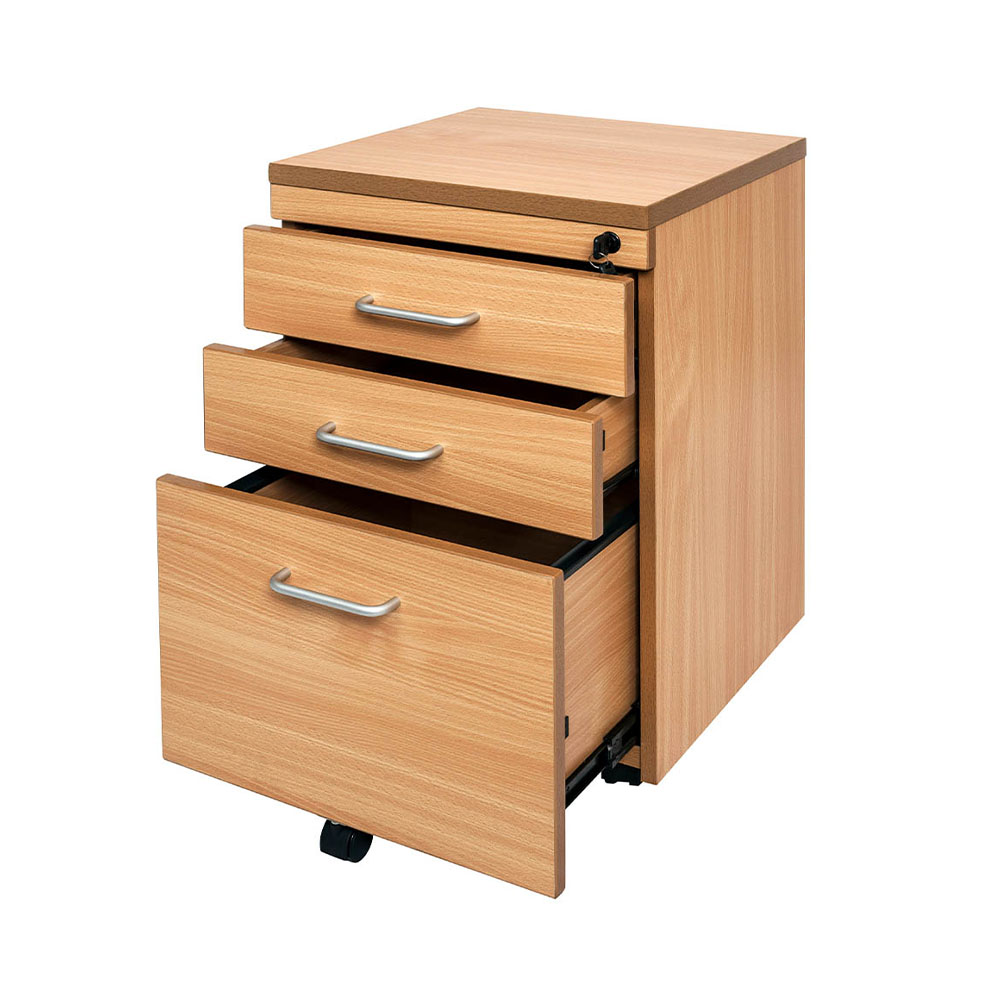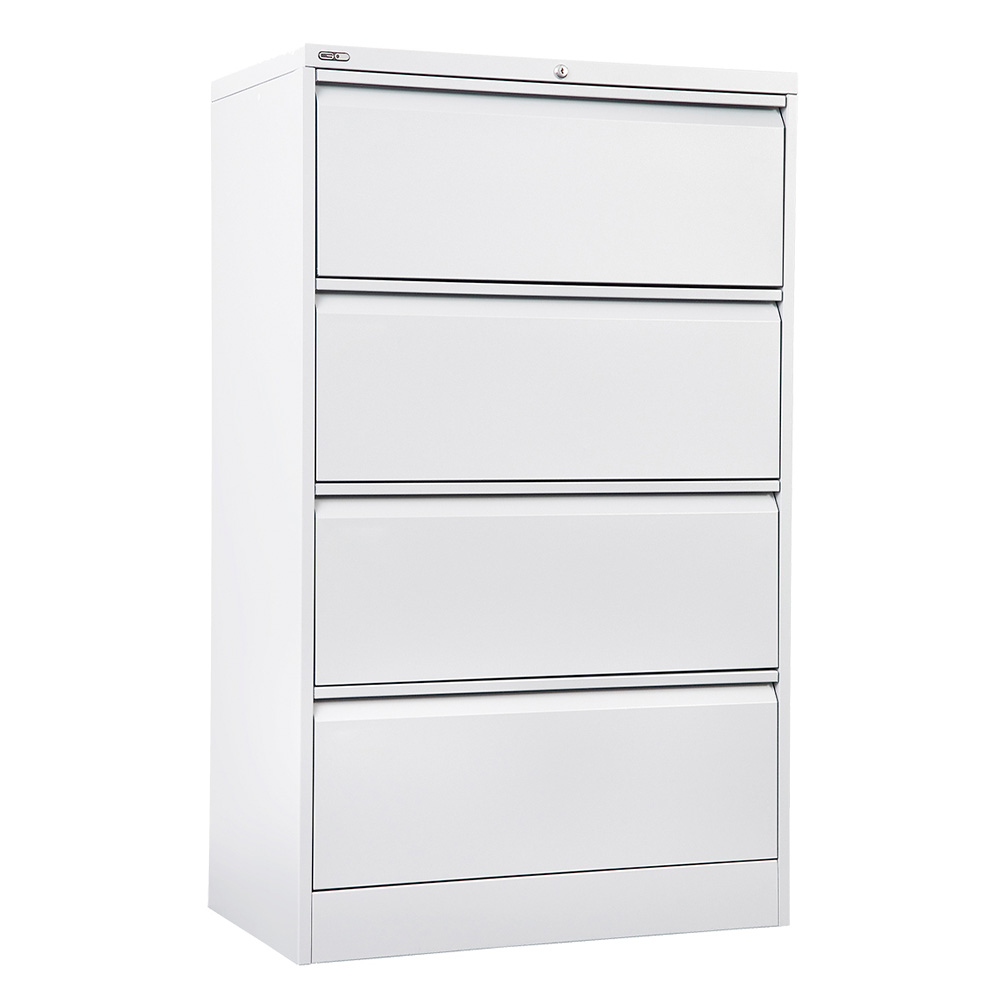
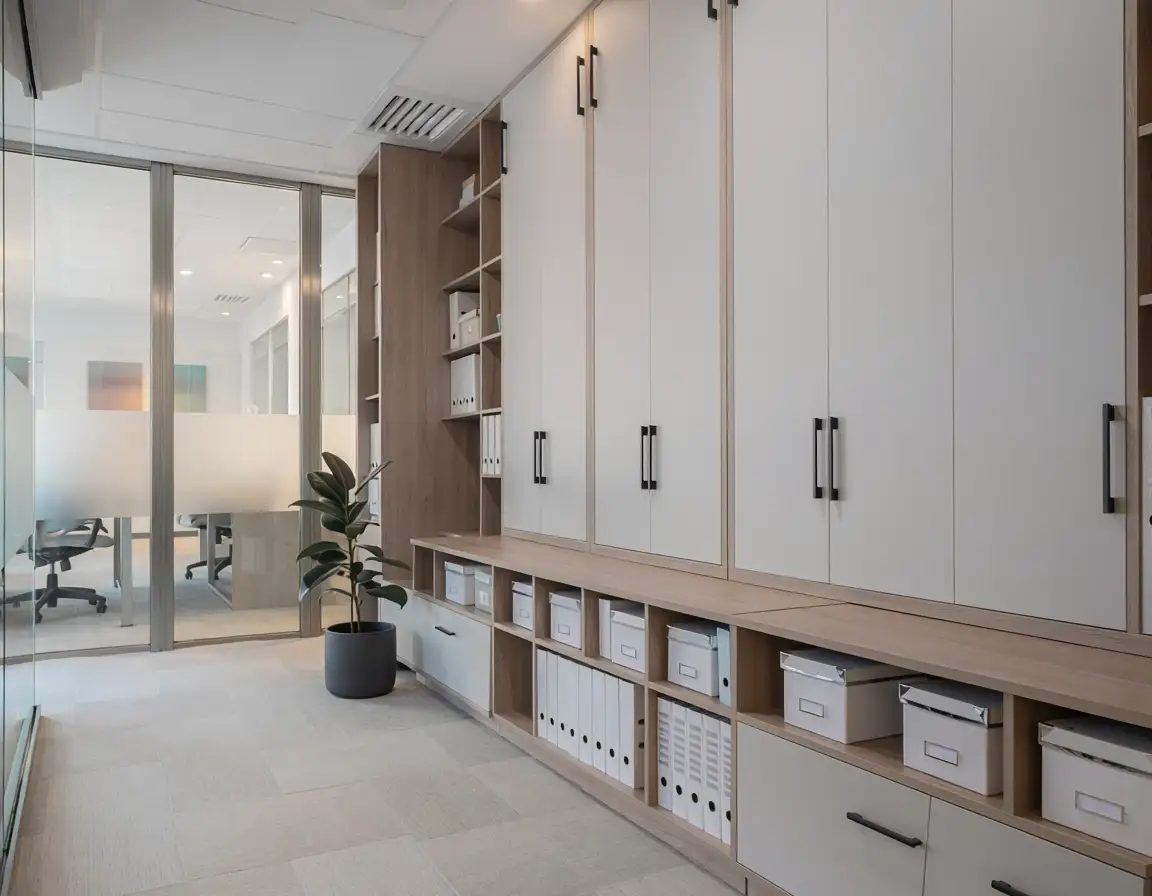
Effective workplace organisation starts with having the right storage systems in place. While desks and seating often receive the most attention during an office fitout, storage solutions play a critical role in maintaining productivity, improving workflow and creating a professional environment. Modern office cabinets and cupboards provide businesses with a practical way to store documents, equipment, stationery and workplace essentials while reducing clutter and making better use of available space.
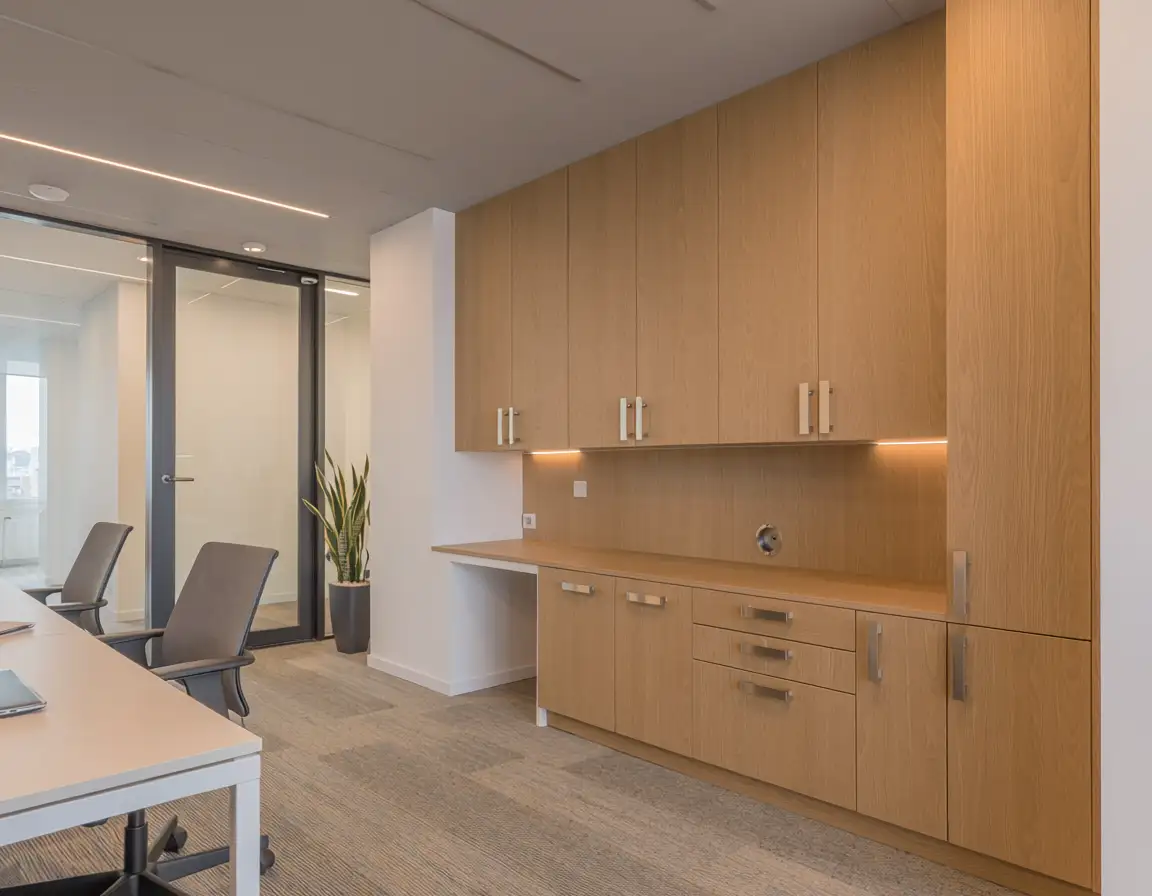
As workplaces continue to evolve, businesses are placing greater emphasis on flexible, organised and efficient environments. Storage furniture has become an important component of workplace design, helping employees access what they need while maintaining clean and professional workspaces. Whether furnishing a small office, large corporate workspace, educational facility or government department, selecting the right storage solutions can significantly improve day-to-day operations.
1. Why Office Cabinets and Cupboards Remain Essential
Despite the growth of digital document management, physical storage remains a necessity for most organisations. Contracts, records, office supplies, technology equipment and operational resources still require secure and accessible storage. Well-designed cabinets and cupboards help businesses maintain organisation while supporting compliance, security and workplace efficiency.
Unlike open storage solutions, enclosed cupboards provide a cleaner visual appearance by keeping workplace materials hidden from view. This contributes to a more professional environment while reducing distractions and improving overall workplace presentation.
2. Reducing Workplace Clutter Improves Productivity
Cluttered workspaces can negatively impact focus, efficiency and employee wellbeing. When documents, equipment and supplies accumulate on desks or communal surfaces, productivity often suffers. Strategic storage planning allows businesses to create organised work environments where employees can quickly locate the resources they need.
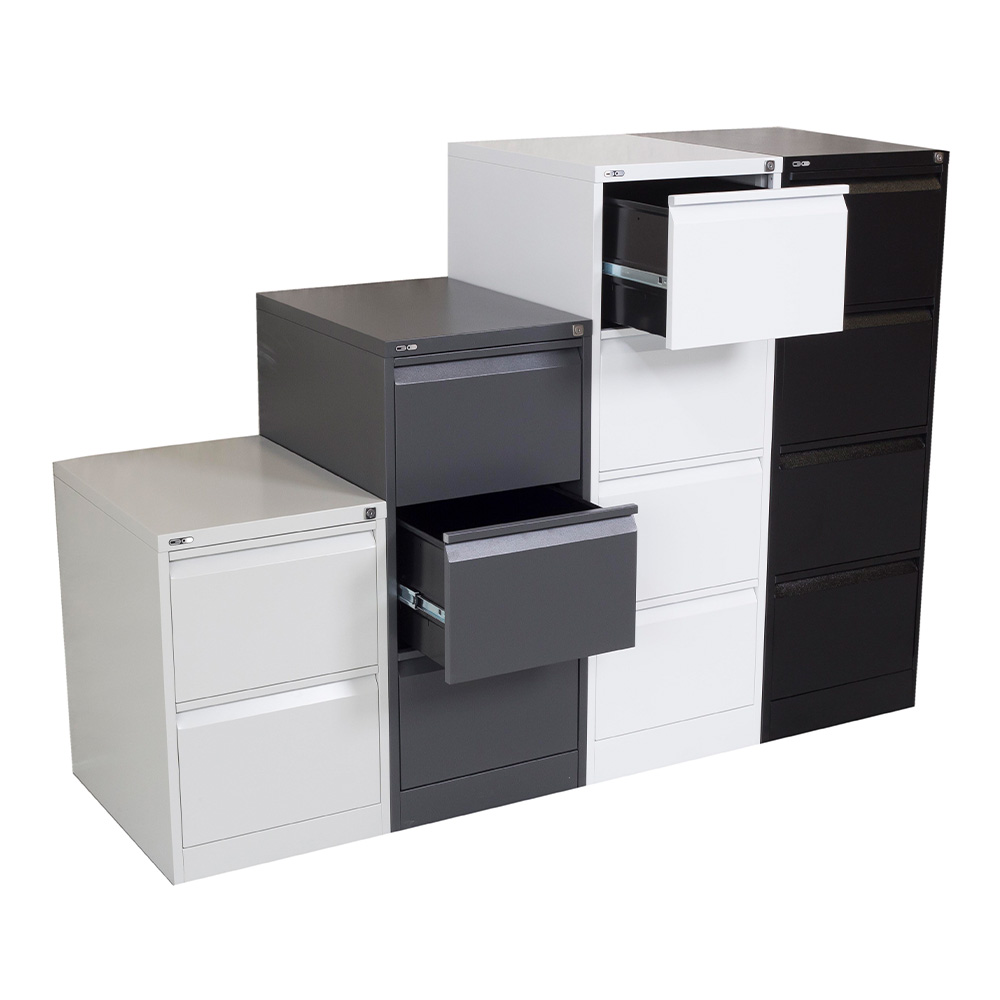
Combining storage cupboards with complementary solutions such as filing cabinets can create a complete storage system that supports both daily operations and long-term document management requirements.
3. Storage Security Matters More Than Ever
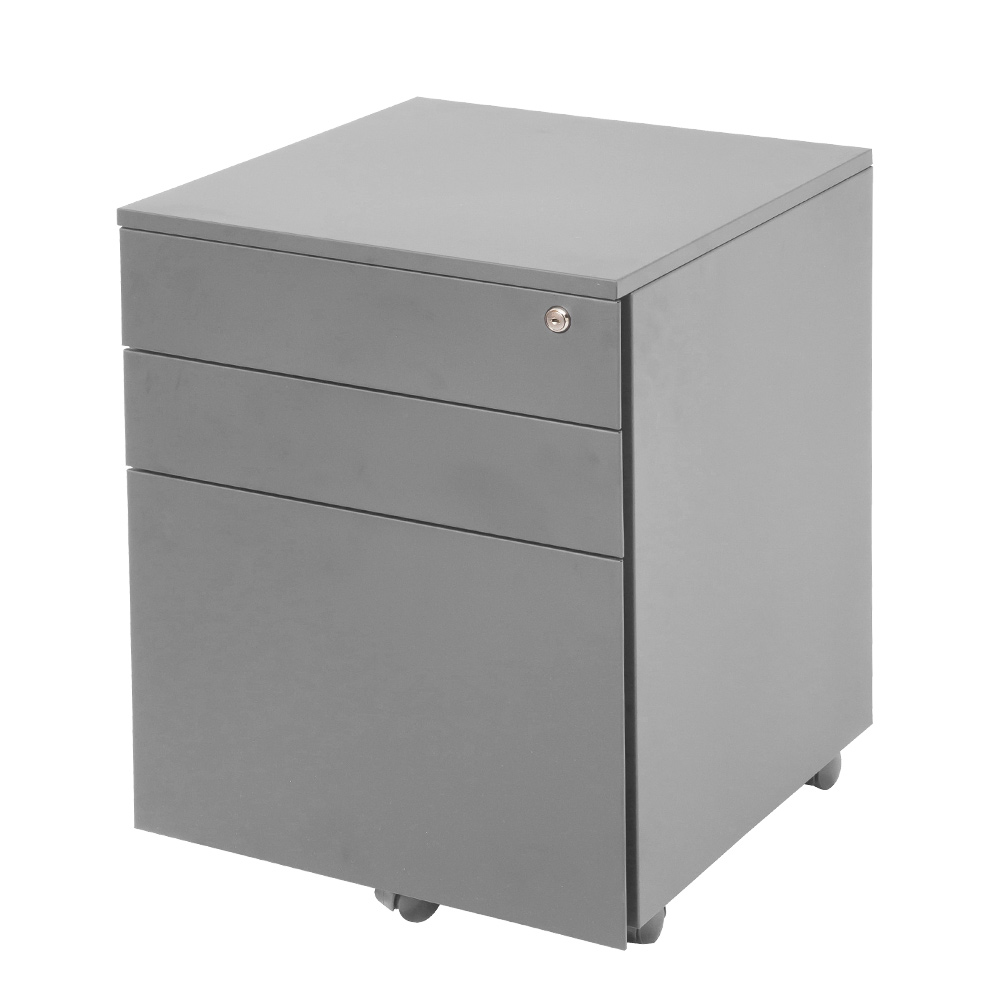
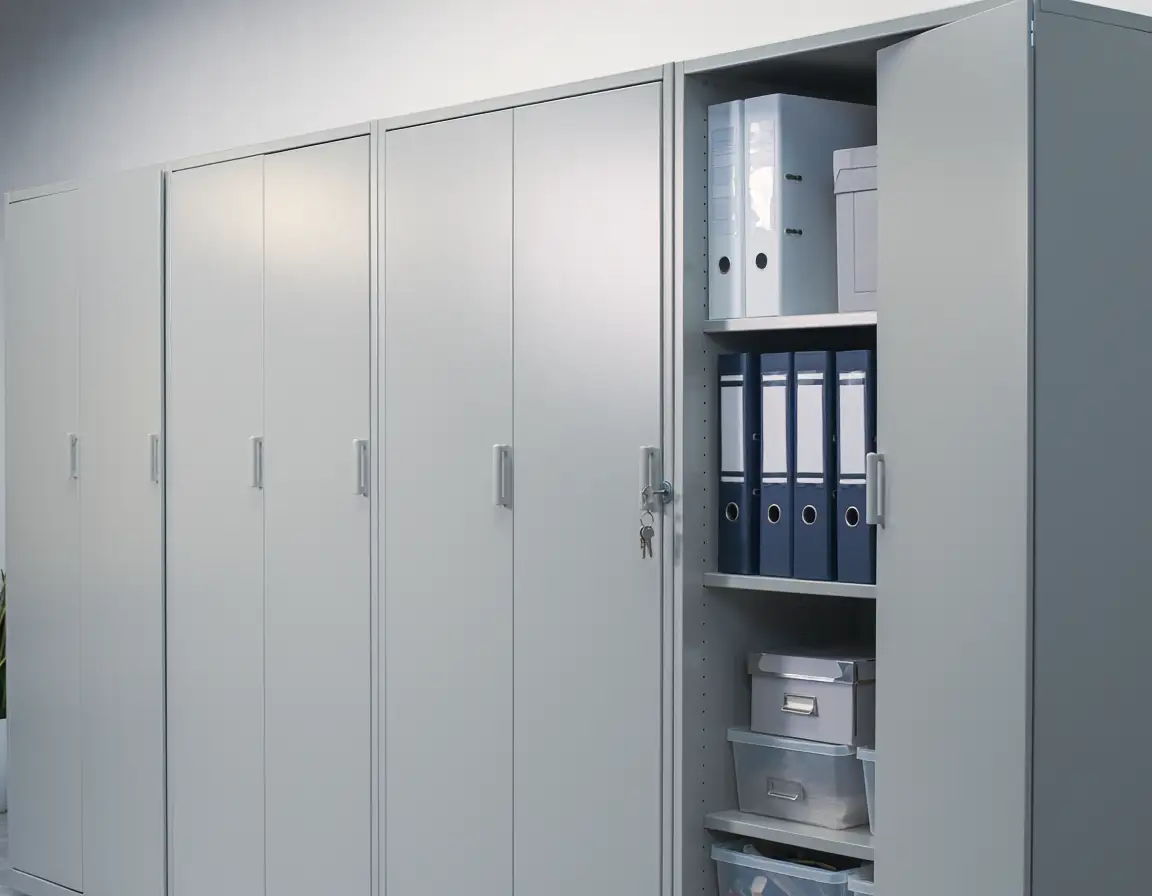
Many organisations handle sensitive information, confidential documents and valuable equipment that require secure storage. Lockable office cupboards provide an additional layer of protection while helping businesses meet privacy, compliance and security obligations. This is particularly important within healthcare, education, finance, legal and government environments where information security is a priority.
Secure storage also helps protect workplace technology, reducing the risk of loss, theft or unauthorised access outside normal operating hours.
4. Maximising Office Space Through Smarter Storage
Commercial office space represents a significant investment, making efficient space utilisation essential. Modern storage cupboards are designed to maximise vertical and underutilised areas while minimising floor space requirements. By integrating storage into overall workplace planning, businesses can create more efficient layouts that support productivity and future growth.
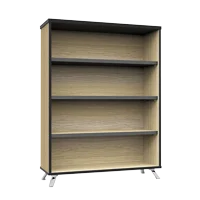
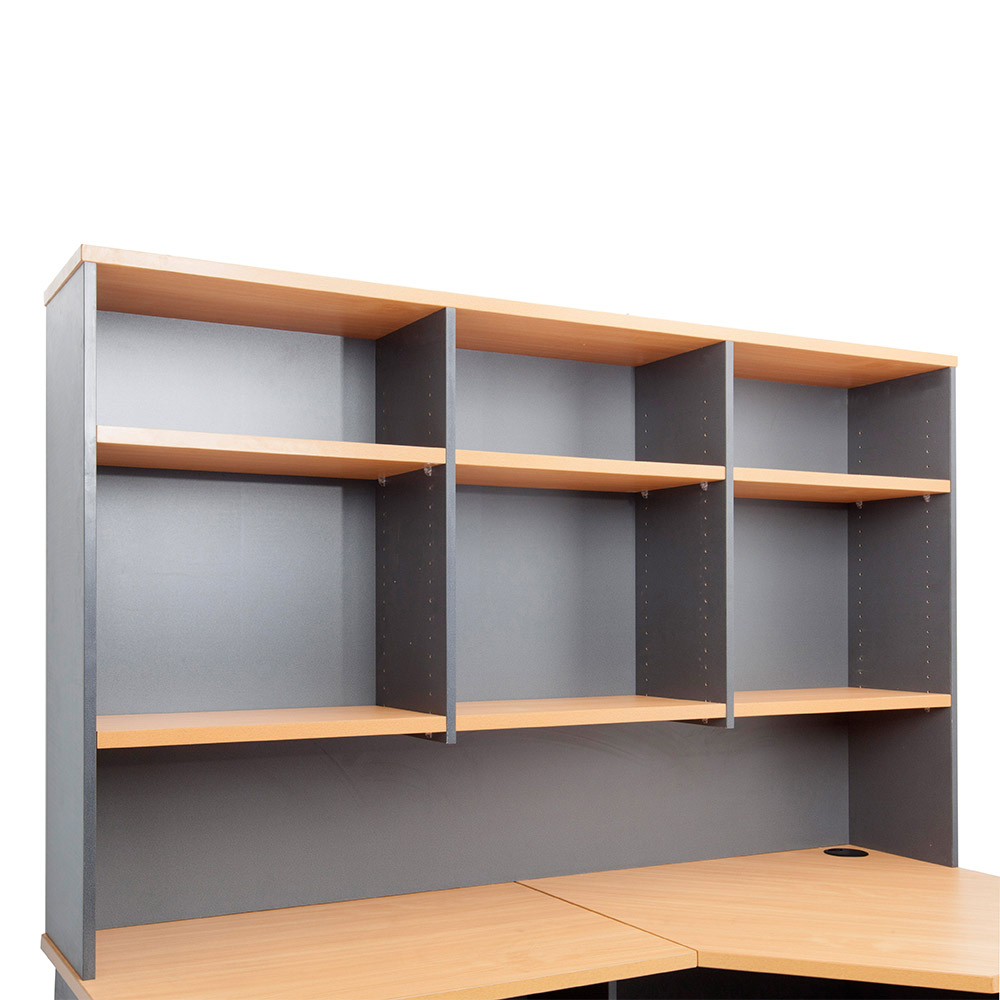
Many organisations combine cupboards with bookcases and shelving to create a balanced storage solution that accommodates both frequently accessed materials and items requiring longer-term storage.
5. Supporting Hybrid and Flexible Work Environments
Hybrid work models have changed how businesses use office space. Shared workstations, hot-desking arrangements and flexible team environments require storage solutions that support changing workplace requirements. Cabinets and cupboards help centralise resources while reducing reliance on individual desk storage.
When combined with secure office lockers, businesses can create flexible workplaces that accommodate both permanent and mobile employees while maintaining workplace organisation.
6. Creating a Professional Workplace Appearance
Workplace presentation influences employee perceptions, visitor impressions and overall brand image. Organised environments often appear more professional, efficient and trustworthy. High-quality storage furniture helps maintain clean sightlines, reduce visible clutter and create a more polished workplace aesthetic.
Storage solutions are particularly valuable in client-facing environments, executive offices and reception areas where appearance contributes directly to the customer experience.
7. Storage Planning During Office Fitouts
One of the most common workplace design mistakes is treating storage as an afterthought. Successful businesses incorporate storage requirements into the early stages of workplace planning. Organisations undertaking office fitout projects often achieve better long-term outcomes when storage needs are considered alongside workstation design, collaboration zones and meeting spaces.
Proper planning ensures storage systems support current operational requirements while allowing flexibility for future growth.
8. Choosing the Right Office Cabinets and Cupboards
Selecting appropriate storage furniture requires consideration of several factors, including storage volume, security requirements, available floor space, workplace layout and intended use. Businesses should evaluate whether storage will be accessed daily, shared between teams or used primarily for archive purposes.
Many workplaces benefit from integrating cupboards into a broader office storage strategy that combines multiple storage solutions to meet different operational requirements.
Frequently Asked Questions
What are office cabinets and cupboards used for?
Office cabinets and cupboards are used to store documents, office supplies, equipment, personal belongings and workplace resources while maintaining organisation and reducing clutter.
Are lockable office cupboards worth it?
Yes. Lockable cupboards help protect confidential documents, valuable equipment and sensitive workplace information.
How do cupboards improve workplace productivity?
By reducing clutter and improving organisation, cupboards help employees locate resources more efficiently and maintain focused workspaces.
What is the difference between cupboards and filing cabinets?
Cupboards are generally used for broader storage requirements, while filing cabinets are specifically designed to organise and store documents.
Can office cupboards be used in hybrid workplaces?
Absolutely. They provide centralised storage that supports flexible work environments and shared workspaces.
When should storage be considered during an office fitout?
Storage planning should be included from the beginning of any office fitout to ensure efficient space utilisation and long-term workplace functionality.
Businesses that invest in effective storage systems often experience improvements in organisation, productivity and workplace presentation. Whether supporting a small office, large corporate environment or complete workplace transformation, quality office cabinets and cupboards remain one of the most practical investments for creating a more efficient and professional workplace.