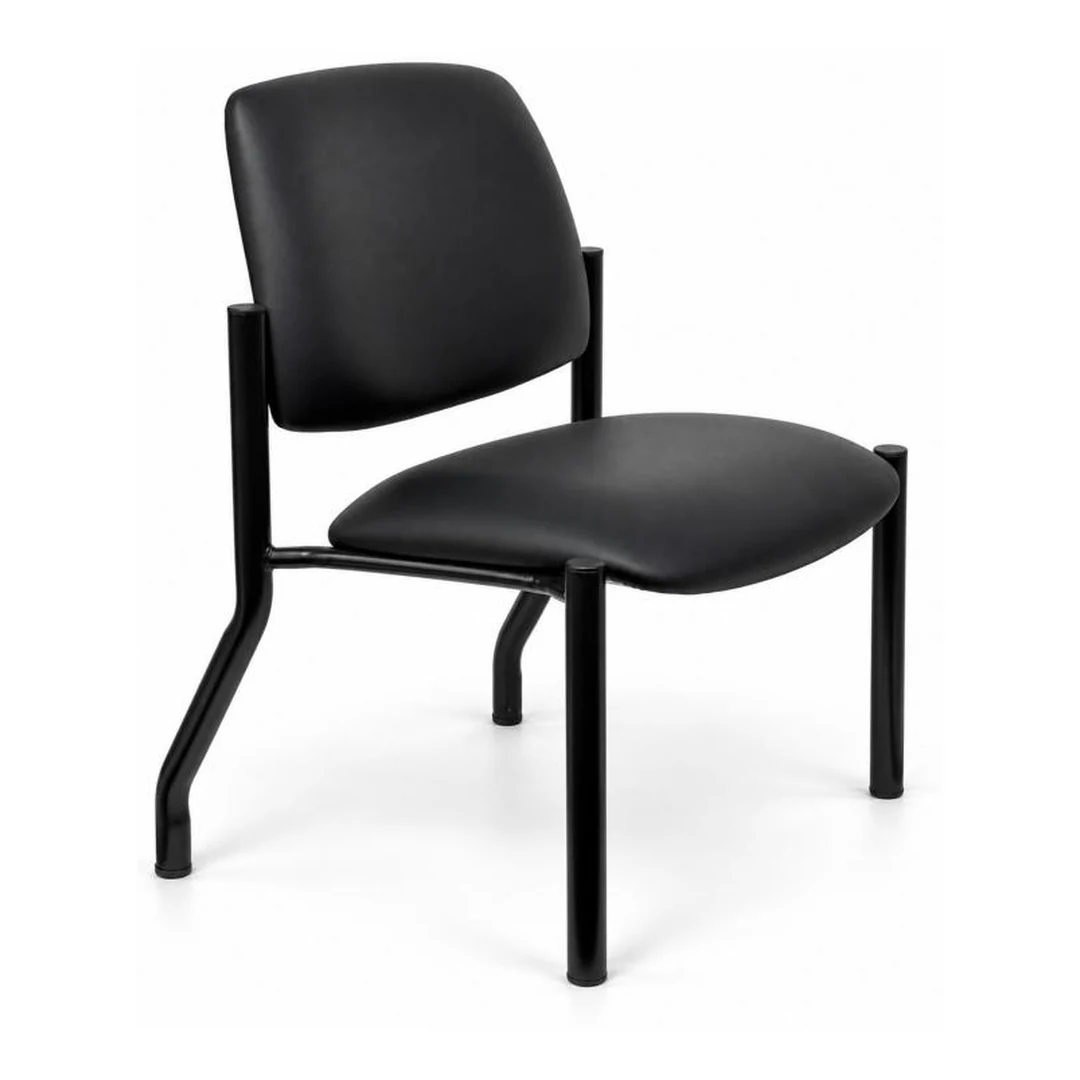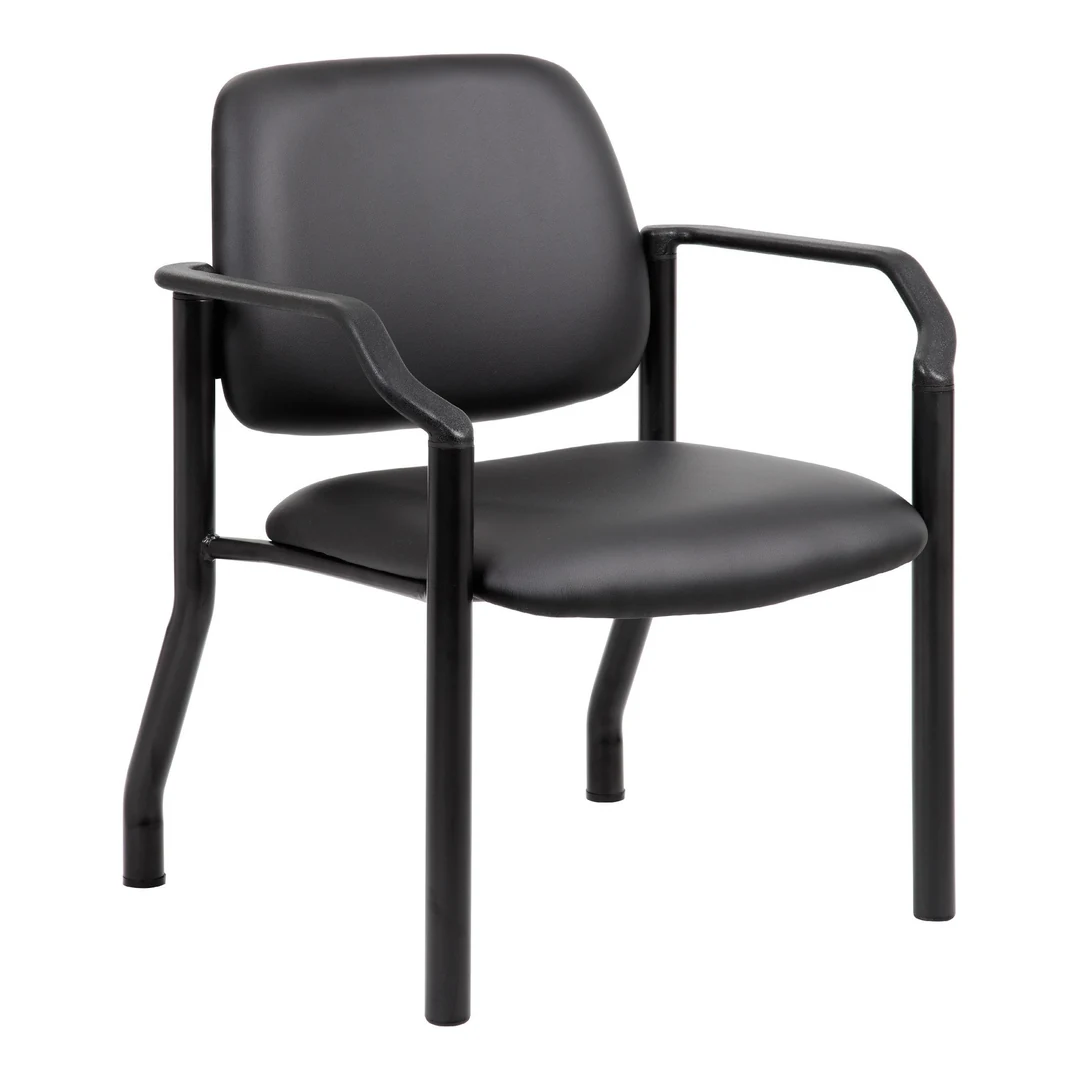

Before buying chairs for a shared-shift workplace, test the exact configuration with representative users at the actual workstation. Confirm the intended duty and user rating first, then assess fit, adjustment and handover between users. A high load rating alone does not answer every shared-use question.
The heavy duty office chair range provides a starting point for shortlisting. A structured trial helps turn that shortlist into a purchasing decision for your team.
Define the Working Pattern First
Record how many people use each chair, the hours it is occupied and the tasks performed. Distinguish a chair used by one person during business hours from a seat passed between successive shifts.
Ask the supplier to confirm suitability for that pattern on the exact model being quoted. Record the selected arms, upholstery and other options alongside the model name. Do not assume that every chair described as heavy duty is approved for continuous use.
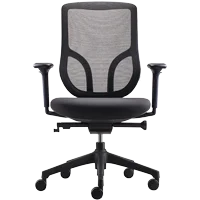
For example, the Buro Metro II 24/7 Chair High Back is described for multi-shift operations and lists a depth-adjustable seat slide, independently adjustable seat and back tilt, and optional height- and width-adjustable arms. These are useful features to test, rather than reasons to skip a trial.
Test the Chair at the Actual Workstation

Use the desk, equipment and floor surface the chair will encounter. Include people with different seating requirements and representatives from each shift where practical.
Ask each participant to complete normal tasks. Check whether they can approach the keyboard, reach frequently used equipment and move away from the desk without the arms or base obstructing them.
Record observations separately:
- Can the user find a suitable seat height and depth?
- Does the back adjustment provide a useful position?
- Do the arms permit a comfortable approach to the desk?
- Is there enough room for normal chair movement?
- Does the selected castor arrangement suit the floor?
Avoid treating one person’s preferred setting as the correct setting for everyone. Where a requirement remains unresolved, record it for supplier review before choosing the model.
Make Adjustment Part of the Trial

Ask the supplier to demonstrate the controls, then let each participant reset the chair independently. A chair may offer useful adjustment but still create problems if users cannot find or understand it.
Test the handover too. Have a second participant adjust the chair after the first user, following the supplied instructions. Note which controls are easy to identify and which require explanation.
Keep any local quick-start guidance consistent with the manufacturer’s instructions. Do not describe controls from memory or apply instructions from another chair that looks similar.
Compare Feedback Against the Same Brief
Use one short record for every model: configuration, participant, tasks completed, useful settings and unresolved issues. Separate preferences about appearance from functional requirements.
A trial should help answer whether the chair suits the intended work and users. It does not establish a medical benefit, guarantee comfort for everyone or prove a longer service life.
If no single configuration suits the group, consider whether a second approved option is justified. Standardising every seat is less useful if it leaves a known requirement unmet.
Confirm the Order and Handover Details
Before approving a larger purchase, confirm the quoted configuration, applicable user and duty ratings, care instructions, warranty terms and service arrangements. Ask what assembly and delivery services are included rather than assuming them.
Nominate who will show staff the controls and receive fault reports. Keep the model and order details available so a future repair enquiry refers to the correct chair.
To discuss a shortlist, request a shared-workplace seating quote with your shift pattern, quantities and trial findings. Identify unresolved questions explicitly so they can be addressed before ordering.