Introduction
Noise is one of the biggest hidden productivity killers in modern workplaces. With the rise of open-plan offices, collaborative environments, and hybrid workspaces, businesses across Australia are increasingly searching for effective ways to reduce distractions and improve focus.
This guide covers everything you need to know about office acoustics, including how acoustic panels work, the difference between soundproofing and sound absorption, and the best solutions for different workplace environments.
What Are Office Acoustics?
Office acoustics refers to how sound behaves within a workspace. Poor acoustics can lead to excessive noise, echo, and speech intelligibility issues, making it difficult for employees to concentrate or communicate effectively.
Good acoustic design focuses on:
- Reducing noise levels
- Controlling sound reflections
- Improving speech clarity
- Creating a balanced working environment
Why Office Acoustics Matter
Improving workplace acoustics isn’t just about comfort — it directly impacts business performance.
Key Benefits:
- Increased employee productivity
- Improved concentration and focus
- Better communication in meetings
- Reduced stress and fatigue
- Enhanced privacy in open-plan environments
Studies consistently show that excessive noise can reduce productivity by up to 66%, making acoustic solutions a critical part of modern office design.
Acoustic Panels vs Soundproofing: What’s the Difference?
One of the most common misconceptions is that acoustic panels “soundproof” a space.
Acoustic Panels
- Absorb sound within a room
- Reduce echo and reverberation
- Improve sound clarity
- Ideal for offices, meeting rooms, and classrooms
Soundproofing
- Blocks sound from entering or leaving a space
- Requires structural changes (walls, insulation, sealing)
- More expensive and complex
For most offices, acoustic panels provide a cost-effective and highly practical solution.
Types of Office Acoustic Solutions
1. Acoustic Wall Panels
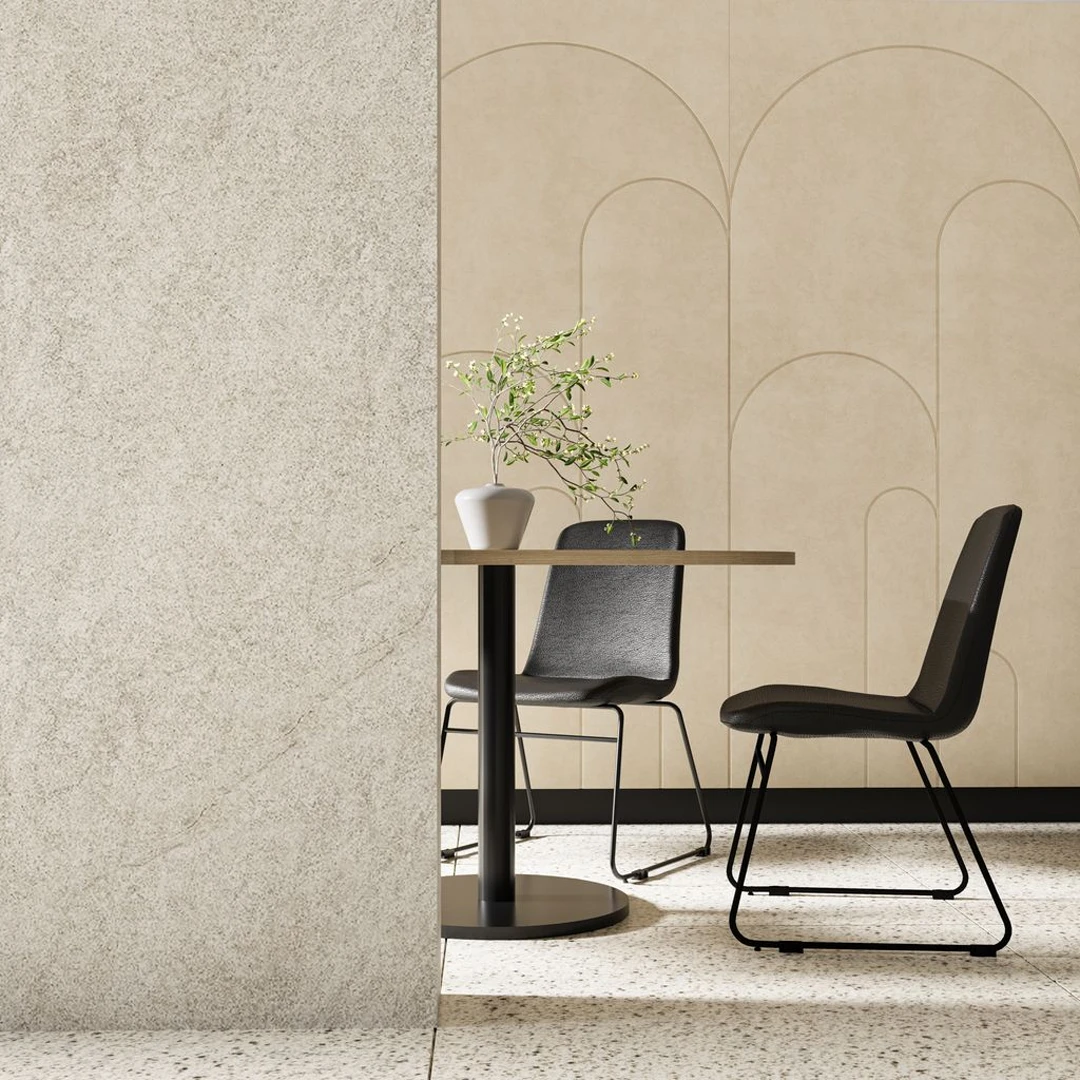
Wall-mounted panels are one of the most effective ways to reduce echo and improve sound quality in open spaces.
Best for:
- Open-plan offices
- Meeting rooms
- Boardrooms
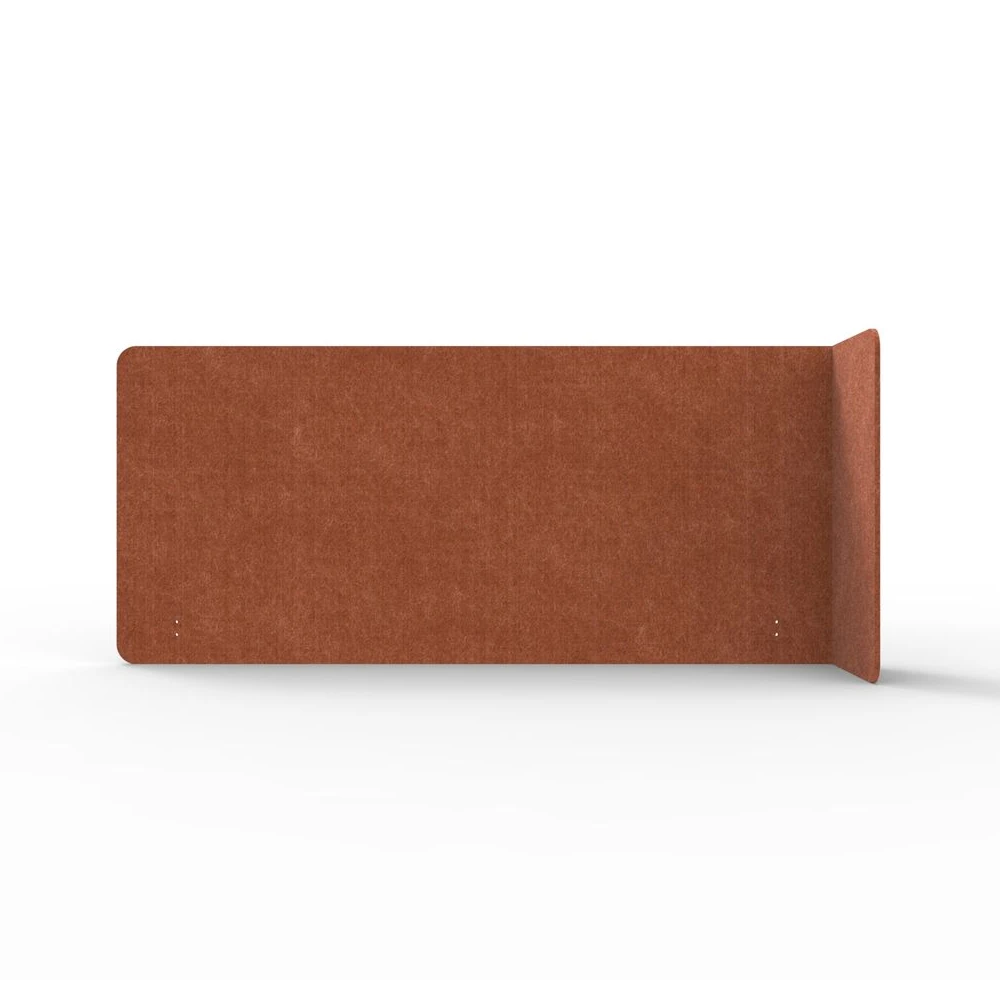
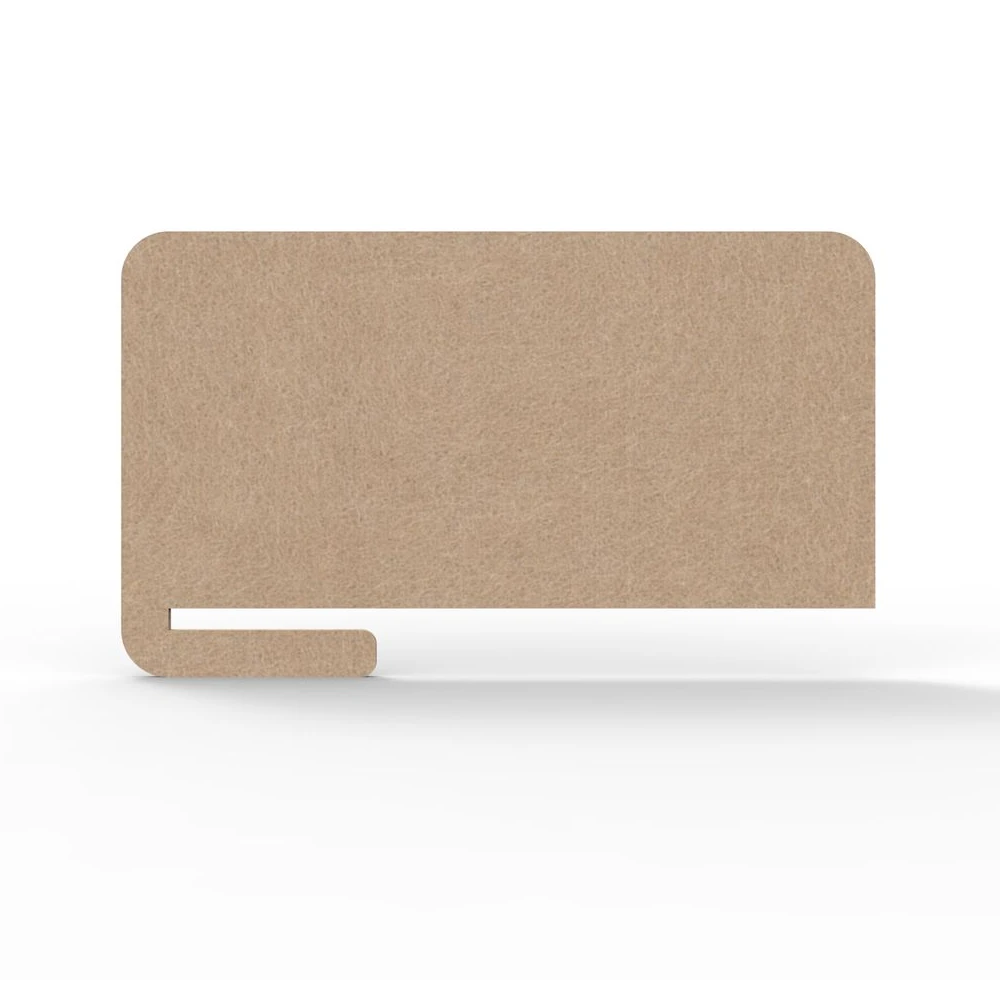
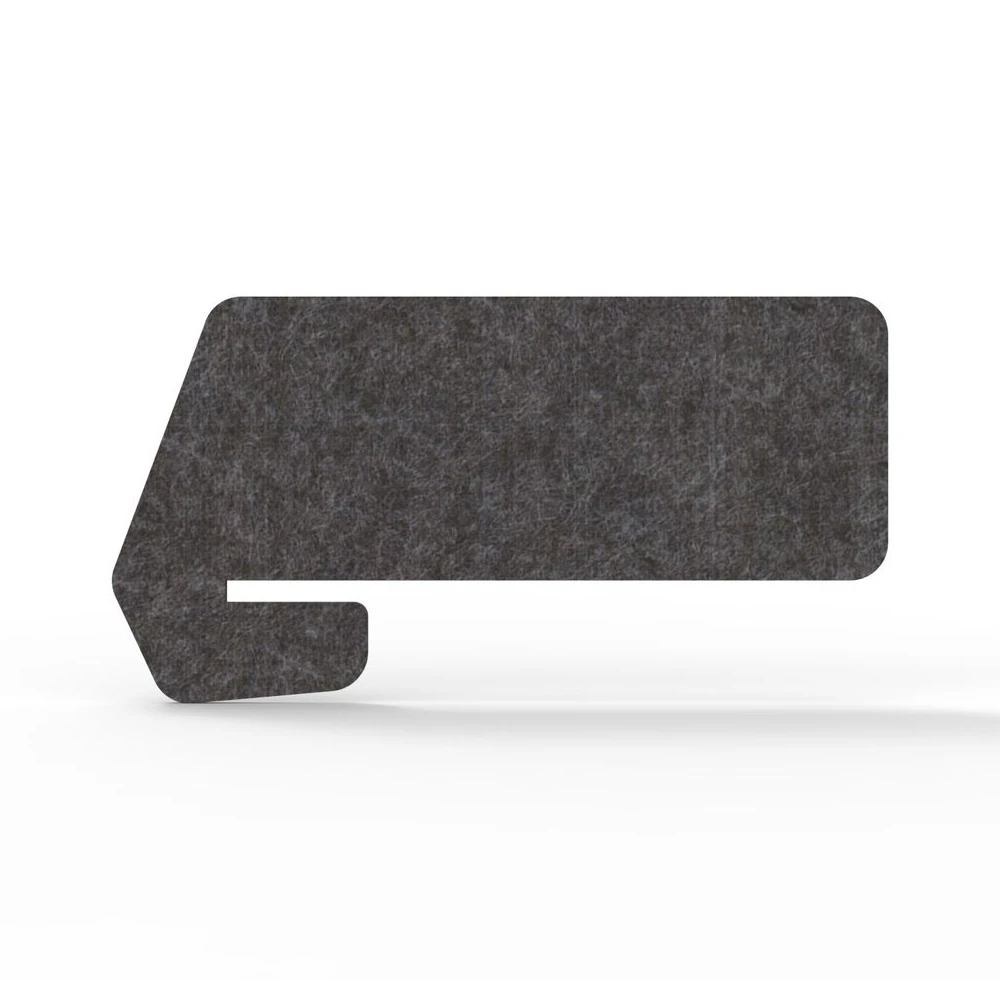
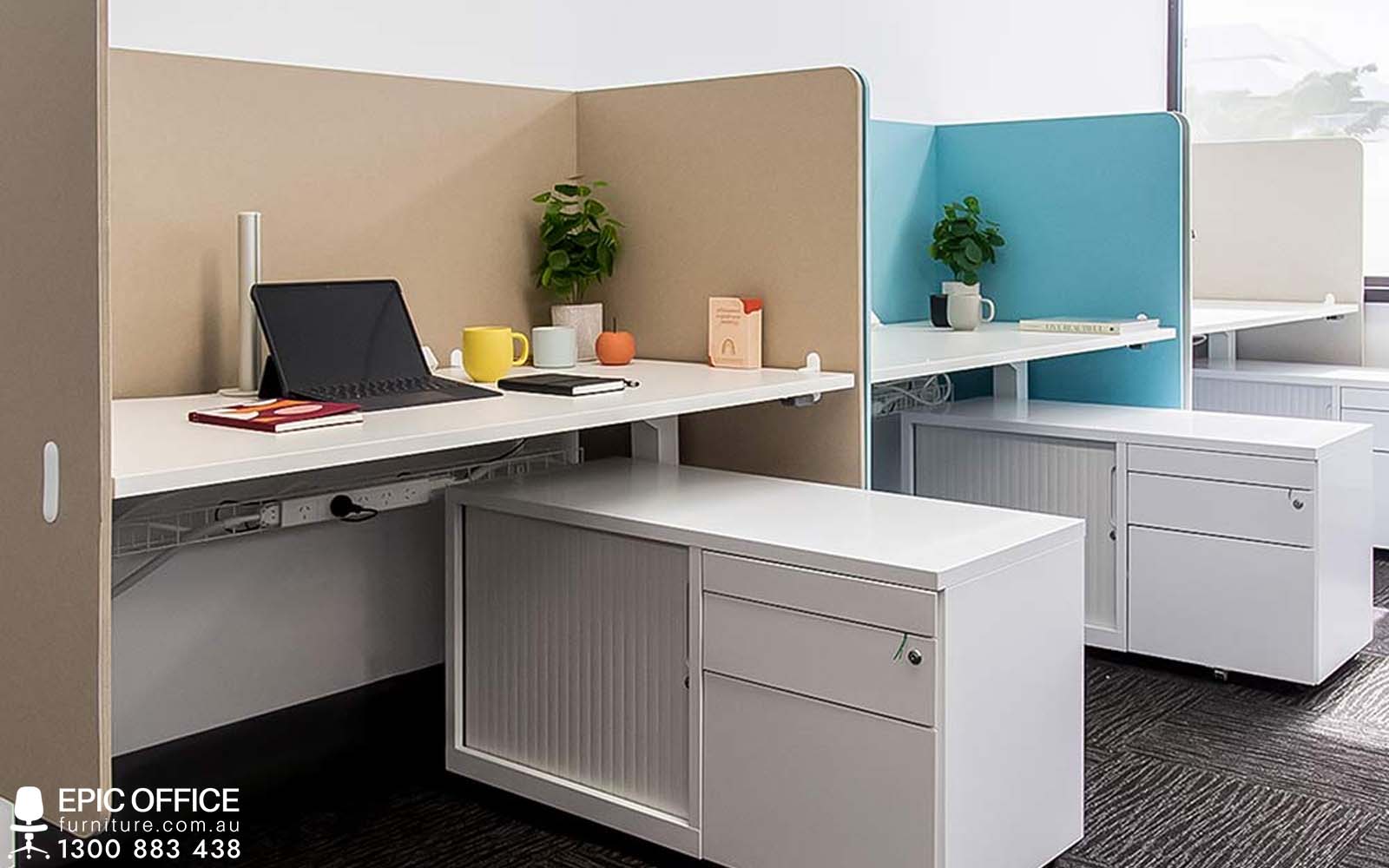
2. Workstation Acoustic Screens
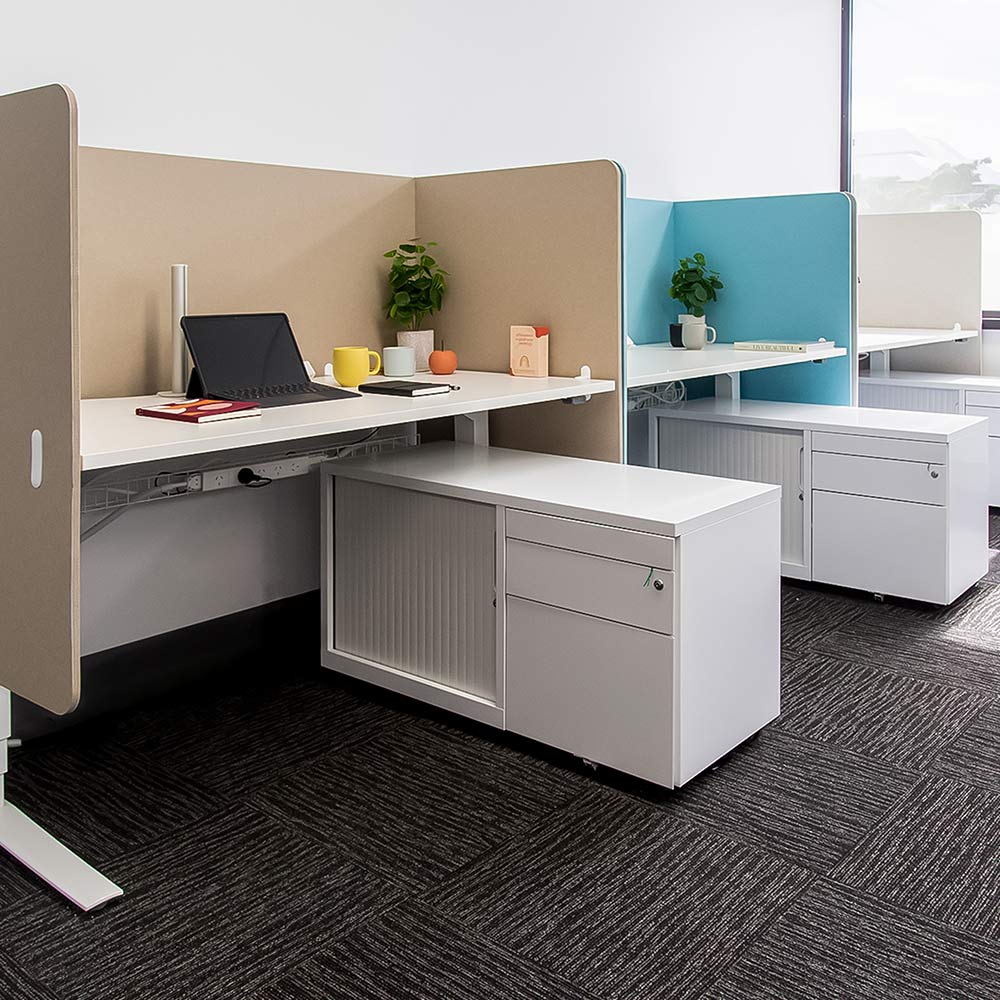
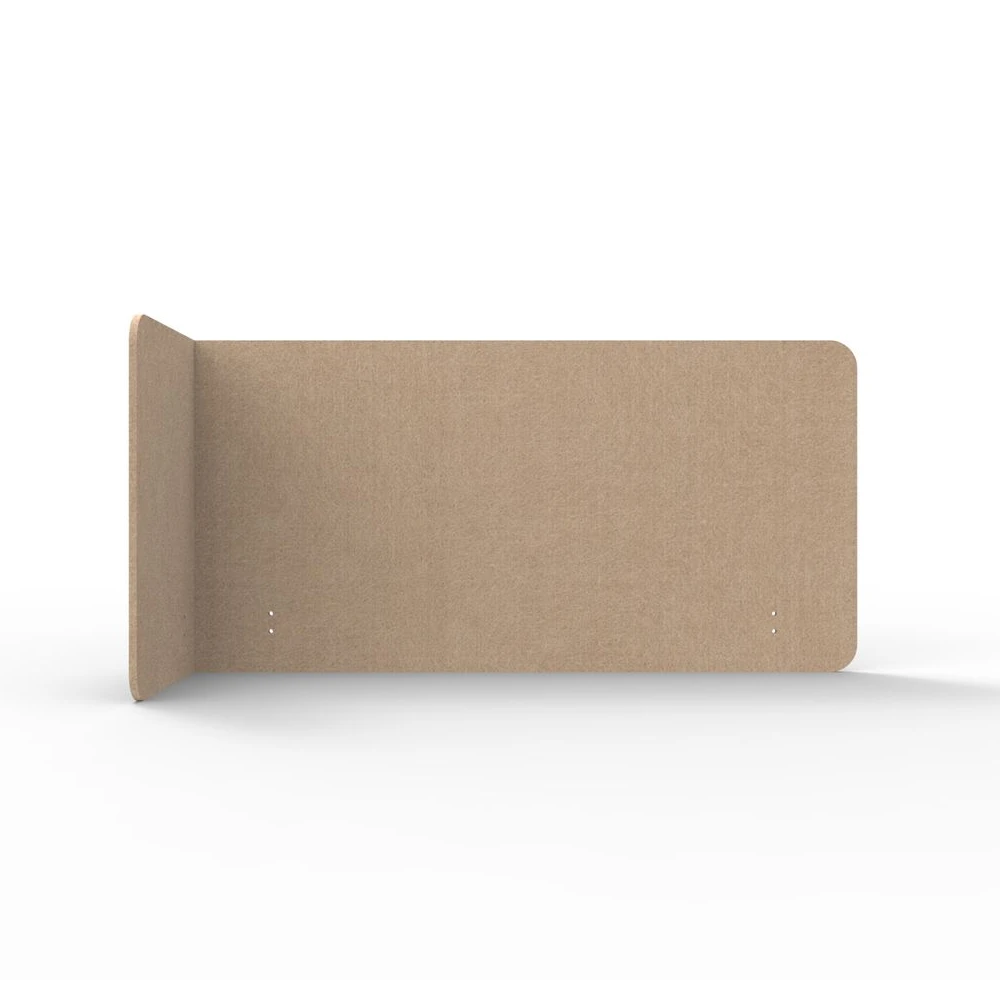
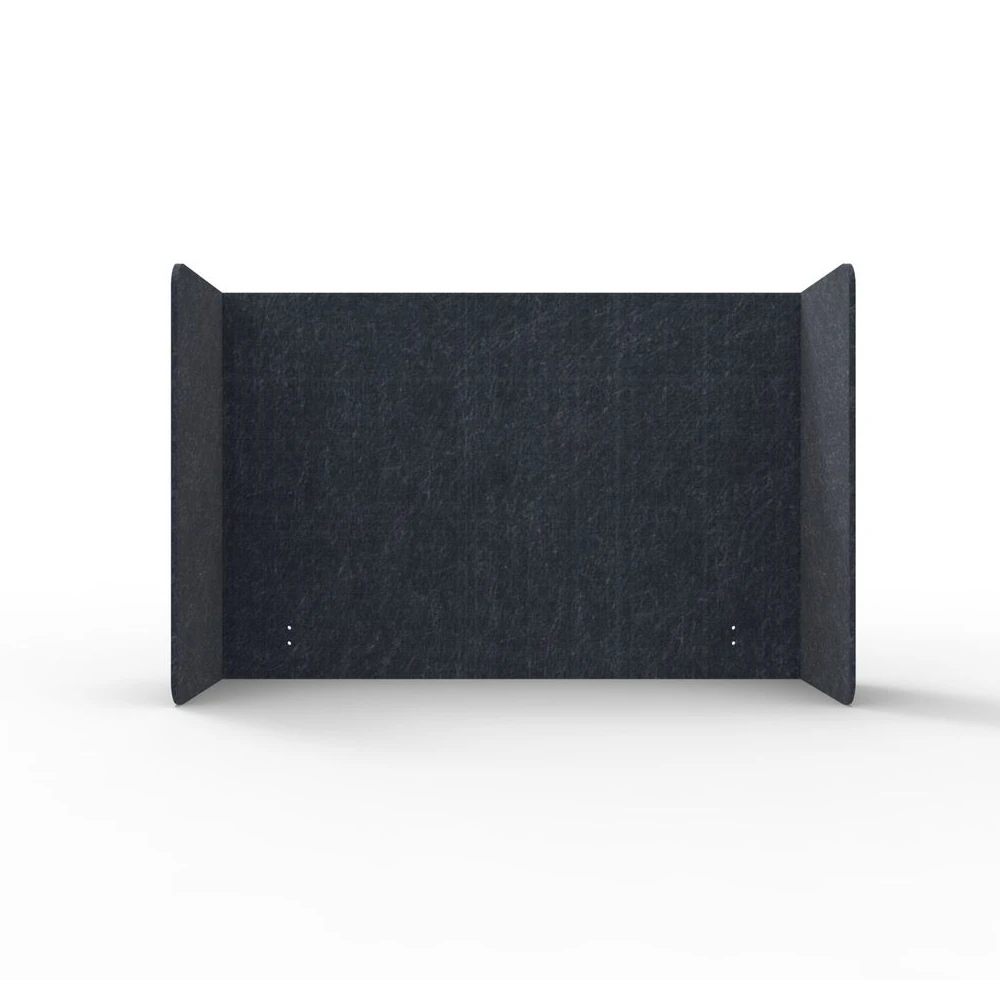
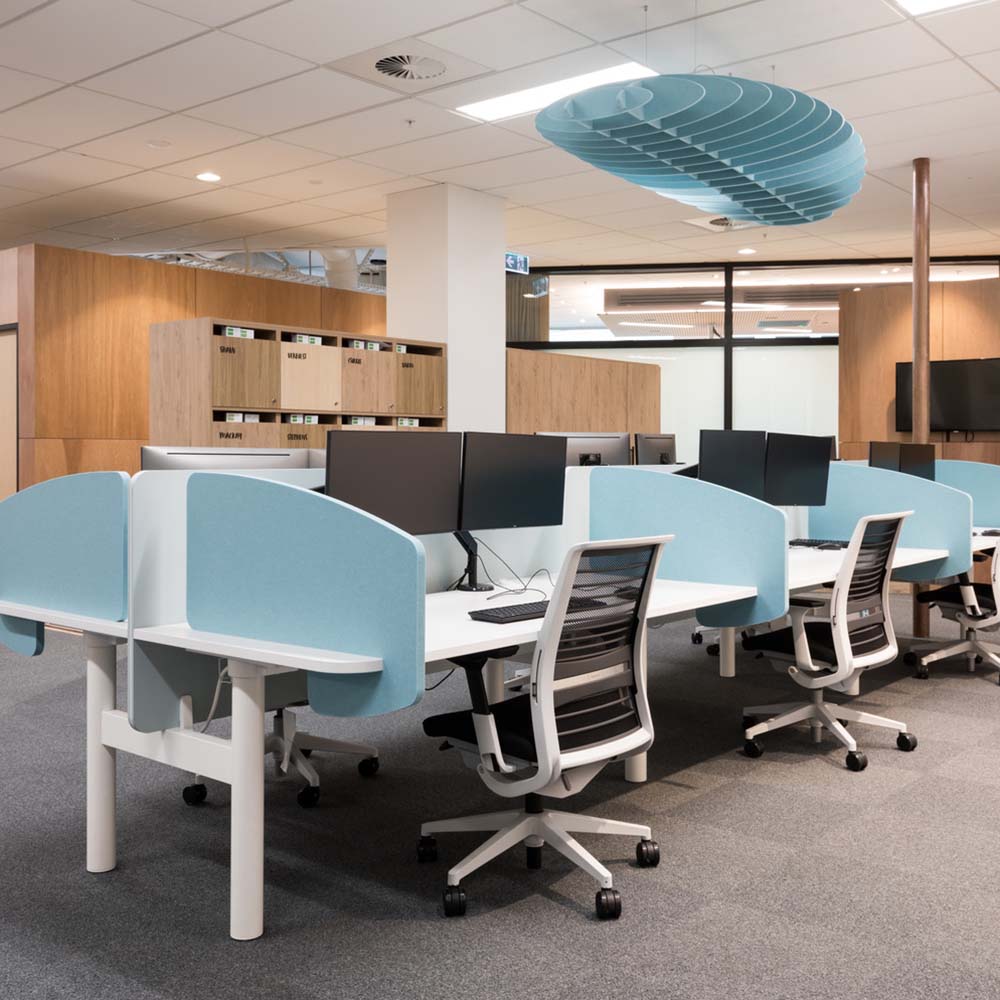
Desk-mounted screens provide both privacy and sound absorption at the individual workstation level.
Best for:
- Call centres
- Shared desks
- Focus-heavy roles
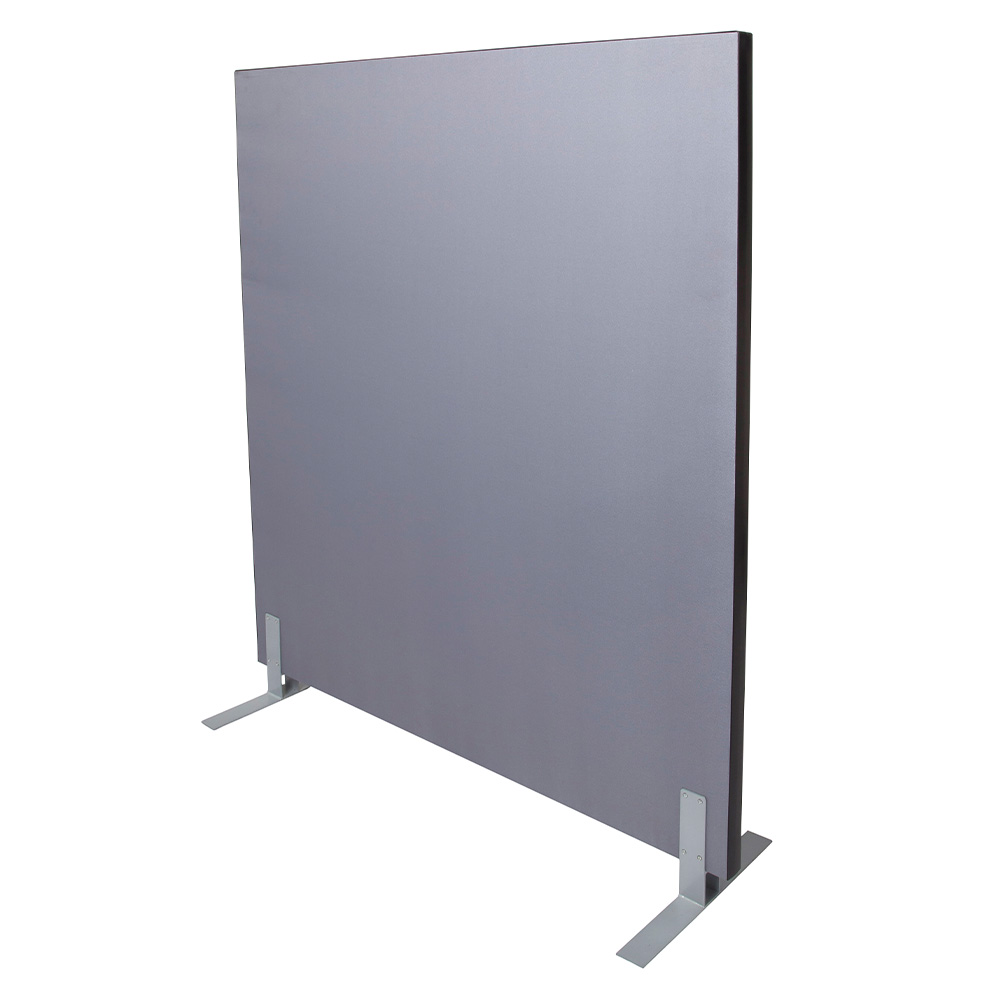
3. Freestanding Acoustic Partitions
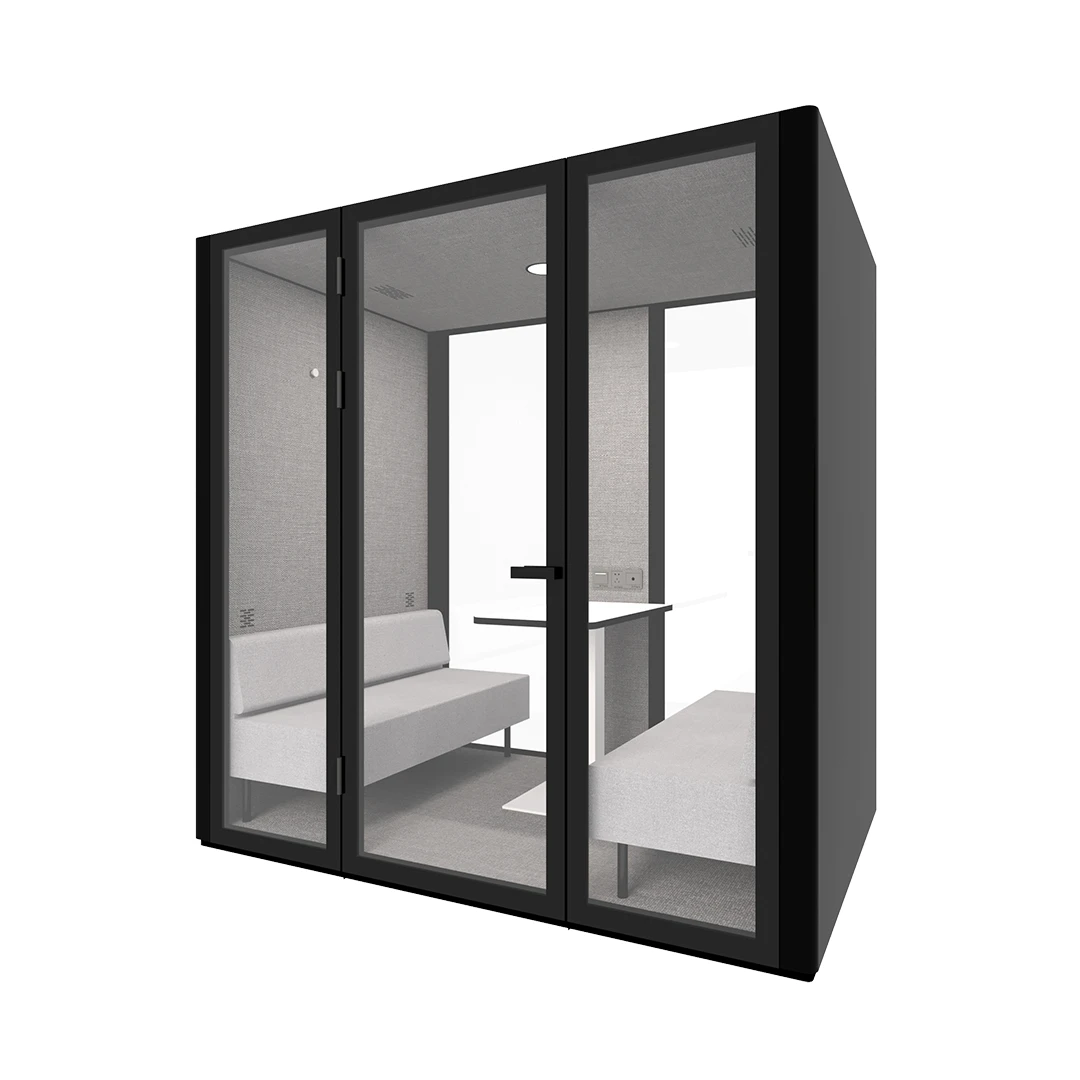
These flexible panels can divide spaces and control noise without permanent installation.
Best for:
- Breakout areas
- Collaborative zones
- Temporary layouts
4. Ceiling Acoustic Solutions
Suspended panels and baffles help control noise in large, open environments with high ceilings.
Best for:
- Warehouses
- Large offices
- Education spaces
How to Reduce Office Noise (Practical Tips)
If you’re looking to improve acoustics in your workplace, start with these steps:
1. Identify Noise Sources
Common sources include:
- Conversations
- Phones and video calls
- Office equipment
- Foot traffic
2. Add Soft Surfaces
Hard surfaces reflect sound. Introduce:
- Acoustic panels
- Carpets or rugs
- Fabric furniture
3. Use Zoning
Separate quiet and collaborative areas using partitions or layout design.
4. Install Acoustic Panels Strategically
Focus on:
- Walls facing each other
- Areas near desks
- Meeting spaces
5. Combine Solutions
The best results come from combining wall panels, screens, and partitions.
Acoustic Solutions for Different Office Types
Open Plan Offices
Use a mix of wall panels and workstation screens to control overall noise levels.
Meeting Rooms
Install wall panels to improve speech clarity and reduce echo.
Call Centres
Combine desk screens with wall panels for maximum noise reduction.
Education Spaces
Use durable acoustic panels to manage noise and improve learning environments.
Choosing the Right Acoustic Panels
When selecting acoustic products, consider:
- Material Density: Higher density = better sound absorption
- Coverage Area: More panels = greater impact
- Design: Panels can enhance your office aesthetics
- Flexibility: Freestanding vs fixed solutions
From leading vendors such as Autex and Woven Image.
Common Mistakes to Avoid
- Installing too few panels
- Placing panels incorrectly
- Relying on a single solution
- Confusing acoustic treatment with soundproofing
Final Thoughts
Office acoustics play a crucial role in productivity, employee wellbeing, and overall workplace performance. By investing in the right combination of acoustic panels, screens, and partitions, businesses can create quieter, more focused environments without the need for costly structural changes.
Whether you’re fitting out a new office or upgrading an existing space, acoustic solutions are one of the most effective improvements you can make.
FAQs
Do acoustic panels really work?
Yes, they significantly reduce echo and improve sound clarity within a space.
How many acoustic panels do I need?
This depends on room size, layout, and noise levels, but more coverage generally leads to better results.
Can acoustic panels be decorative?
Yes, many modern panels are designed to enhance office aesthetics.
Are acoustic solutions worth it?
Absolutely — they improve productivity, reduce distractions, and create a better working environment.