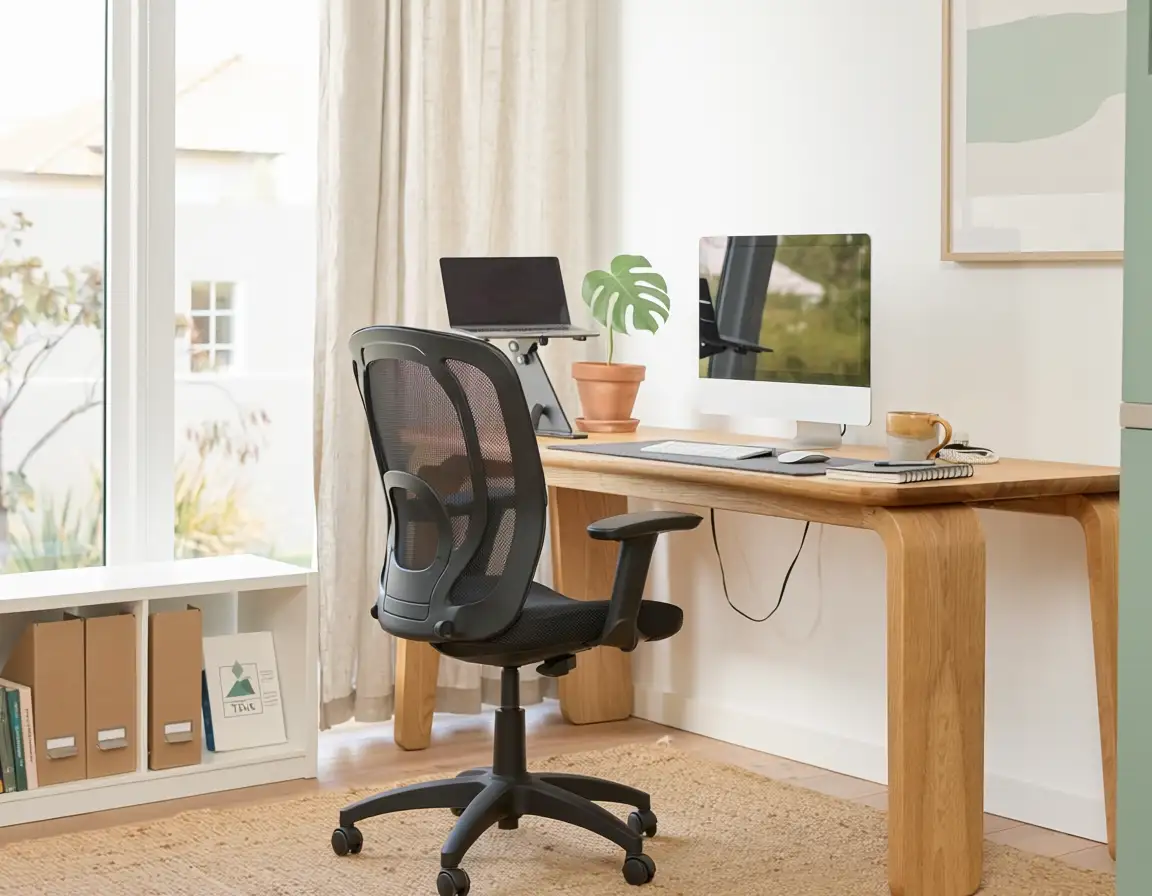
Working from home has become a long-term reality for many Australians, with businesses and employees continuing to embrace hybrid and remote work arrangements across a wide range of industries. As home offices become more permanent, many Australians are also looking to better understand which work-related expenses may be eligible for tax deductions and how investing in quality office furniture can help improve comfort, productivity, and long-term wellbeing.
The Australian Taxation Office (ATO) currently allows eligible workers to claim certain work-from-home expenses using either the fixed rate method or the actual cost method, depending on individual circumstances and record keeping. Understanding how these deductions work can help Australians create more productive and ergonomic home workspaces while remaining compliant with current tax requirements.
1. Under the current ATO fixed rate method, eligible Australians may be able to claim a set hourly rate for running expenses associated with working from home. This method covers expenses such as electricity, internet, phone usage, stationery, and computer consumables. Accurate records of hours worked from home must be maintained throughout the financial year to support any claim.
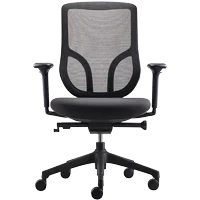
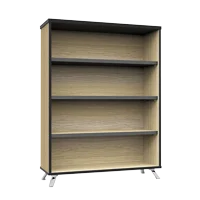
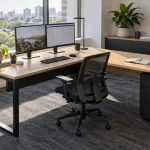
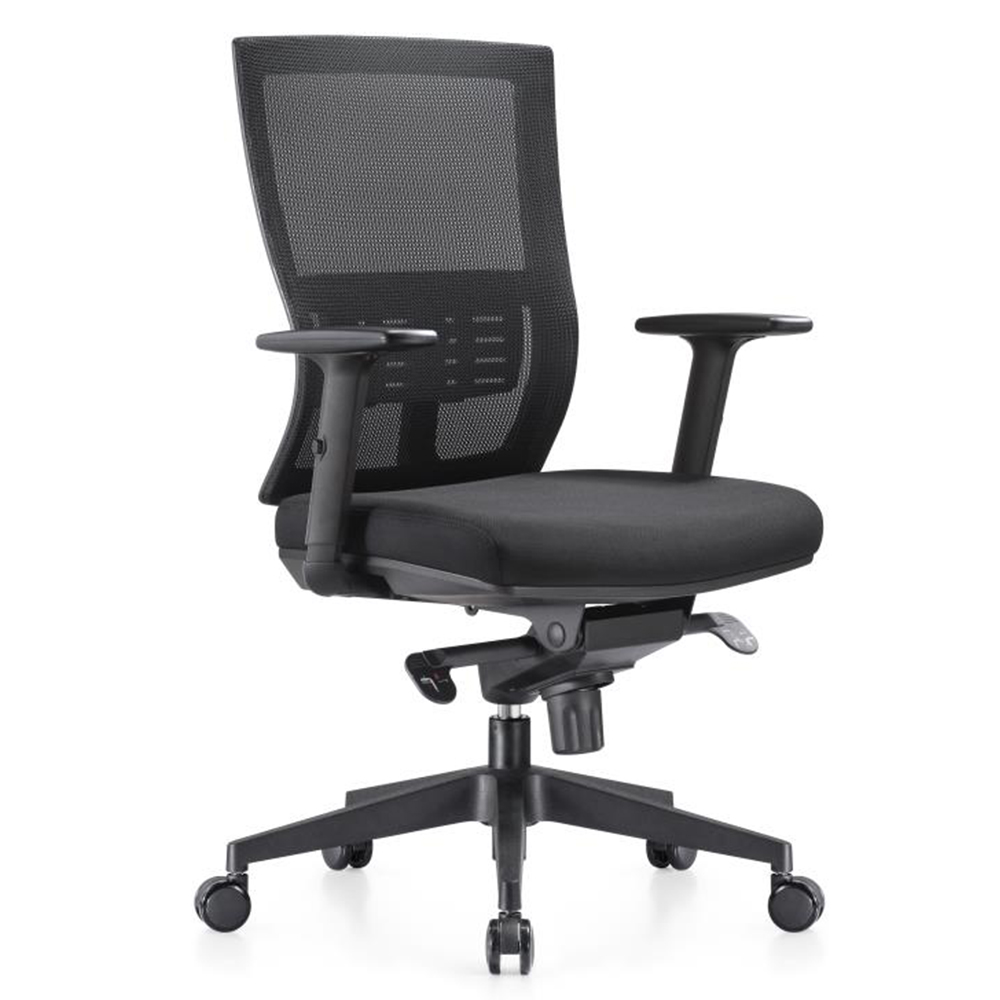
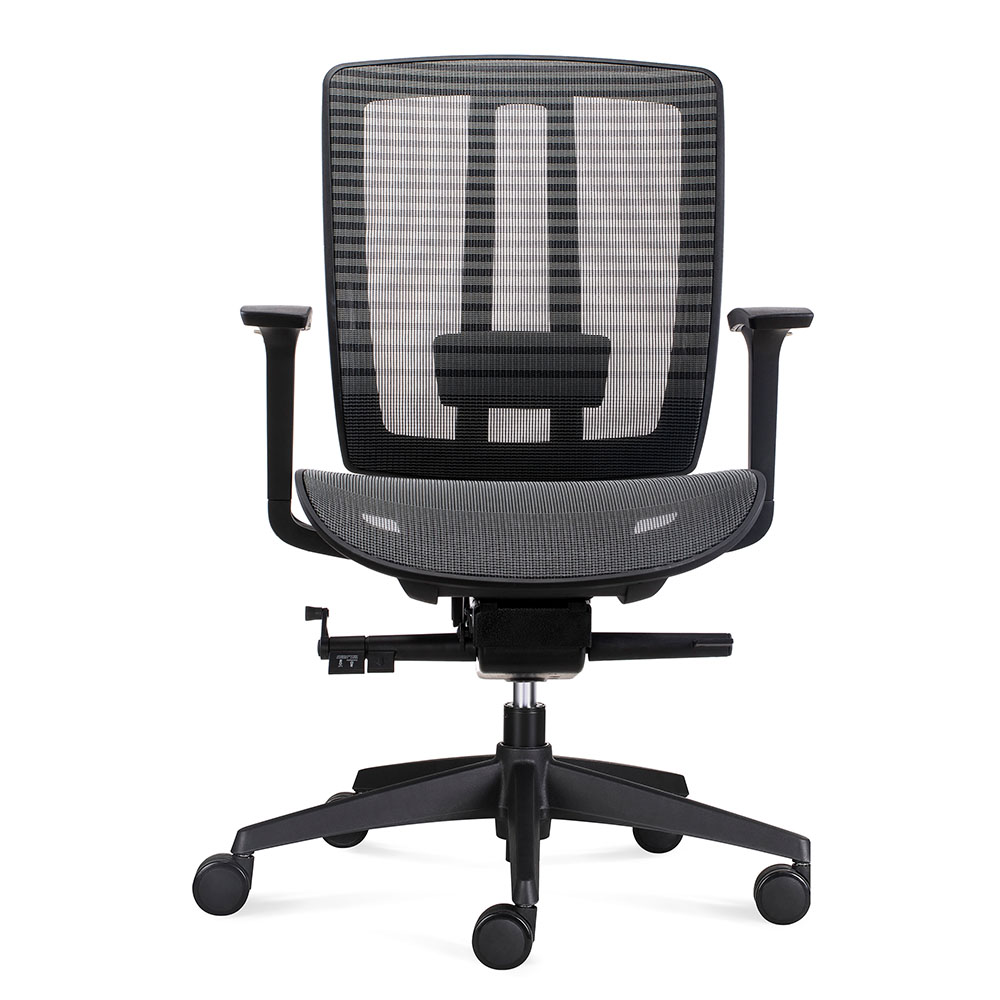
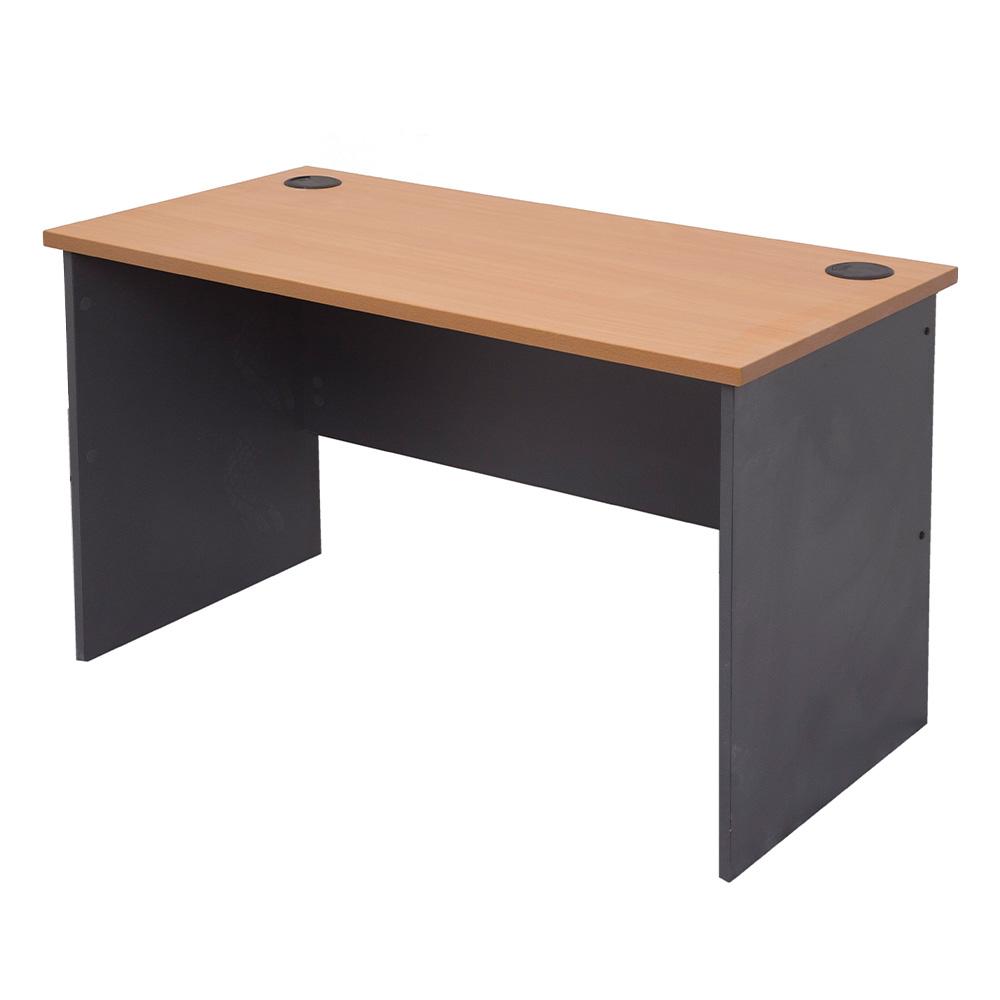
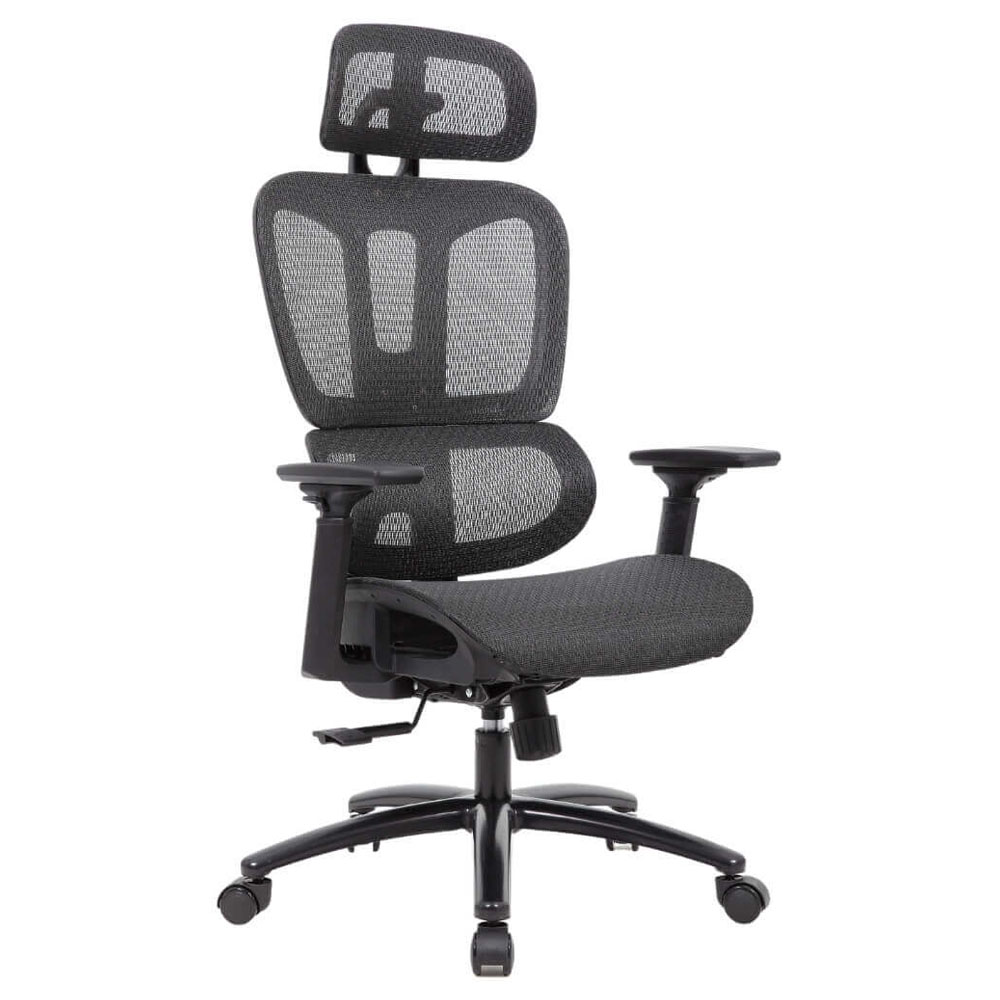
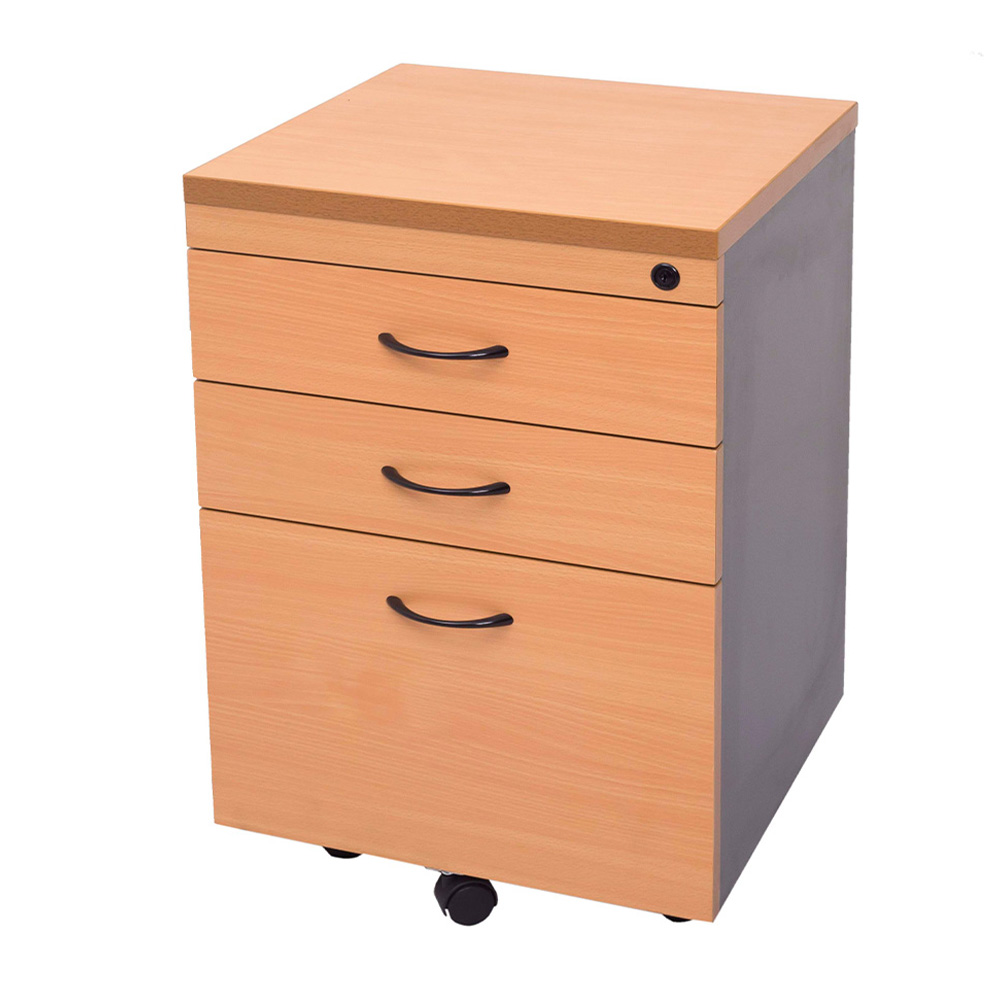
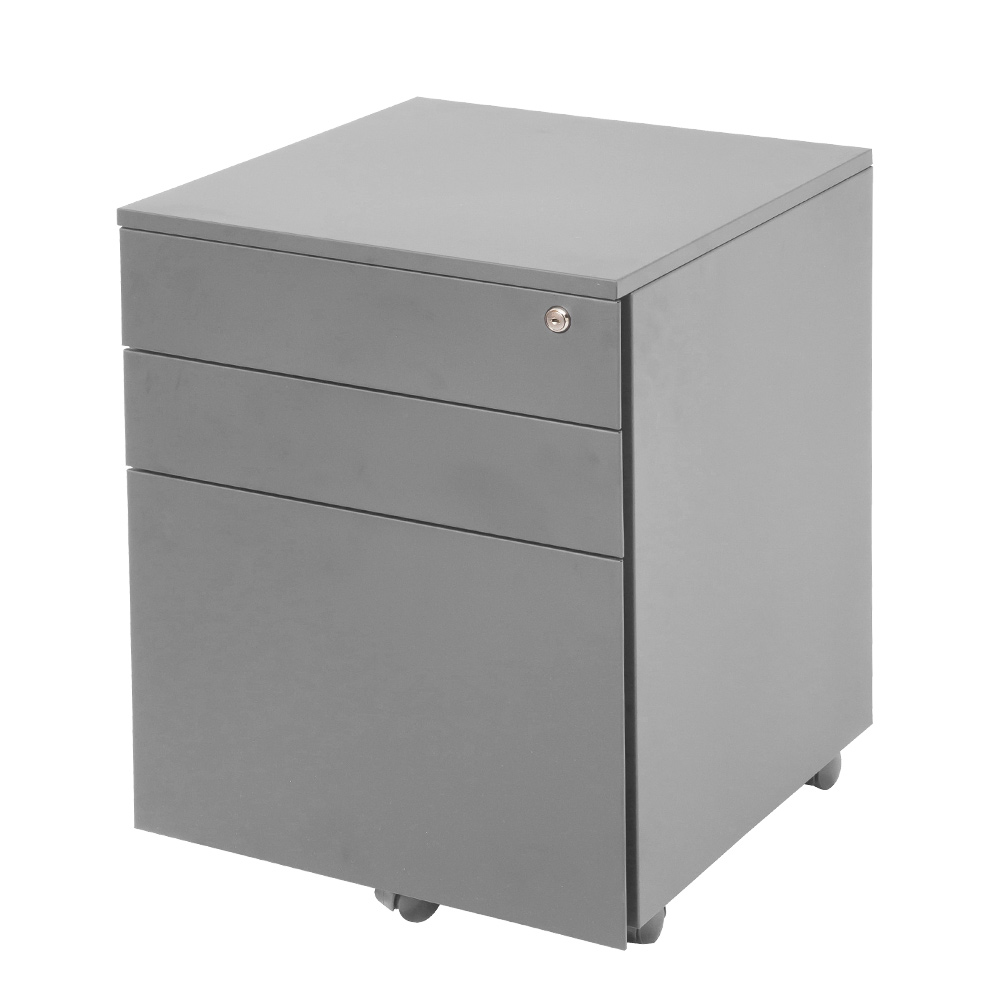
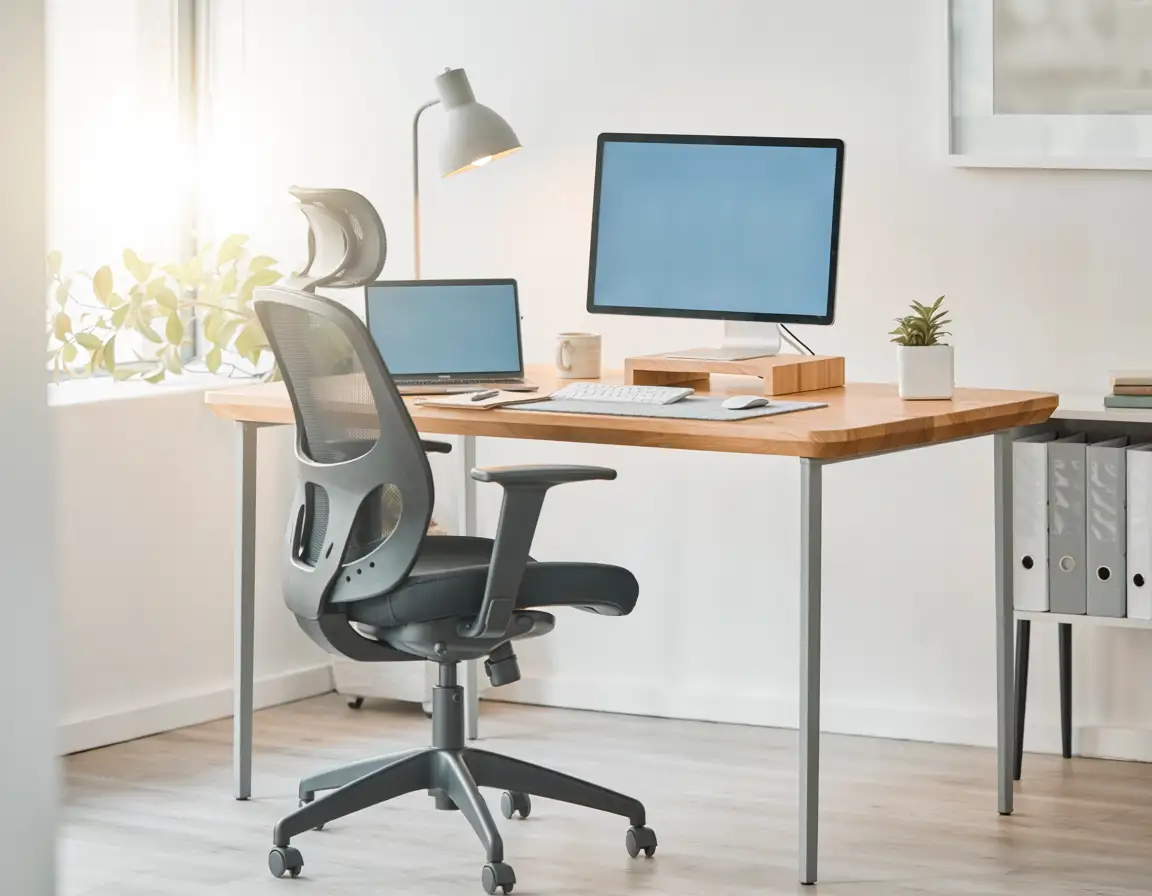
2. Office furniture and equipment may also be separately claimable depending on the purchase value, usage, and individual tax circumstances. Items such as ergonomic office chairs, desks, monitors, and storage solutions are commonly purchased by Australians creating dedicated work-from-home environments focused on comfort and productivity.
3. Ergonomic home office setups have become increasingly important as more Australians spend extended periods working at desks throughout the day. Poor workstation design can contribute to discomfort, fatigue, neck strain, and back pain over time. Investing in supportive workplace furniture can help create a healthier and more comfortable working environment.
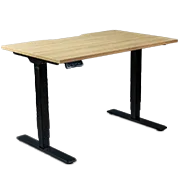
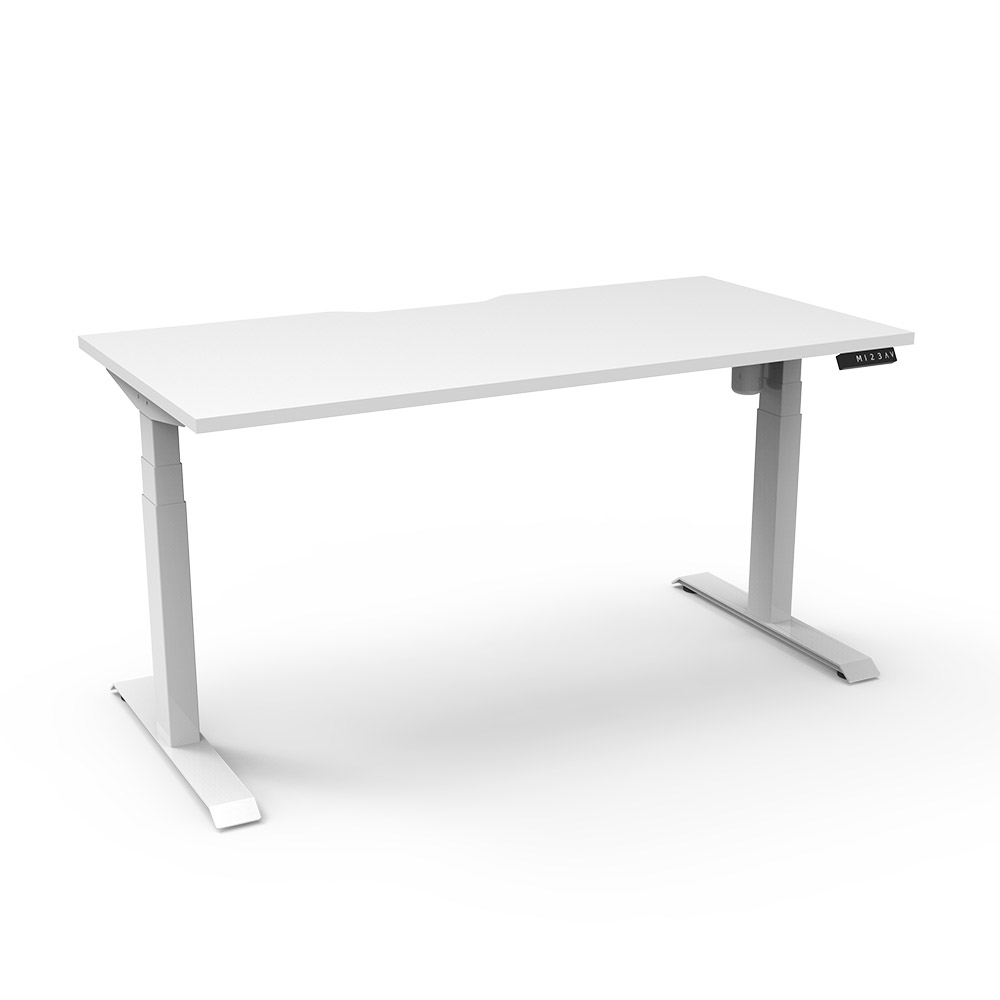
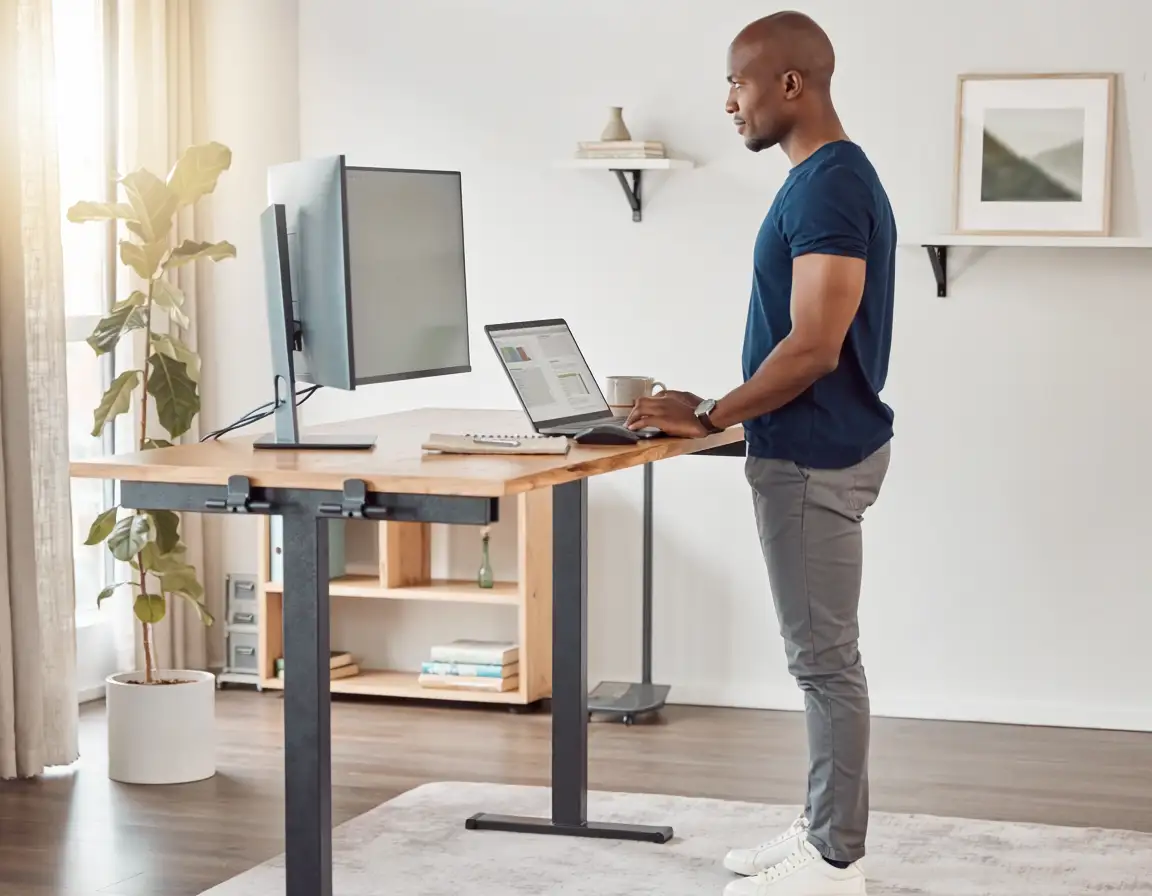
4. Many remote workers now combine ergonomic seating with standing desks to encourage movement throughout the day and reduce the physical strain associated with prolonged sitting. Sit-stand workstations have become increasingly popular across both home offices and commercial workplaces focused on employee wellbeing and productivity.
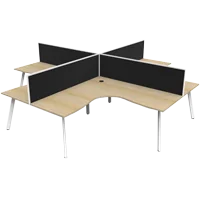
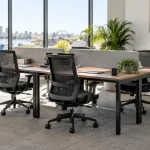
5. Workspace organisation also plays an important role in maintaining an efficient and productive home office. Functional desk layouts, storage solutions, monitor positioning, and lighting can all contribute to improved workflow and reduced workplace distractions during remote work.
6. As hybrid work continues to grow across Australia, many businesses are now investing in flexible workplace strategies that support both commercial offices and remote working environments. This has significantly increased demand for commercial-quality home office furniture designed to deliver long-term durability and ergonomic support.
7. Investing in quality office furniture is often viewed as a long-term productivity investment rather than simply a workplace expense. Comfortable and well-designed workspaces can help support focus, improve workflow efficiency, and contribute to better overall work-from-home experiences across a wide range of professions.
Modern home offices now function as fully operational workplaces for many Australians. Whether working remotely full-time or part of a hybrid arrangement, creating a comfortable and ergonomic workspace can significantly improve daily productivity and long-term workplace wellbeing.
Frequently Asked Questions
Can I claim an office chair on tax in Australia?
Depending on your individual circumstances, office chairs and other work-related office furniture may be claimable through depreciation or immediate deduction rules. Australians should refer to current ATO guidance or seek professional tax advice regarding eligibility.
Can I claim a standing desk when working from home?
Standing desks used for work purposes may be eligible for tax deductions depending on usage and individual circumstances.
Do I need a dedicated home office to claim work-from-home expenses?
Under current ATO guidance, a dedicated home office is not always required when using the fixed rate method for eligible work-from-home expenses.
What records do I need to keep for home office deductions?
The ATO requires records of hours worked from home as well as evidence supporting any separate work-related expense claims.
Important Disclaimer
This article is general information only and does not constitute financial or tax advice. Tax rules and eligibility requirements may change over time. Australians should refer to current Australian Taxation Office guidance or seek independent professional advice regarding their individual circumstances.
Whether upgrading a dedicated home office or creating a more productive hybrid workspace, investing in high-quality office furniture can significantly improve comfort, posture, and long-term productivity. Explore the full range of office chairs, ergonomic seating, and workspace solutions designed for modern Australian work environments.