
Working from home has become a long-term reality for many Australian professionals. While it offers flexibility, reduced commuting time, and better work-life balance, it also presents new challenges—especially when it comes to productivity, focus, and workspace setup. This guide will help you optimise your home office for comfort, productivity, and long-term wellbeing.
Why Your Home Office Setup Matters?
A poorly designed workspace can quickly lead to discomfort, distraction, and reduced productivity. Many people working from home underestimate how much their environment affects performance.
Without a proper setup, you may experience:
- Poor posture and physical discomfort
- Reduced focus and increased distractions
- Lower productivity throughout the day
- Blurred boundaries between work and home life
Research consistently shows that ergonomic workspace design is essential for maintaining both comfort and efficiency when working remotely.
1. Choose a Dedicated Work Space
One of the most important steps in working from home effectively is setting up a dedicated workspace.
Working from the couch or bed can negatively impact posture and productivity, leading to discomfort and poor work habits.
Instead, choose a space that allows you to:
- Separate work from personal life
- Maintain focus during work hours
- Leave your setup “as-is” at the end of the day
Even a small corner with a desk can significantly improve your workflow.
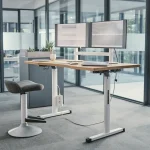
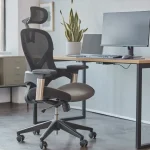
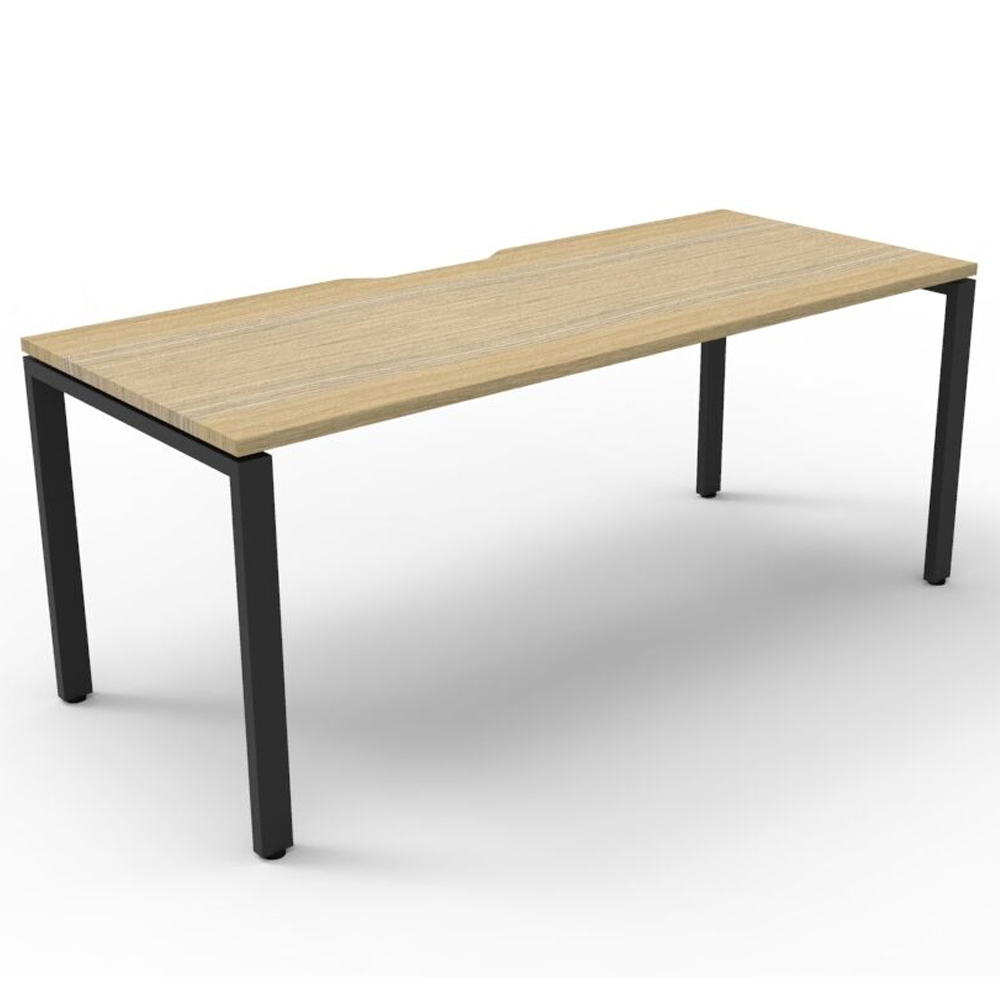
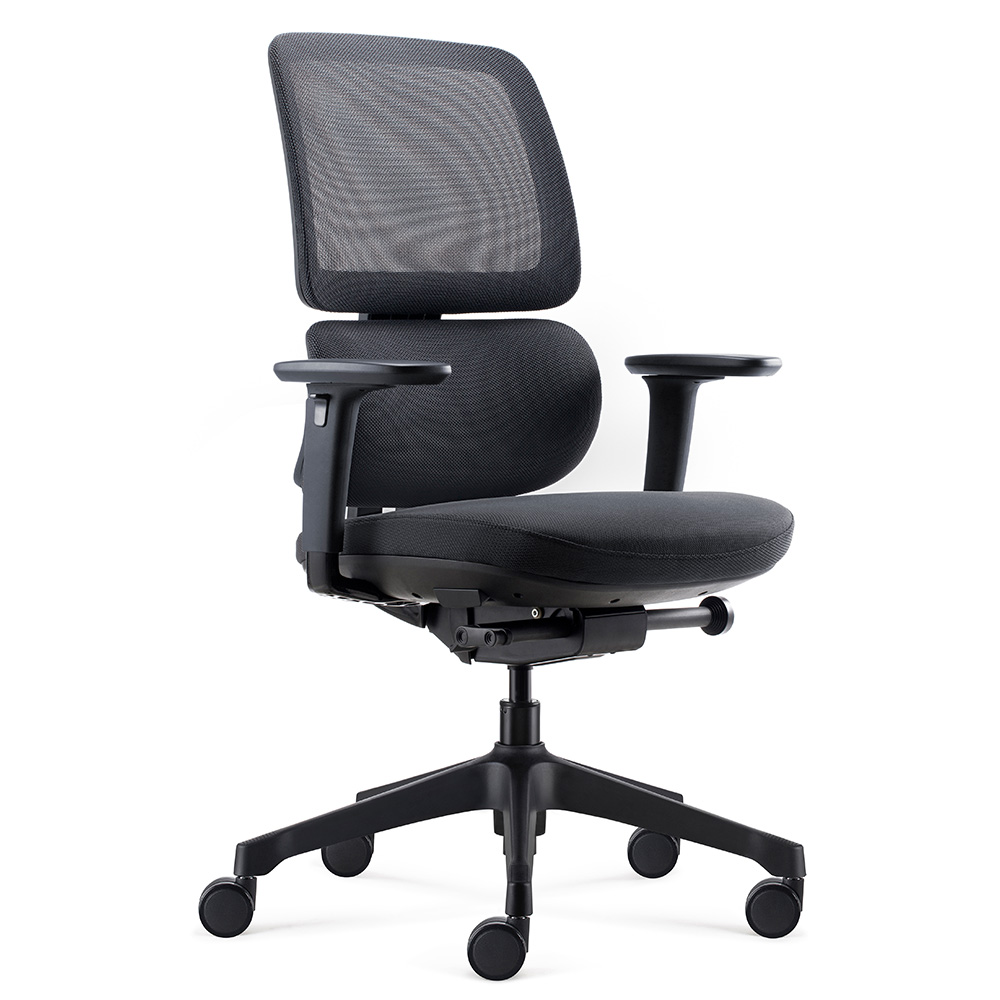
2. Invest in Ergonomic Office Furniture
Your furniture is the foundation of your productivity.
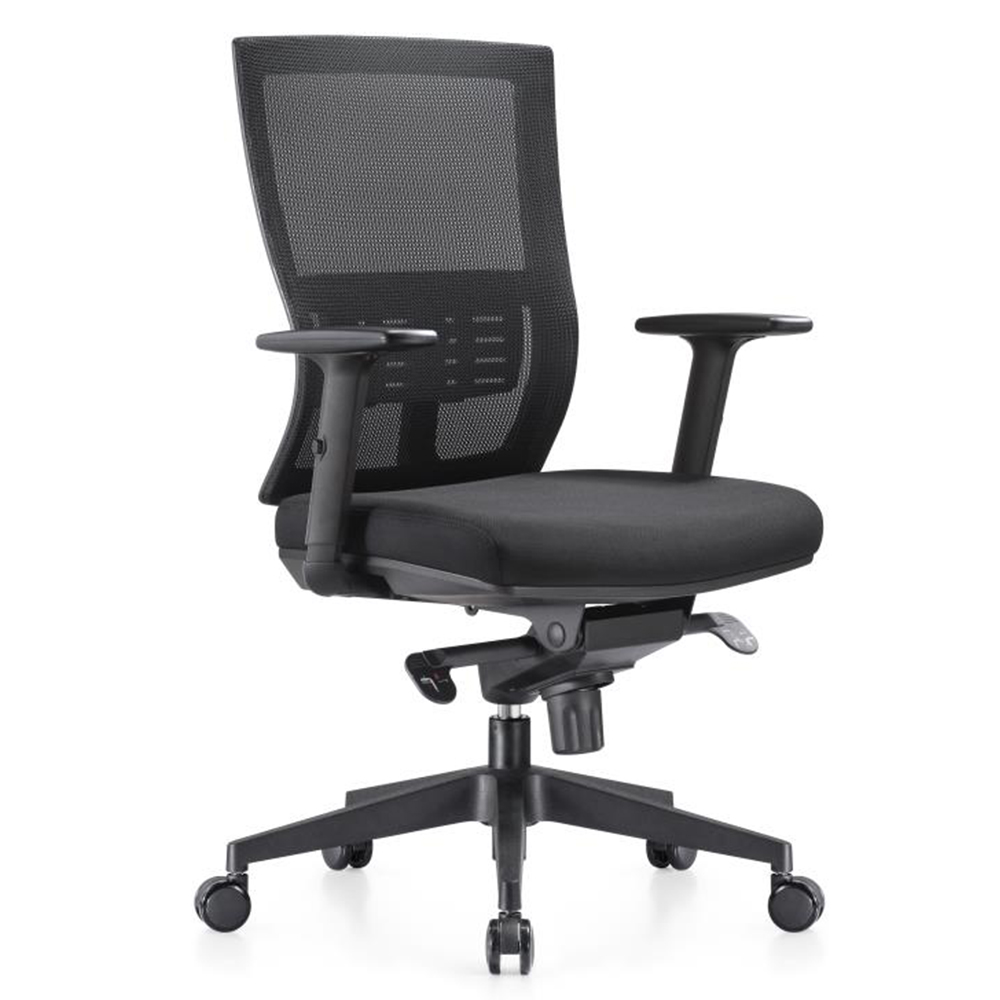
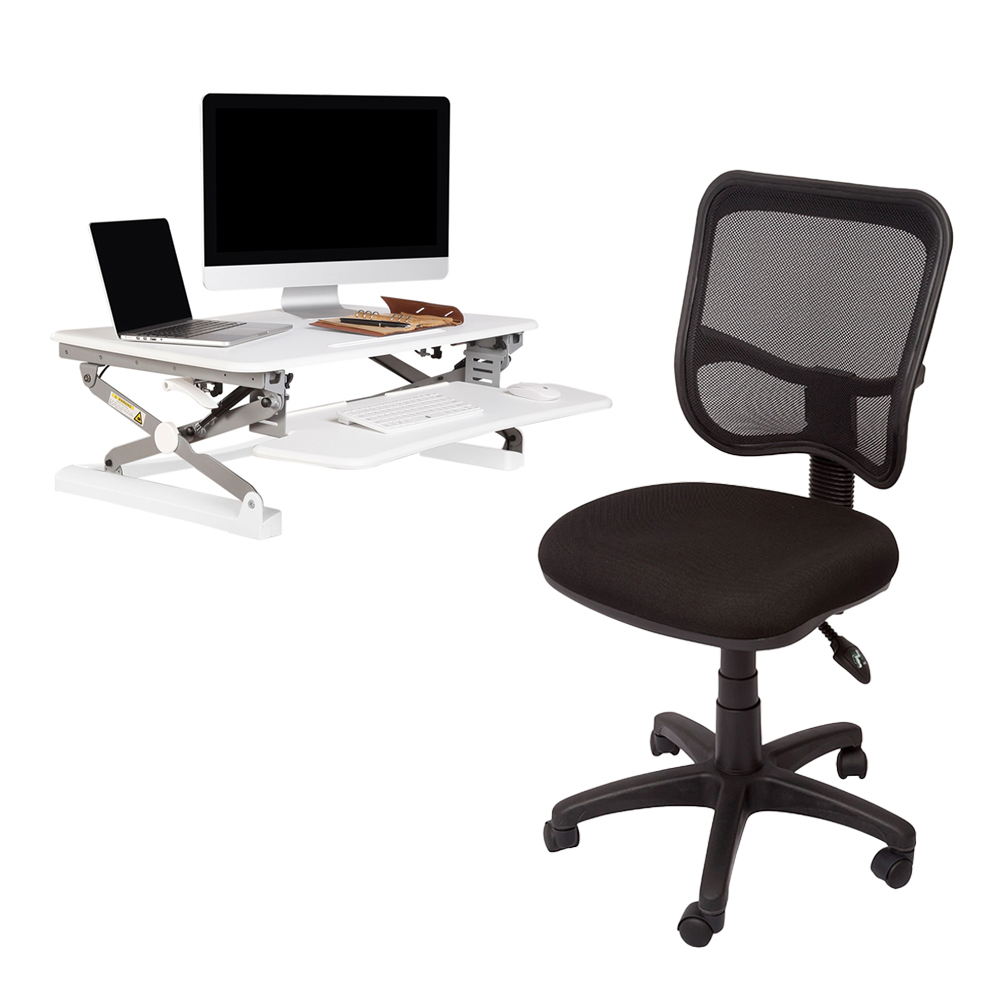
A proper home office setup should include:
- An adjustable office chair with lumbar support
- A desk at the correct working height
- Monitor positioned at eye level
- Optional sit-stand desk for movement
Ergonomic furniture helps maintain proper posture and reduces strain on the neck, shoulders, and back.
3. Set Up Correct Posture & Ergonomics
Good posture is critical when working long hours at a desk.
Key ergonomic guidelines include:
- Keep feet flat on the floor
- Maintain a 90-degree angle at knees and elbows
- Keep shoulders relaxed (not hunched)
- Position screen at eye level
These adjustments help reduce strain and improve comfort during long work sessions.
4. Minimise Distractions for Better Focus
One of the biggest challenges of working from home is distraction.
To improve focus:
- Keep your workspace tidy and organised
- Turn off unnecessary notifications
- Avoid working in high-traffic household areas
- Use headphones or background noise if needed
A structured environment helps your brain shift into “work mode” more effectively.
5. Take Regular Breaks and Move Frequently
Sitting for long periods can lead to stiffness and fatigue. Experts recommend taking regular breaks to stand, stretch, and move throughout the day.
Try:
- Standing every 30–60 minutes
- Short walking breaks between tasks
- Light stretching during the day
Movement improves circulation and helps maintain energy and focus.
6. Optimise Lighting and Environment
Good lighting plays a major role in productivity and eye comfort.
To improve your setup:
- Use natural light where possible
- Position your desk away from screen glare
- Add adjustable desk lighting for task work
A well-lit environment reduces eye strain and helps maintain alertness.
7. Separate Work and Home Life
One of the biggest risks of remote work is blurred boundaries between personal and professional life.
To maintain balance:
- Stick to consistent work hours
- Avoid working from your bedroom or couch
- Physically “close down” your workspace at the end of the day
This helps maintain mental clarity and prevents burnout.
8. Stay Organised and Keep Your Desk Clean
An organised workspace leads to a more organised mind.
Use:
- Desk organisers
- Cable management solutions
- Filing systems for paperwork
A clutter-free environment improves focus and reduces unnecessary stress.
9. Build Healthy Work Habits
Long-term success when working from home comes down to routine.
Effective habits include:
- Starting and finishing work at consistent times
- Planning daily tasks in advance
- Taking structured breaks
- Staying hydrated and eating properly
These habits help maintain productivity and prevent fatigue.
Working from home successfully is all about creating the right environment and habits. With a properly designed workspace, ergonomic furniture, and structured routines, you can significantly improve both productivity and wellbeing.
As remote and hybrid work continues to grow in Australia, investing in a functional home office is no longer optional – it’s essential.
A well-designed setup doesn’t just make work easier – it makes it more sustainable, comfortable, and productive.