
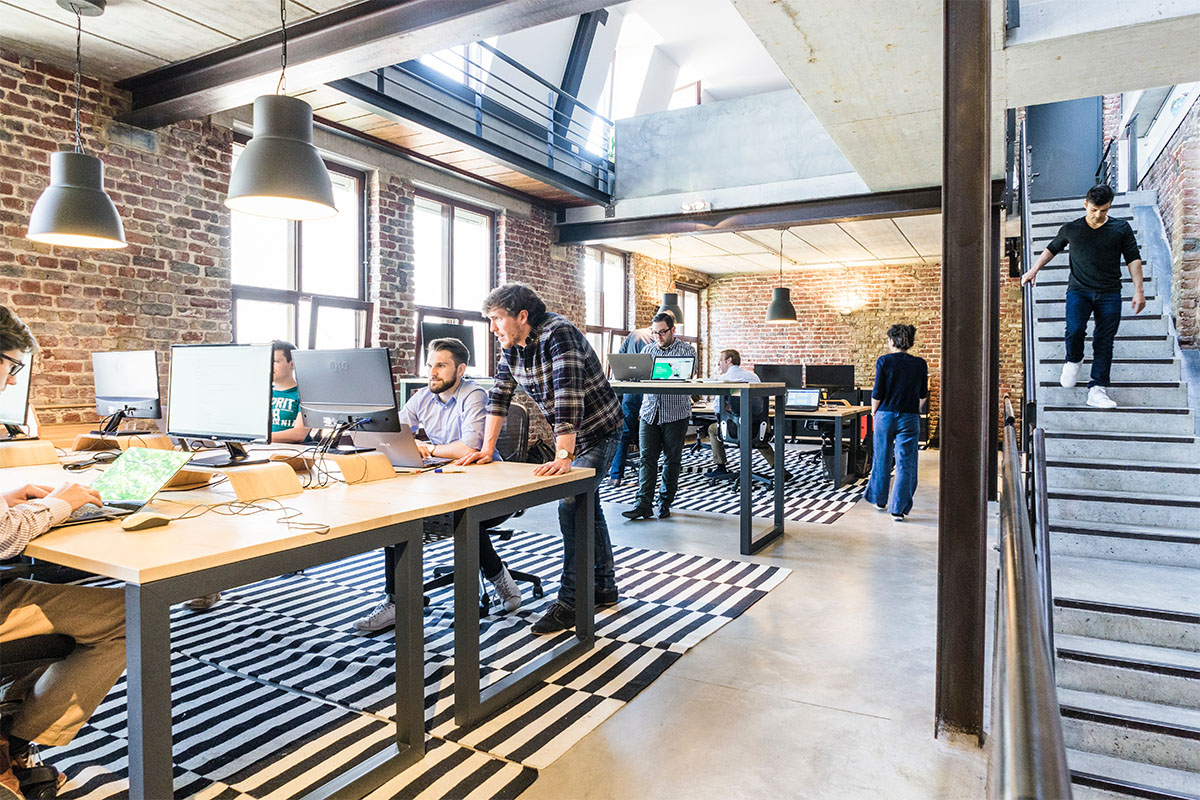
Choosing the right office layout is one of the most important decisions a business can make. The way your workspace is designed directly impacts productivity, collaboration, employee wellbeing, and space efficiency.
With growing demand for modern office fit-outs, ergonomic workspace design, and flexible office layouts in Australia, businesses are moving beyond traditional setups and adopting smarter, more adaptable environments.
Why Office Layout Matters?
Office layout isn’t just about how a space looks—it determines how people work, move, and interact throughout the day.
A well-designed layout can:
- Improve workflow and efficiency
- Enhance communication and collaboration
- Support employee comfort and wellbeing
- Maximise available office space
Modern workplace design focuses on balancing focus, flexibility, and collaboration to create high-performing environments.
1. Traditional Office Layout (Private Offices)
The traditional office layout consists of individual offices or enclosed rooms for employees, along with separate meeting areas and shared spaces.
Best suited for:
- Legal, finance, and executive environments
- Roles requiring confidentiality and deep focus
Advantages:
- High level of privacy and minimal distractions
- Better focus for individual work
- Customisable personal workspaces
Disadvantages:
- Limited collaboration between teams
- Higher fit-out and operational costs
- Less efficient use of space
This layout is ideal when privacy and concentration are the top priorities.
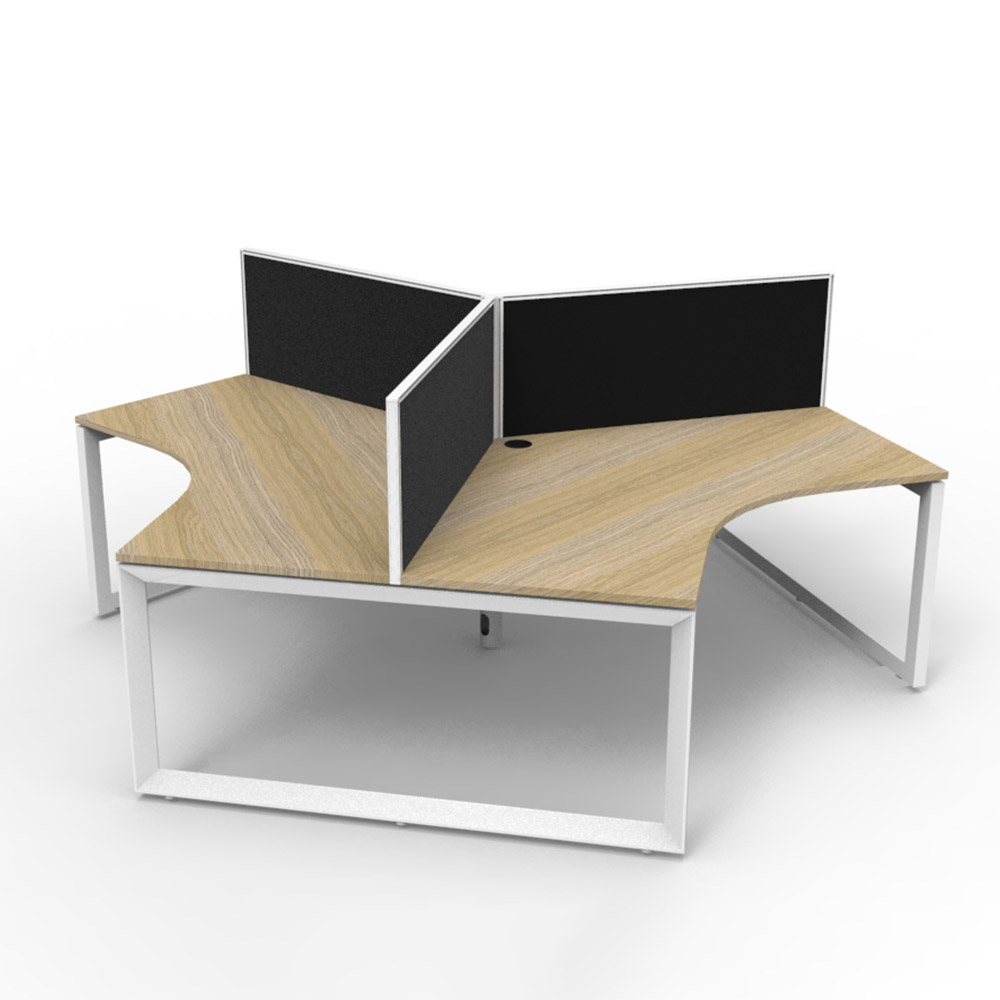
2. Cubicle or Partition Office Layout
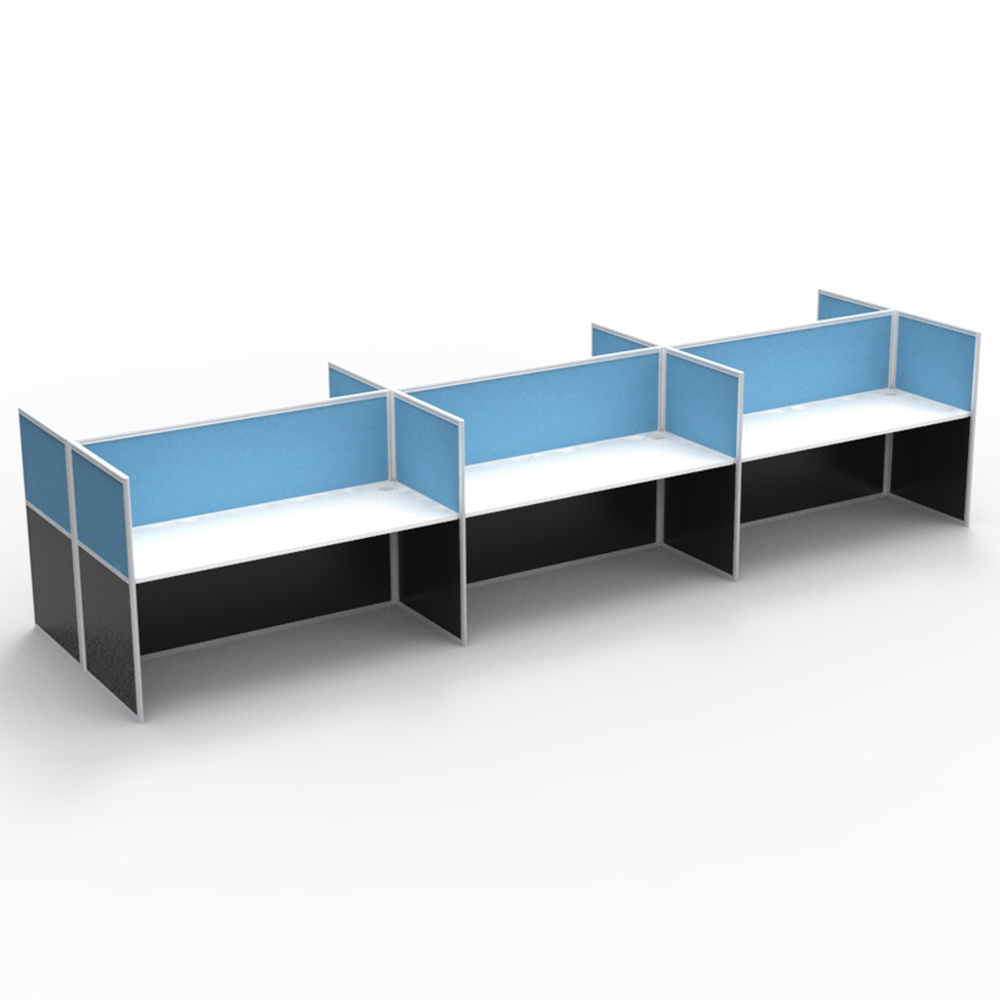
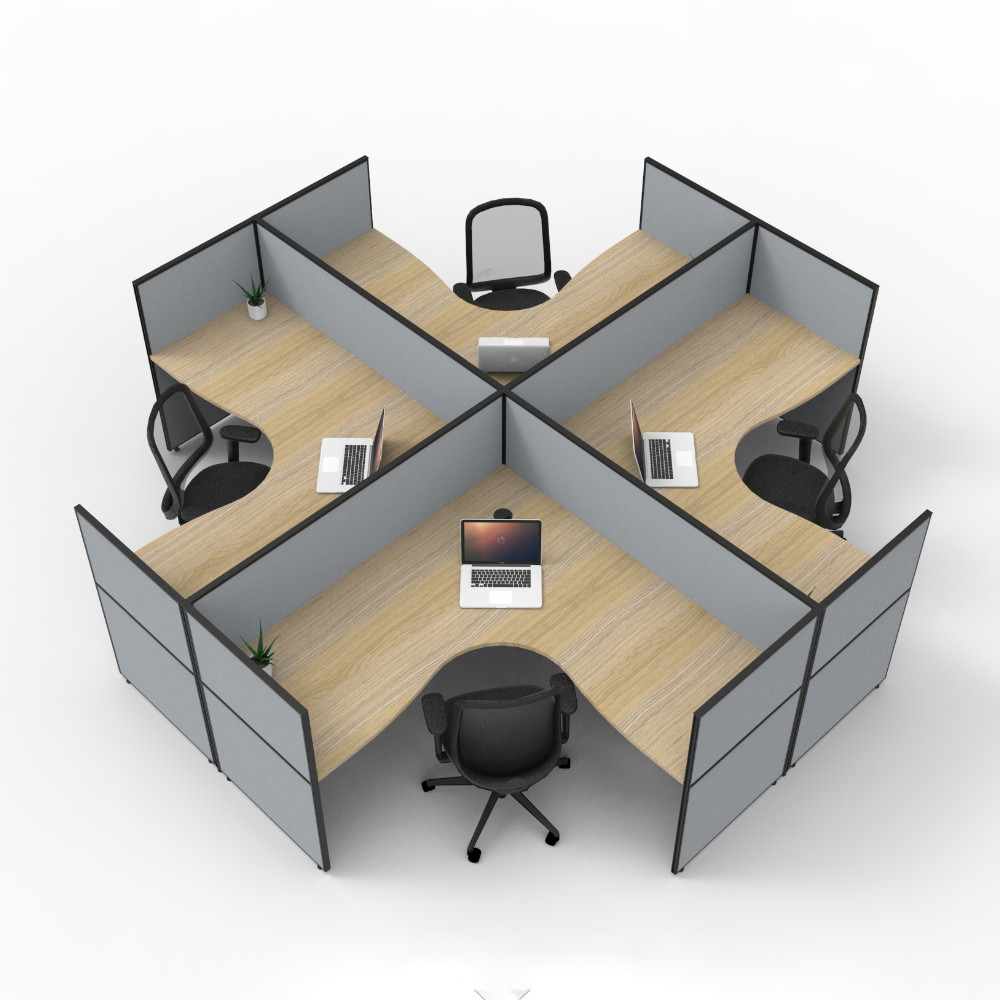
Cubicle layouts use partitions to create semi-private workspaces while maintaining a shared office environment.
Best suited for:
- Medium to large teams
- Businesses needing a balance of privacy and collaboration
Advantages:
- Reduces noise and distractions
- Provides personal workspace for employees
- More flexible and cost-effective than private offices
Disadvantages:
- Can feel enclosed or outdated if poorly designed
- Limited natural light in some setups
- Less open communication than modern layouts
Cubicles offer a practical middle ground between open and closed office designs.
3. Open Plan Office Layout
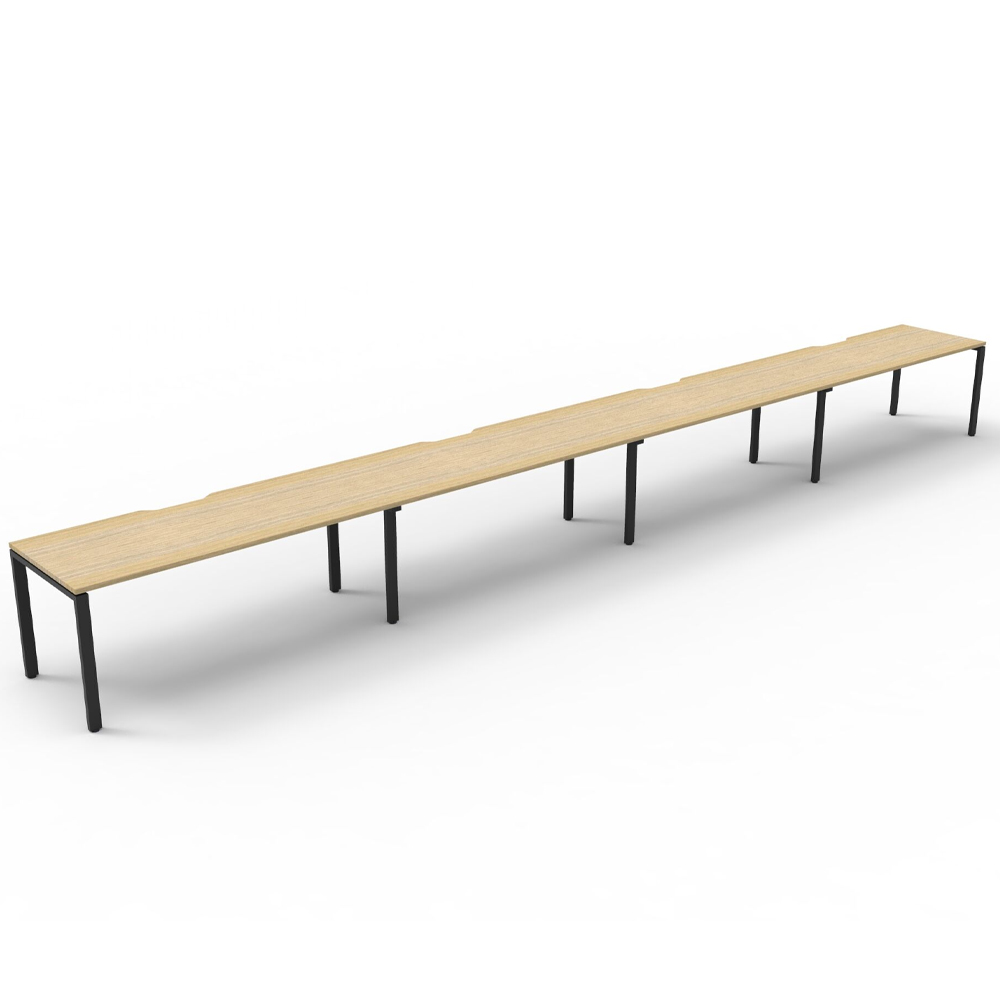
Open-plan offices remove walls and barriers, creating a shared workspace where employees work side-by-side.
Best suited for:
- Creative teams
- Start-ups and collaborative industries
- Fast-paced environments
Advantages:
- Encourages teamwork and communication
- More cost-effective and space-efficient
- Easier to reconfigure as teams grow
Disadvantages:
- Noise and distractions can reduce focus
- Limited privacy for calls or deep work
- Can impact productivity if not managed properly
While open-plan layouts are popular, they require careful design to balance collaboration with focus.
4. Team-Based Office Layout
A team-based layout groups employees by department or function into shared zones or workstation clusters.
Best suited for:
- Collaborative teams (marketing, sales, project teams)
- Businesses with structured departments
Advantages:
- Improves communication within teams
- Reduces unnecessary interruptions from other departments
- Supports project-based workflows
Disadvantages:
- Can create silos between departments
- Still requires planning to manage noise and space
This layout is a strong option for businesses that rely on close team collaboration.
5. Hybrid Office Layout (Modern Approach)
- Space. The size and style of cubicle used in this layout is crucial, as many employers make the mistake of using spaces that are too small. This negates many of the benefits of the cubicle design, leaving employees feeling stifled and reducing productivity.
- Discomfort. The cubicle office layout is typically the least conducive to natural light and airflow. Individual offices almost always have windows, and open offices by nature are great for these environmental factors, but cubicles can feel suffocating and cut-off.
- Aesthetics. Cubicle office layouts are hard to design
without looking clinical and borderline depressing. From an aesthetic standpoint,
cubicles have largely gone out of fashion.
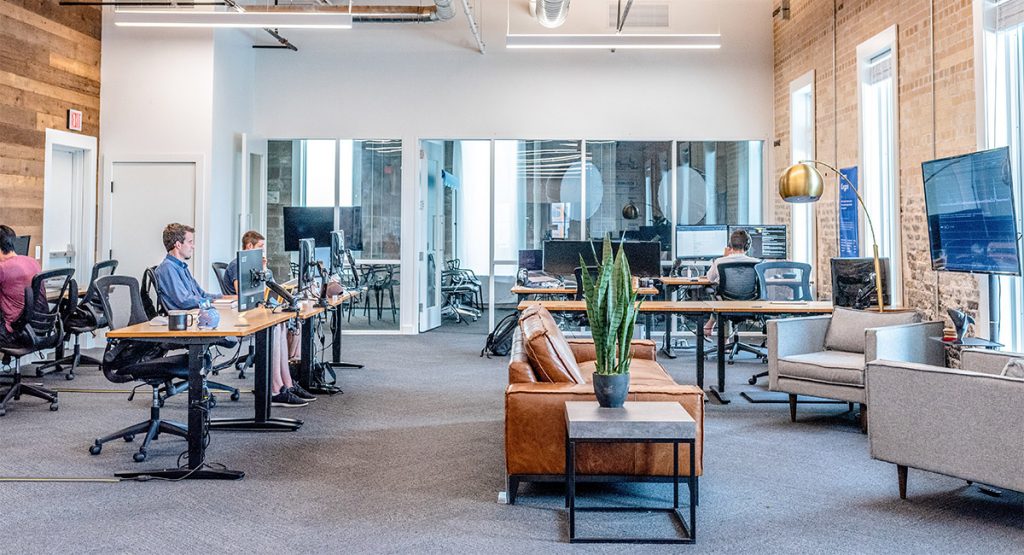
6. Co-Working Office Layout
Co-working spaces are shared environments where individuals or businesses rent desks or work areas.
Best suited for:
- Freelancers and small businesses
- Start-ups and remote teams
Advantages:
- Cost-effective and flexible
- Access to shared facilities and networking opportunities
- Minimal setup required
Disadvantages:
- Limited privacy and security
- Less control over environment and branding
This layout is ideal for businesses that need flexibility without long-term commitments.
How to Choose the Right Office Layout?
There is no one-size-fits-all solution. The best office layout depends on your:
- Team size and structure
- Type of work being performed
- Need for collaboration vs focus
- Available space and budget
- Future growth plans
Modern office design increasingly focuses on flexibility, ergonomics, and employee experience, rather than rigid layouts.
The Future of Office Layout Design
Workplace design is evolving rapidly, with businesses moving toward:
- Flexible and modular workspaces
- Activity-based working environments
- Ergonomic and wellbeing-focused design
- Hybrid office models
A well-designed layout can significantly improve productivity, employee satisfaction, and overall business performance.
Choosing the right office layout is a strategic decision that impacts how your team works every day. Whether you opt for a traditional setup, open-plan environment, or hybrid workspace, the key is to create a layout that supports productivity, collaboration, and long-term flexibility. Investing in the right office design doesn’t just improve how your space looks – it transforms how your business operates.


Good lighting is one of the most important elements of a well-designed office. Your space can be equipped with the most unique furniture, the best color combinations and chic desks, but none of that will truly shine unless you have the right lighting.
You’ve written it so nicely, and you’ve come up with some great ideas. This is a fantastic post!