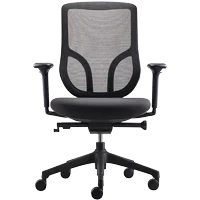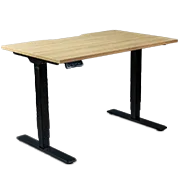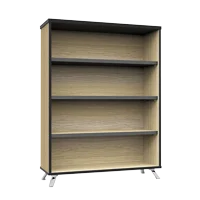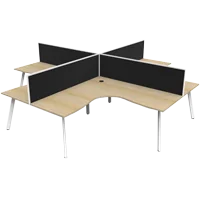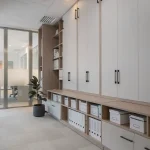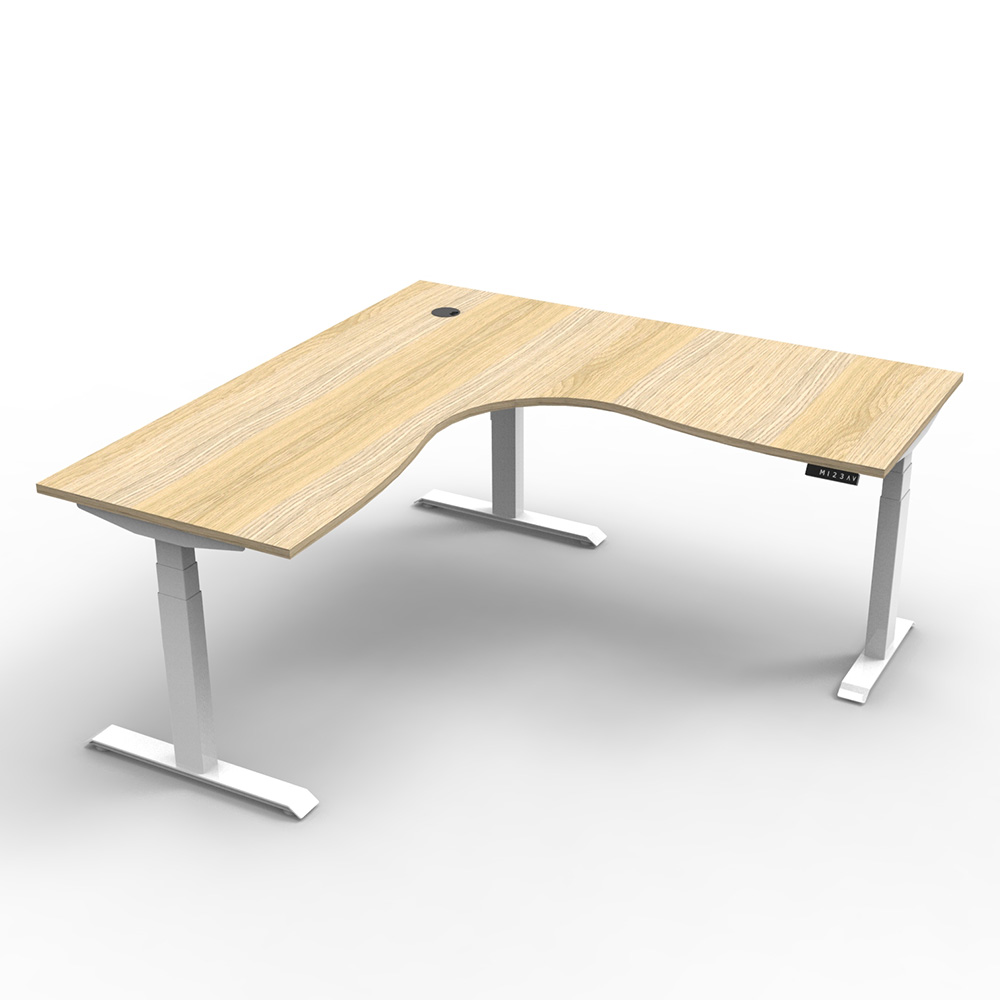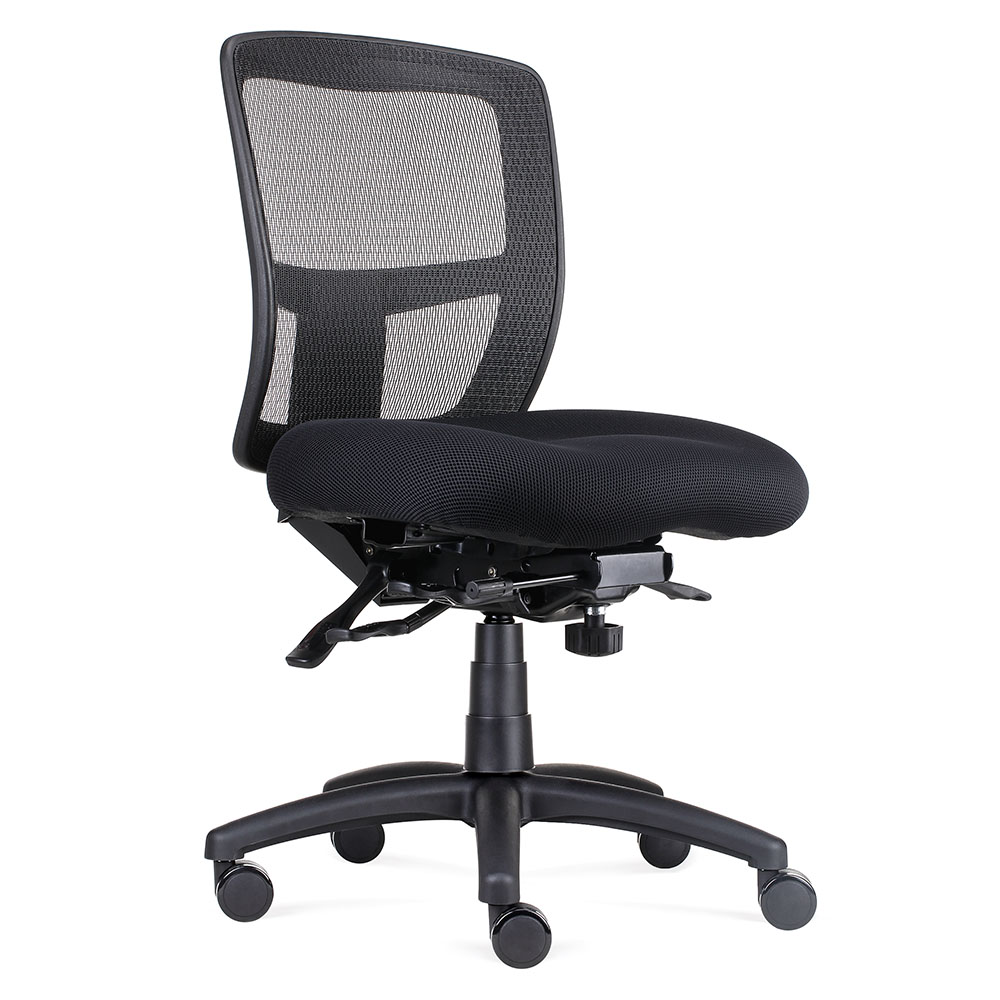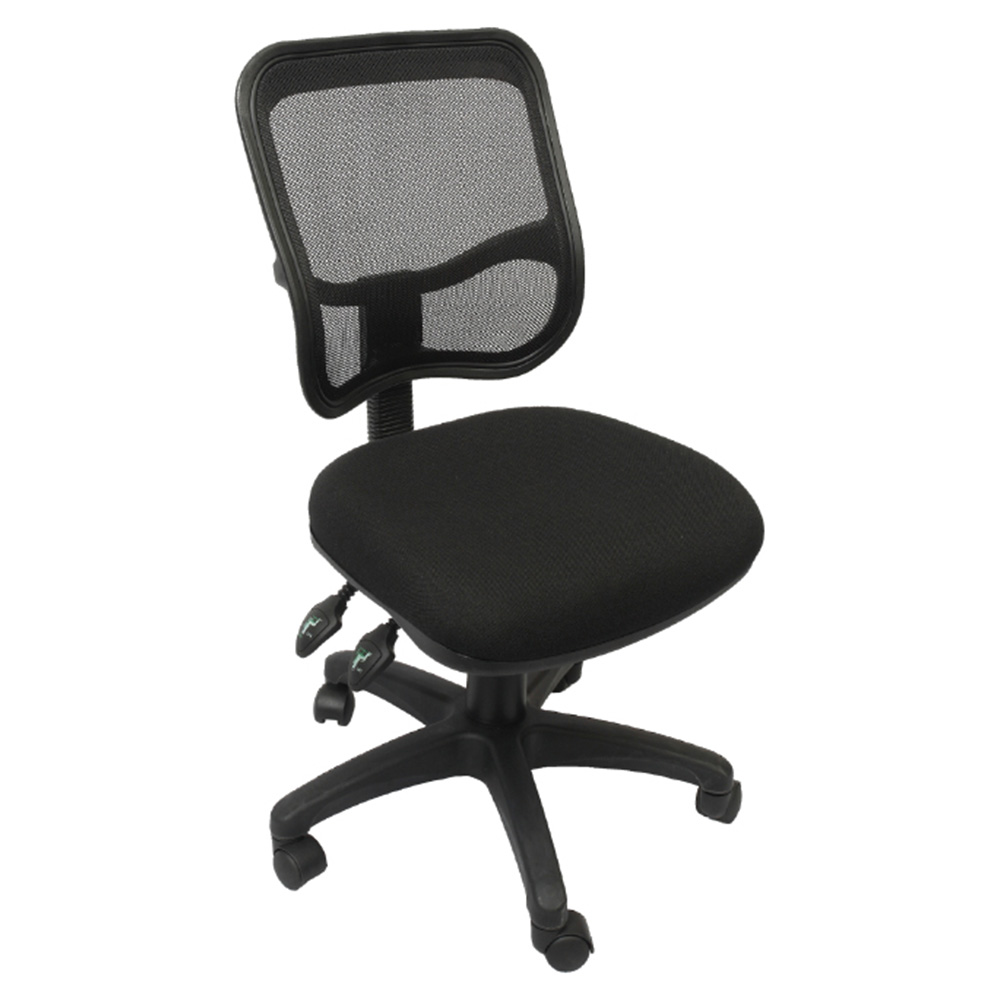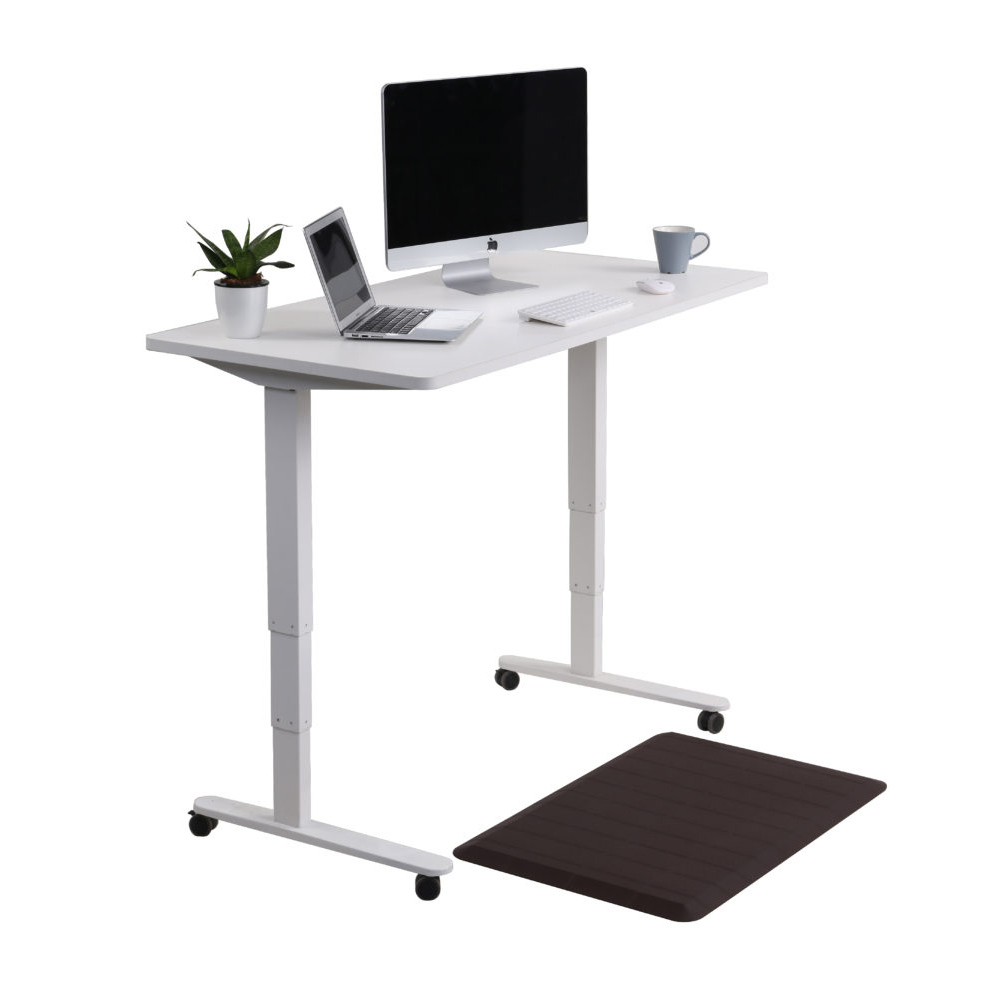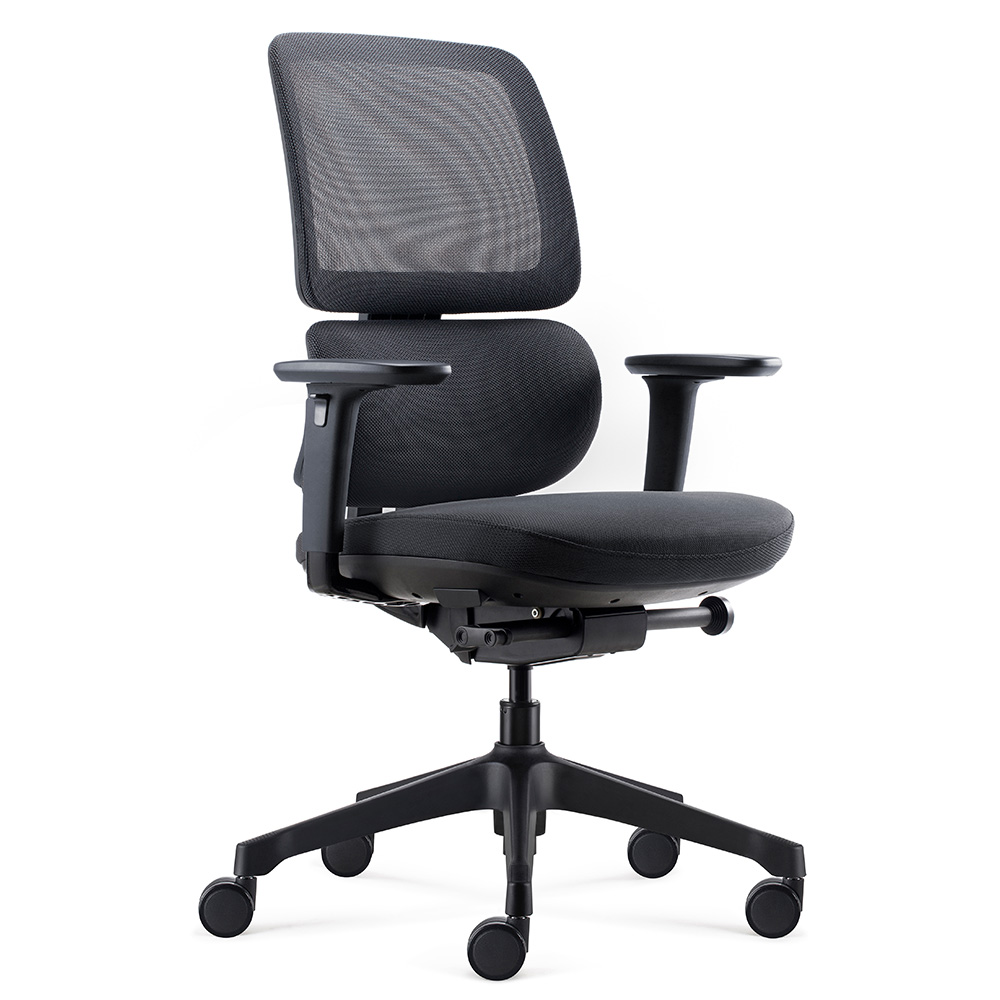

Ergonomics is all about designing a workspace that fits the user, helping employees work comfortably, efficiently, and safely throughout the day. One of the most important ways to maximise ergonomics is by investing in adjustable furniture. Workstations should be designed to suit different body types and working styles, with chairs and desks that can be customised to the individual. Adjustable seating with proper lumbar support, along with desks set at the correct height, helps maintain natural posture and reduces strain on the body. This flexibility allows employees to work without discomfort, which can significantly reduce fatigue and improve overall performance.
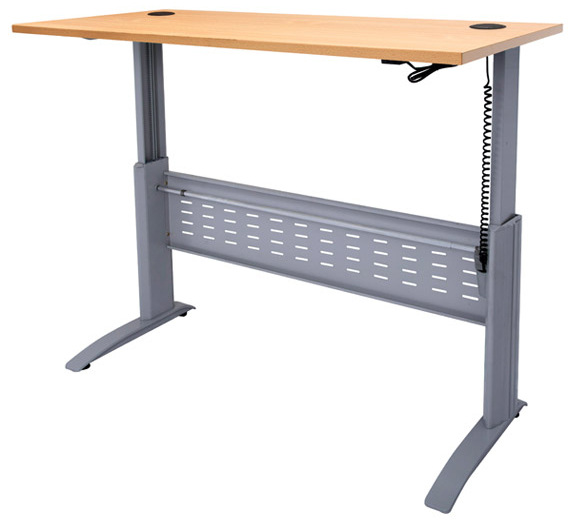
Creating an ergonomic workplace is one of the most effective ways to improve productivity, reduce injury risk, and support long-term employee wellbeing. As businesses continue to optimise workplace performance, demand for ergonomic office chairs, adjustable desks, and complete workplace solutions continues to grow — particularly as organisations invest in full office fitouts designed to improve efficiency, comfort, and workflow outcomes.
Ergonomics focuses on designing a workspace that fits the user, allowing employees to work comfortably, efficiently, and safely throughout the day. A well-designed setup reduces strain, improves posture, and enhances overall performance across all modern commercial and home office environments.
1. One of the most important ways to maximise workplace ergonomics is by investing in adjustable furniture. High-quality seating and height-adjustable desks allow users to tailor their workstation to their body type, improving comfort and reducing fatigue during long working hours. Commercial-grade ergonomic office chairs remain one of the highest-impact investments for workplace performance and injury prevention.
2. Proper posture and positioning are essential for reducing workplace strain. Ideally, feet should sit flat on the floor, knees and elbows should remain at approximately 90 degrees, and monitors should be positioned at eye level to minimise neck and shoulder tension over long periods of desk-based work.
3. Encouraging movement throughout the day is critical. Remaining in a static seated or standing position for long periods can lead to stiffness and discomfort. Alternating between sitting and standing using standing desks helps improve circulation, reduce fatigue, and support sustained productivity across the workday.
4. An organised workspace significantly improves efficiency. Frequently used items should remain within easy reach to avoid unnecessary stretching or twisting. Proper workspace organisation is a key principle in modern workplace planning and is often integrated into structured ergonomic office layouts.
5. Lighting, airflow, and environmental comfort all play a key role in workplace ergonomics. A well-balanced workspace improves concentration, reduces eye strain, and contributes to a healthier and more productive working environment overall — particularly in open-plan or high-density office layouts.
6. Ergonomic accessories such as monitor arms, footrests, and keyboard positioning tools can further enhance workstation comfort. These small adjustments often make a significant difference in reducing repetitive strain injuries and are commonly used alongside ergonomic seating and sit-stand desk systems.
7. Investing in commercial-grade furniture ensures long-term durability and performance. High-quality office furniture is designed to withstand daily use while maintaining comfort and functionality, making it a core component of any long-term workplace strategy or commercial office fitout.
Improving workplace ergonomics is not about one major change, but a series of small, strategic adjustments that collectively create a healthier and more productive environment. Businesses that prioritise ergonomic design often see improved employee satisfaction, reduced discomfort, and increased overall efficiency.
Whether upgrading a home office or planning a full commercial workspace, investing in proper ergonomic solutions — including seating, desks, and full workspace planning — can significantly improve both comfort and performance over time.